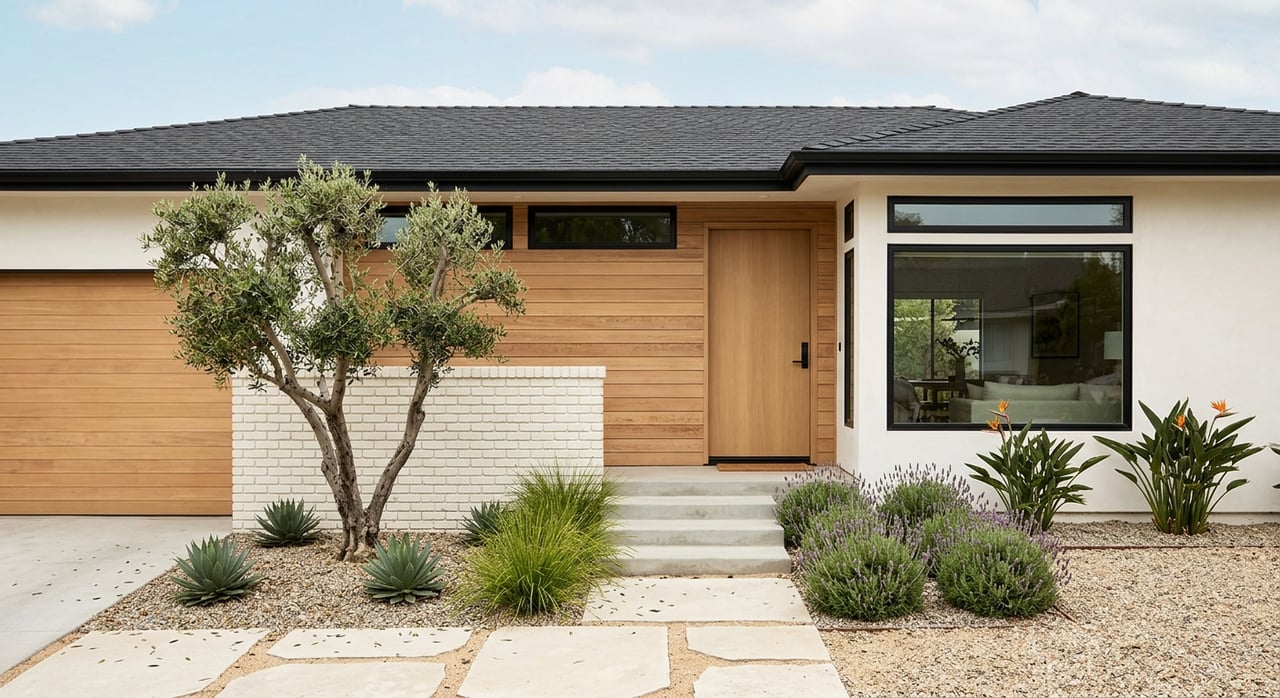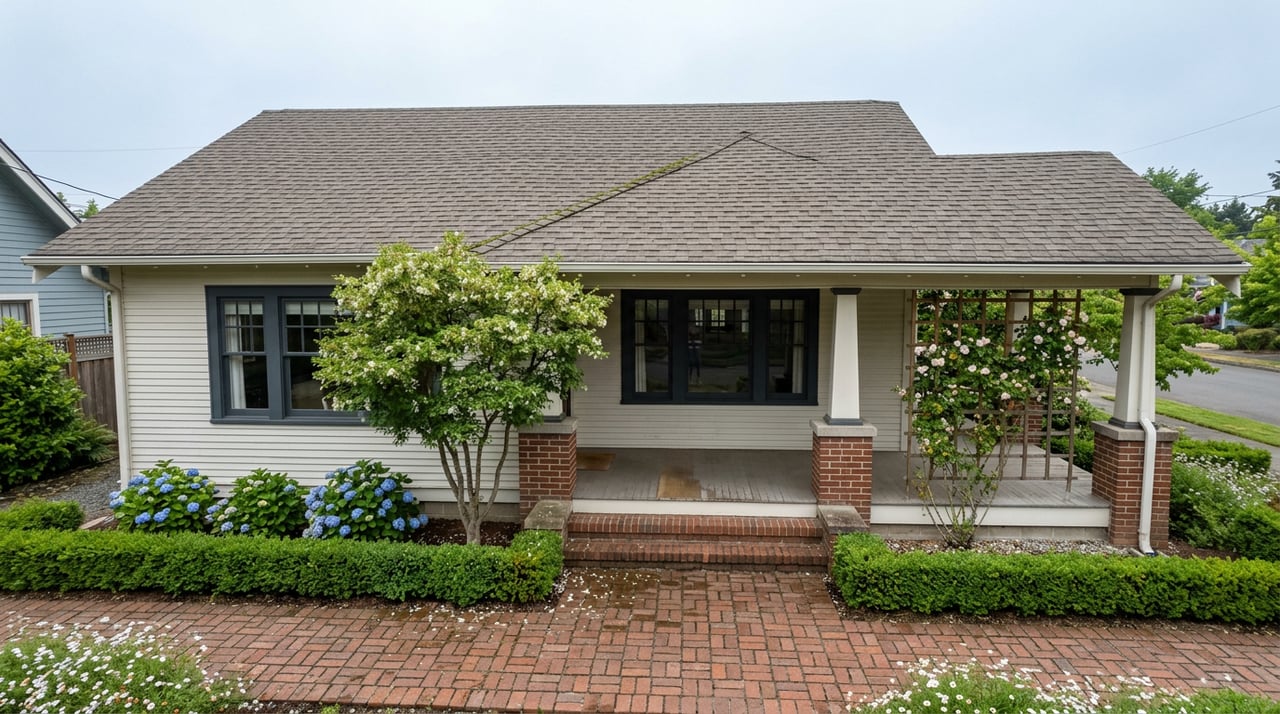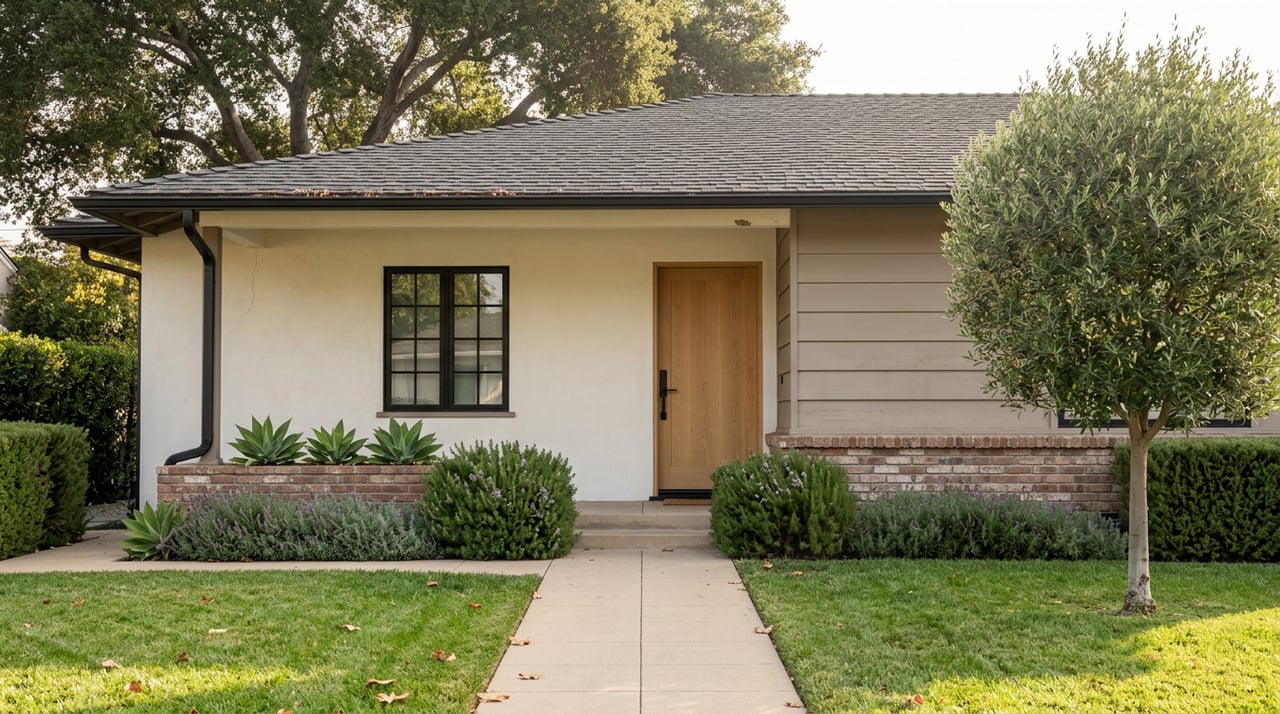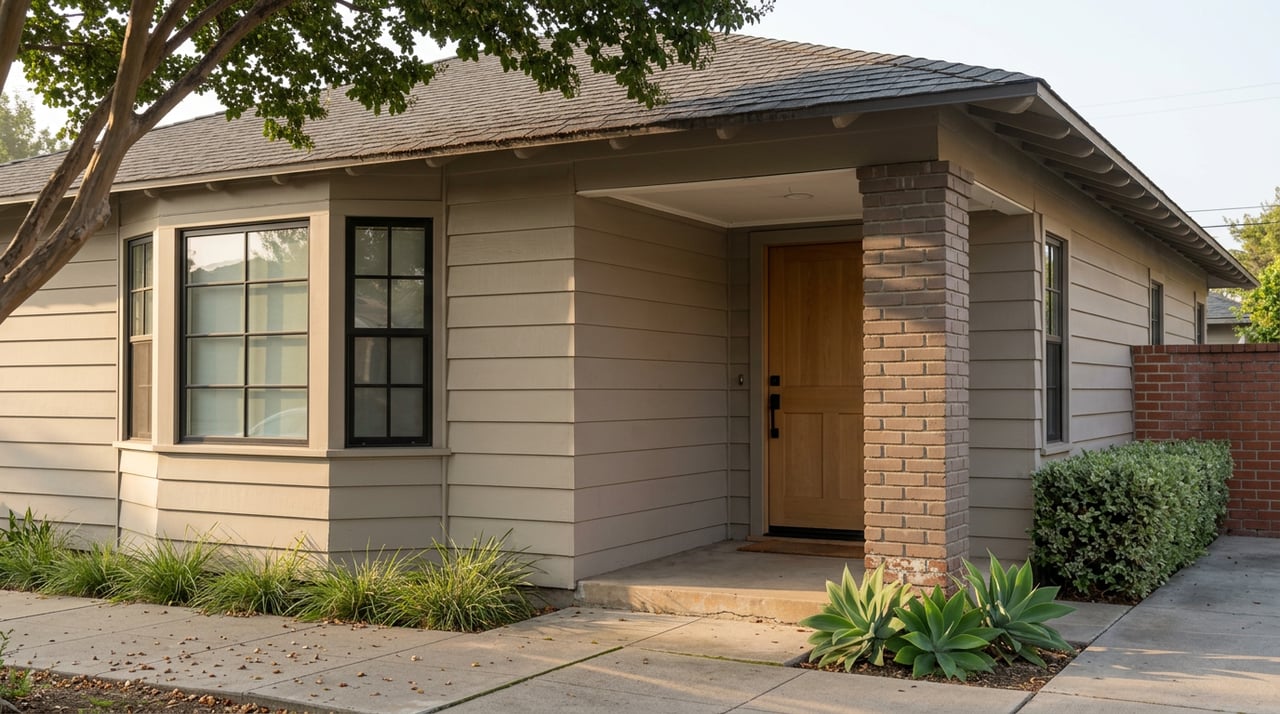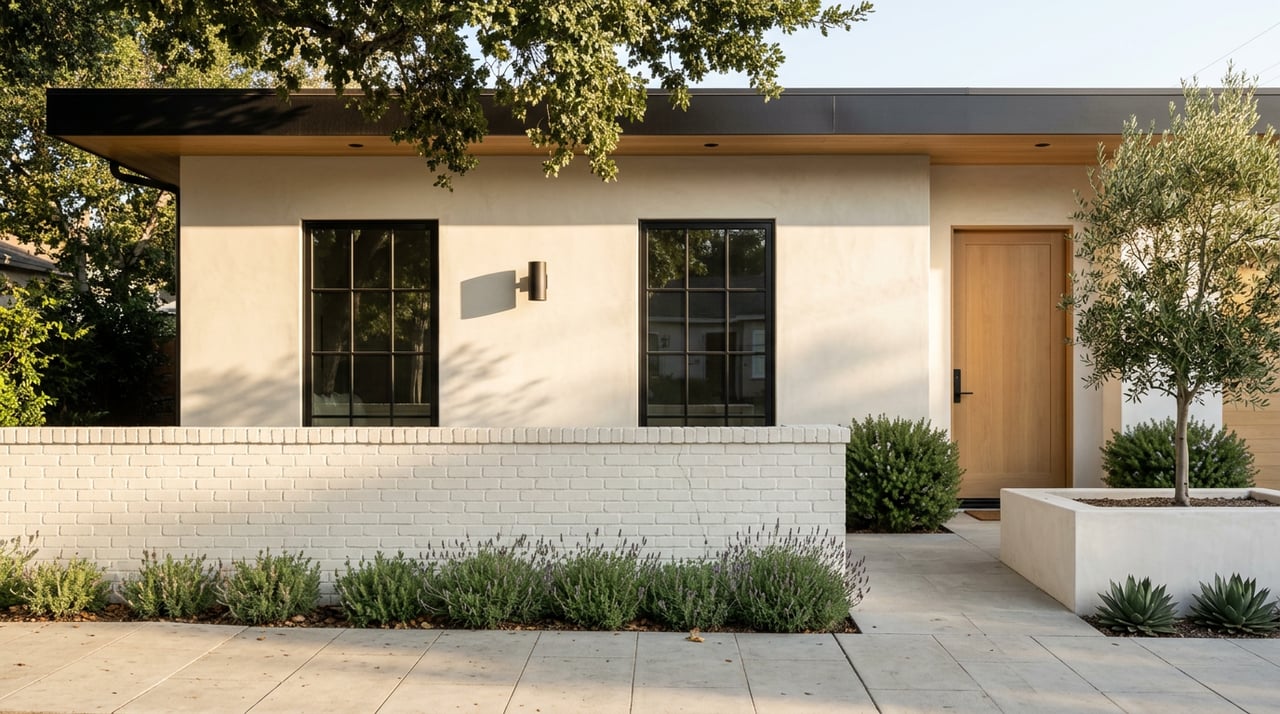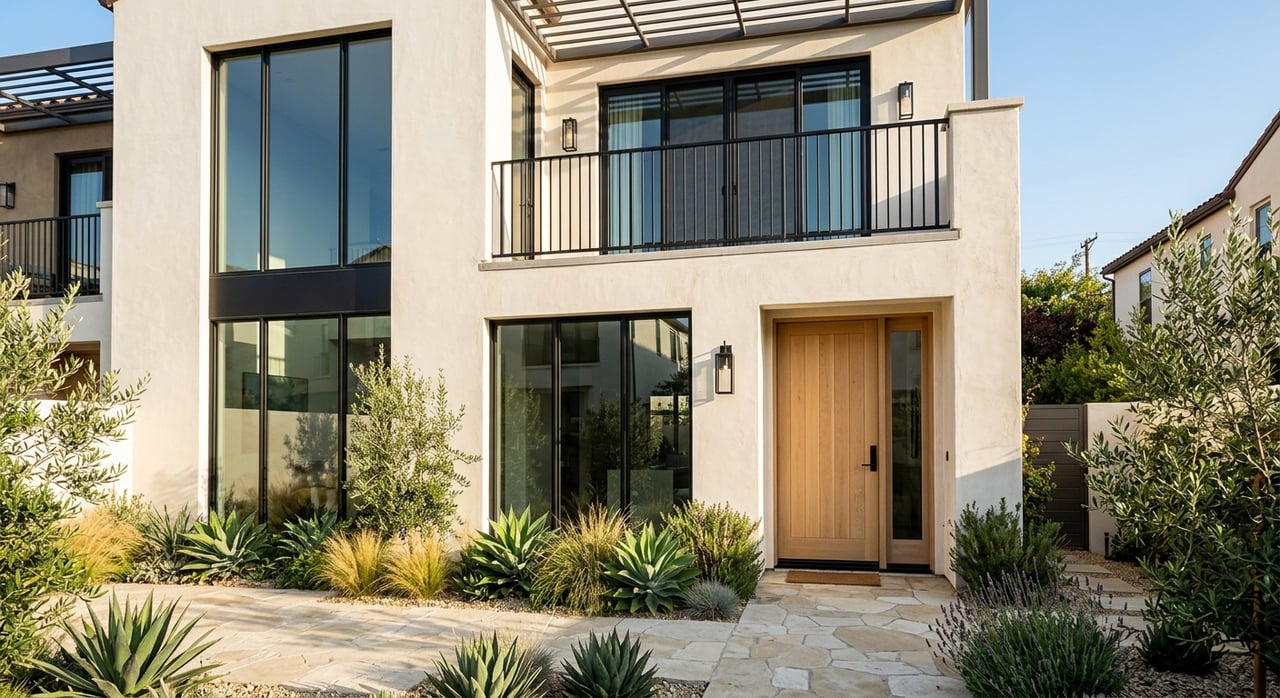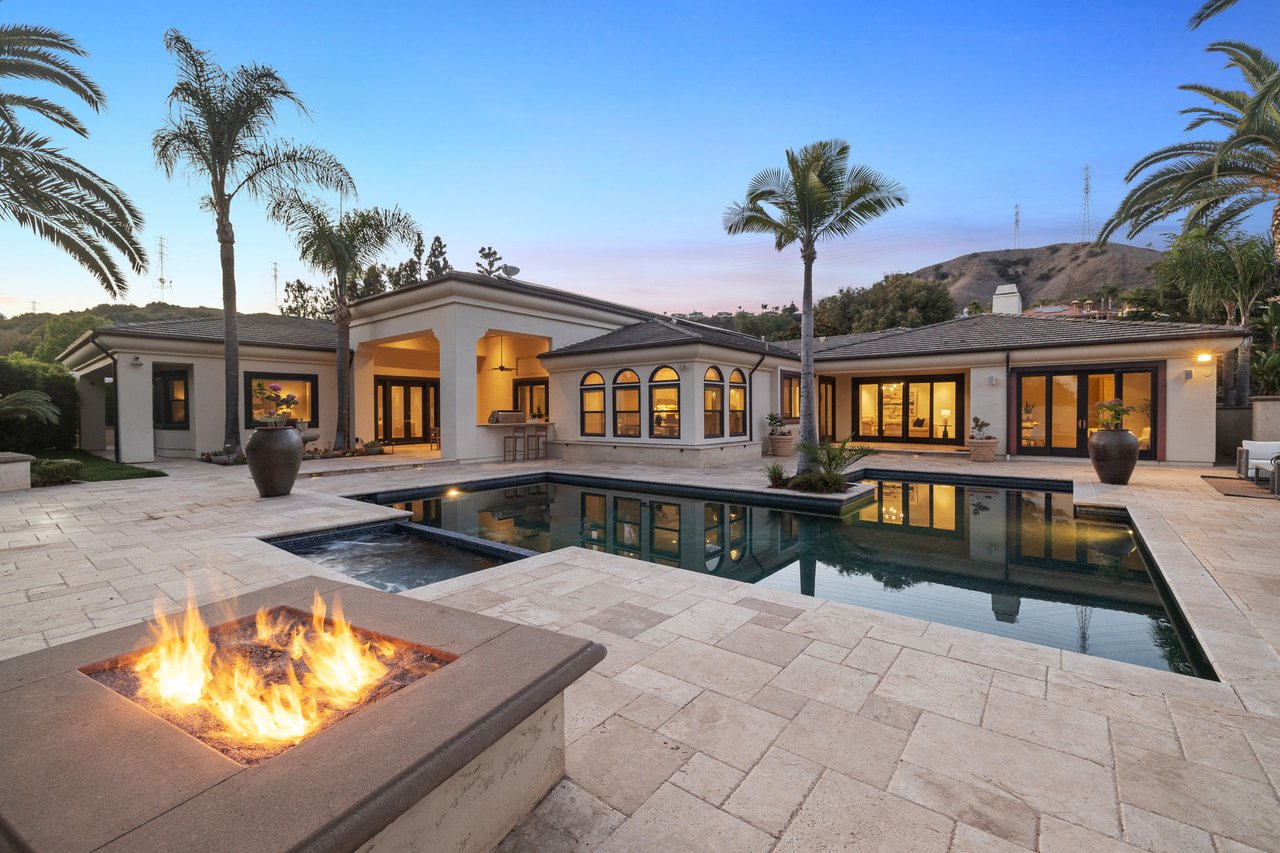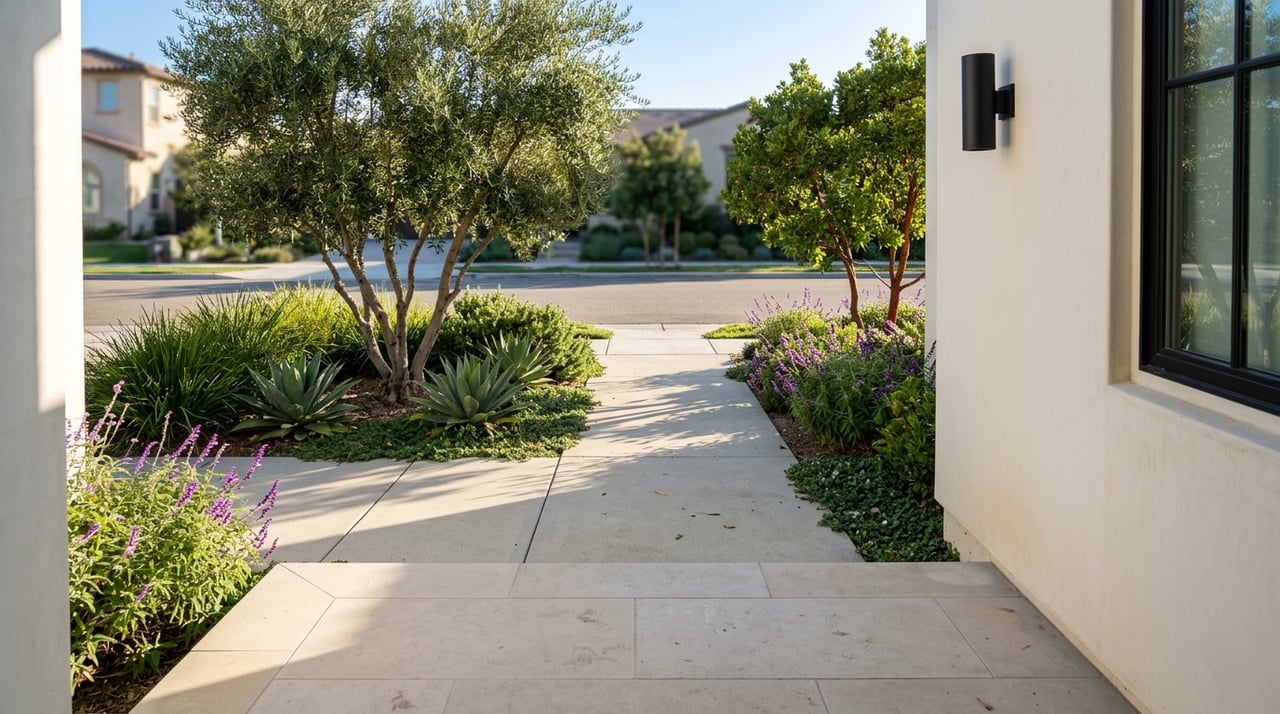
Thinking about buying in Villa Park and wondering how to spot the right home fast? Larger lots, custom builds, and low inventory can make this market feel different from the rest of Orange County. You want privacy, space, and a smart plan that helps you compete without taking on unnecessary risk. In this guide, you’ll learn what sets Villa Park apart, how to evaluate lots and improvements, where competition heats up by price band, and the inspections that matter most on bigger properties. Let’s dive in.
Why Villa Park stands out
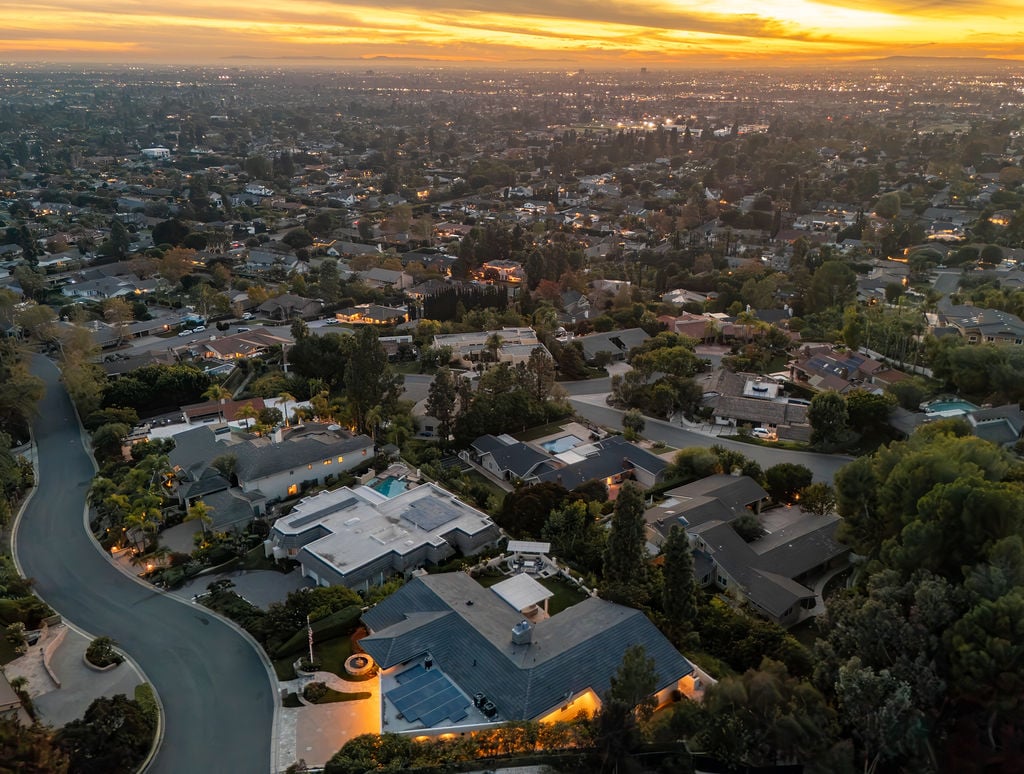
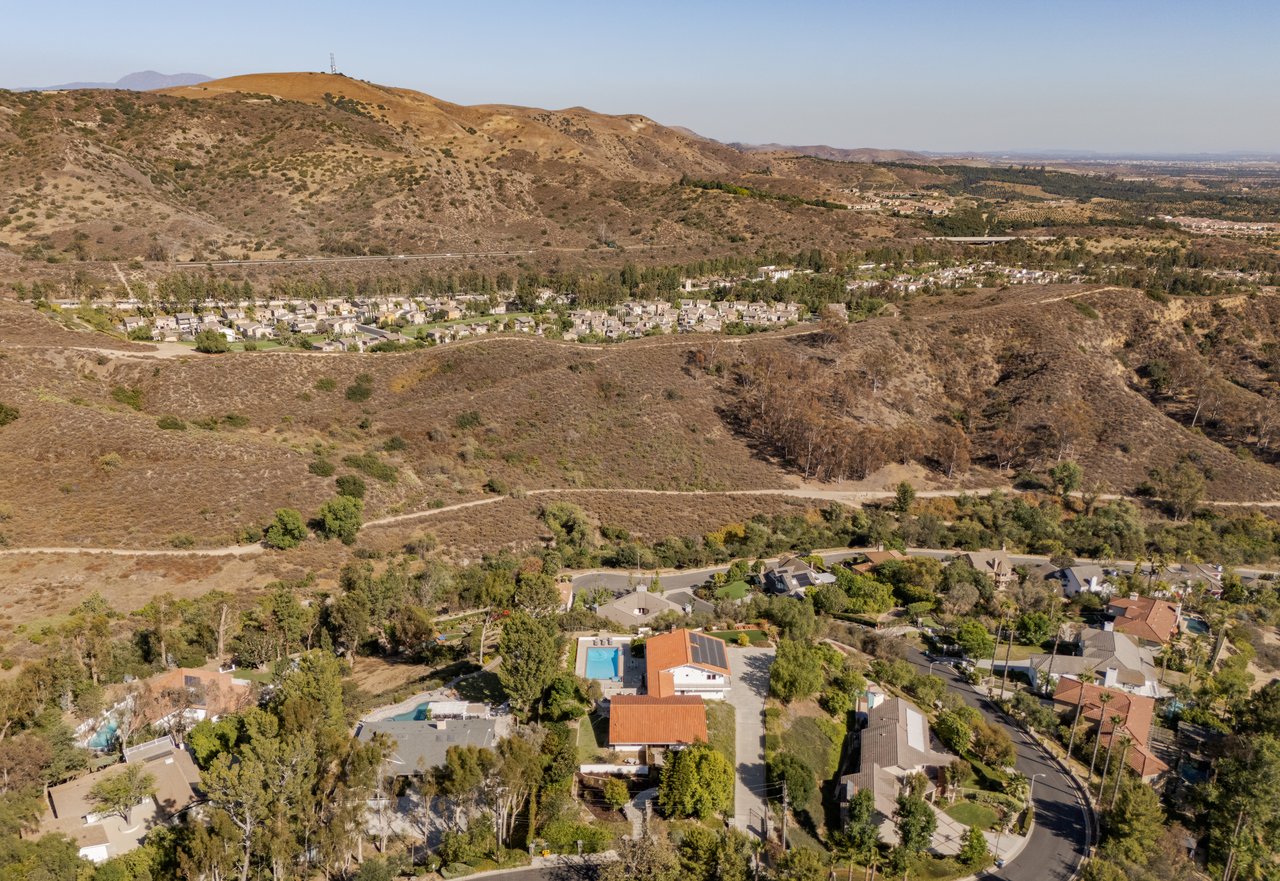
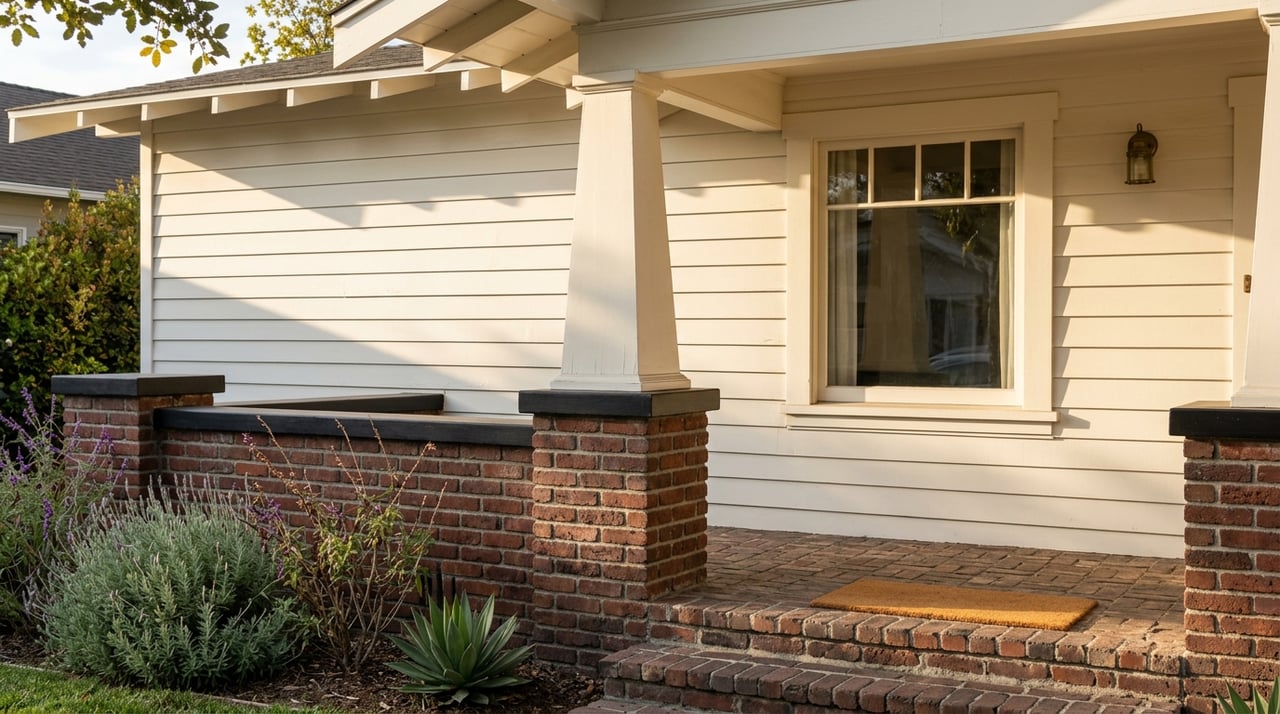
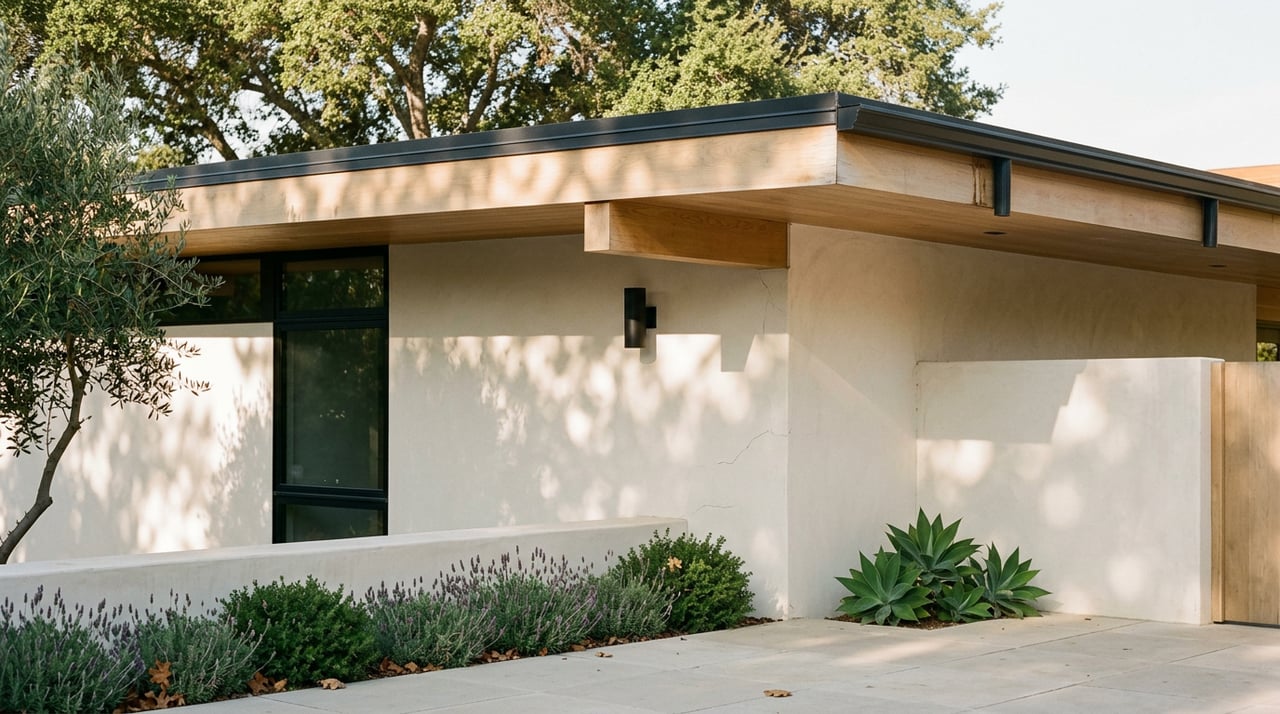
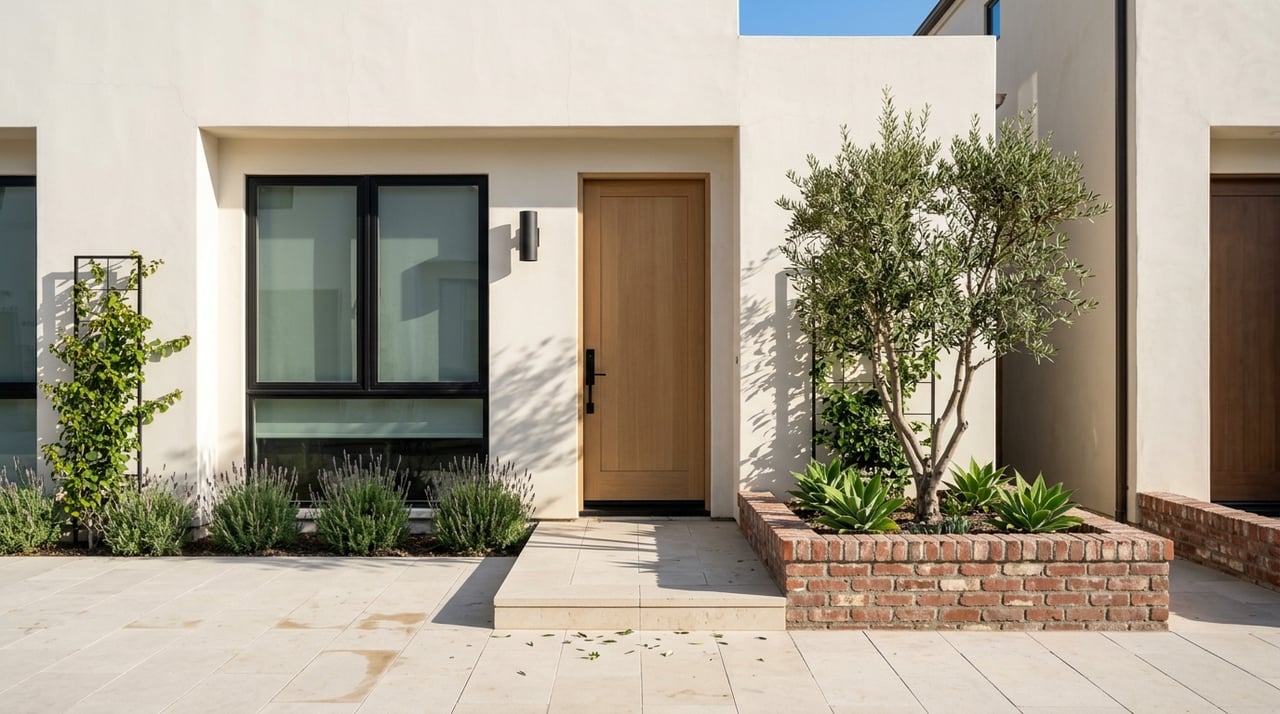
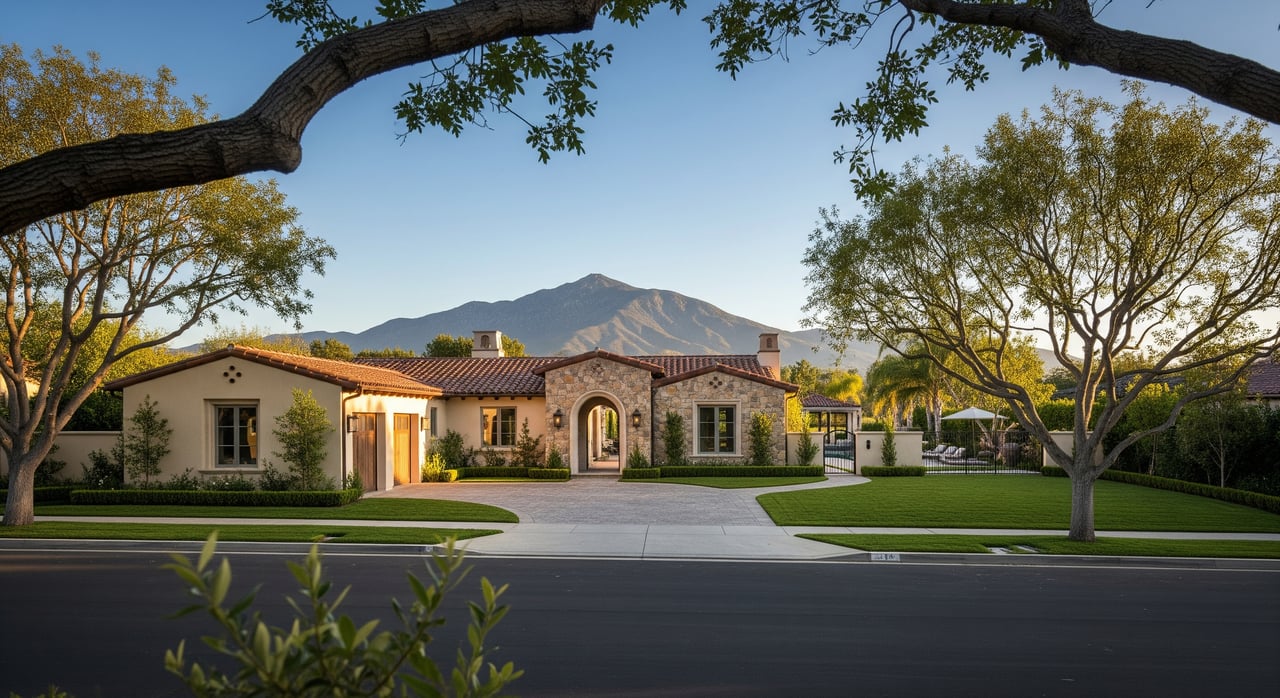
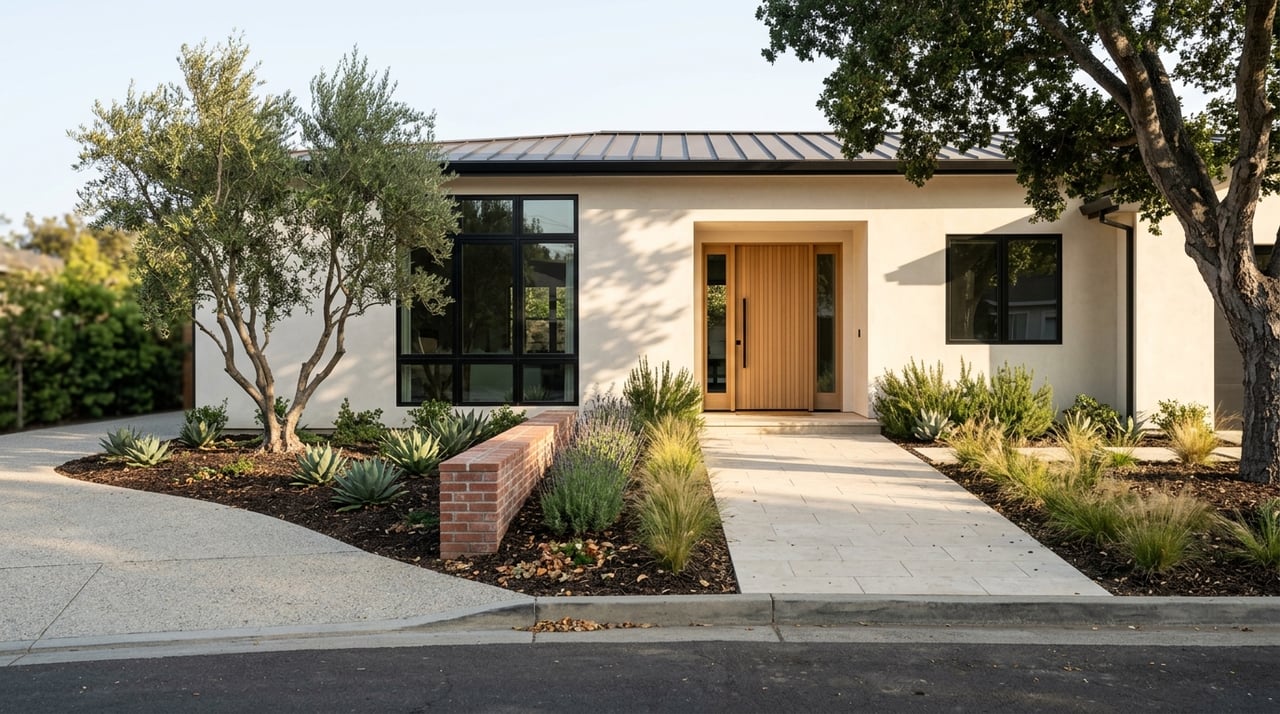
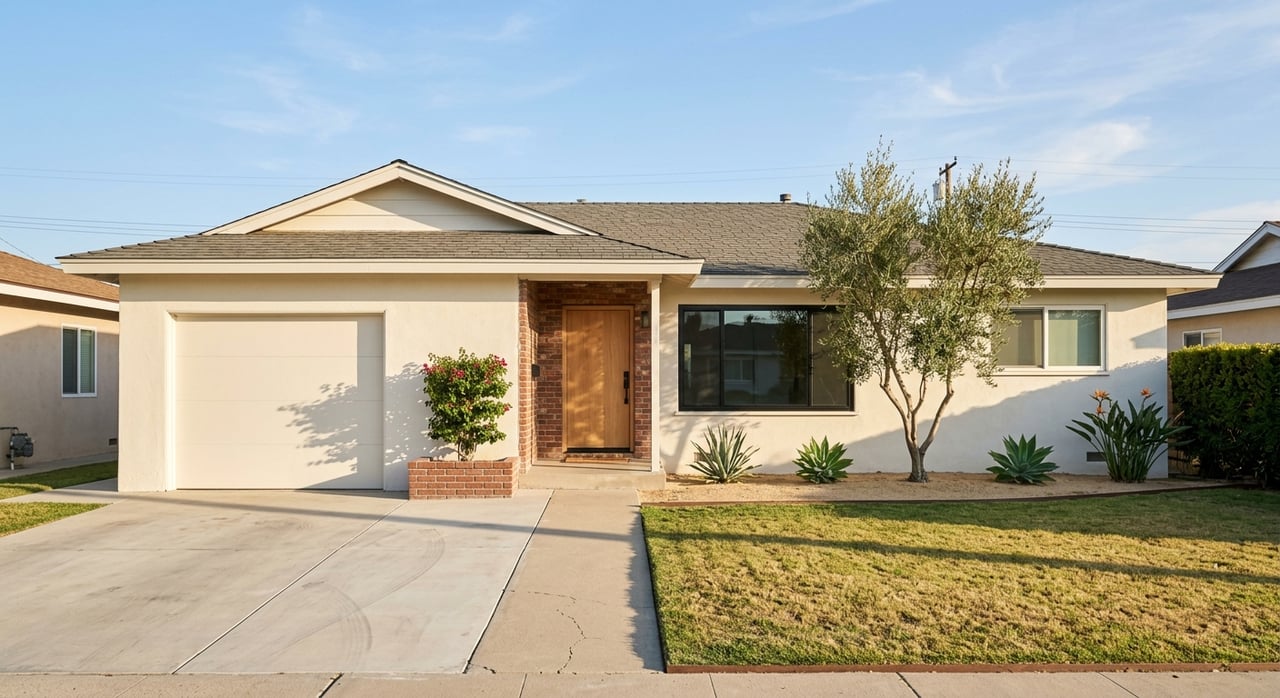
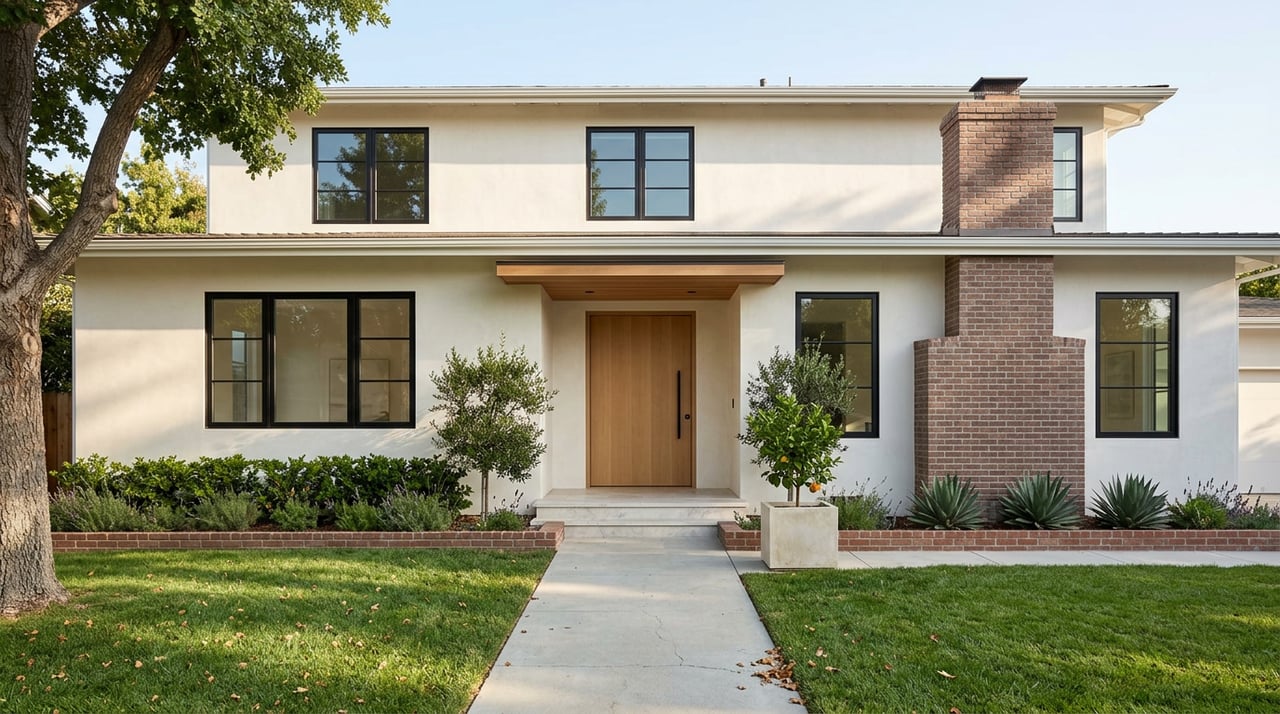
Villa Park is a small, mostly residential city known for larger-than-average lots and a quiet, suburban-rural feel. Most homes are single family, and many are ranch-style, mid-century, remodeled traditional, or fully custom estates. You will also see properties with outbuildings or accessory structures. Multi-family and attached housing are uncommon inside Villa Park proper.
When you tour homes here, you’ll likely notice:
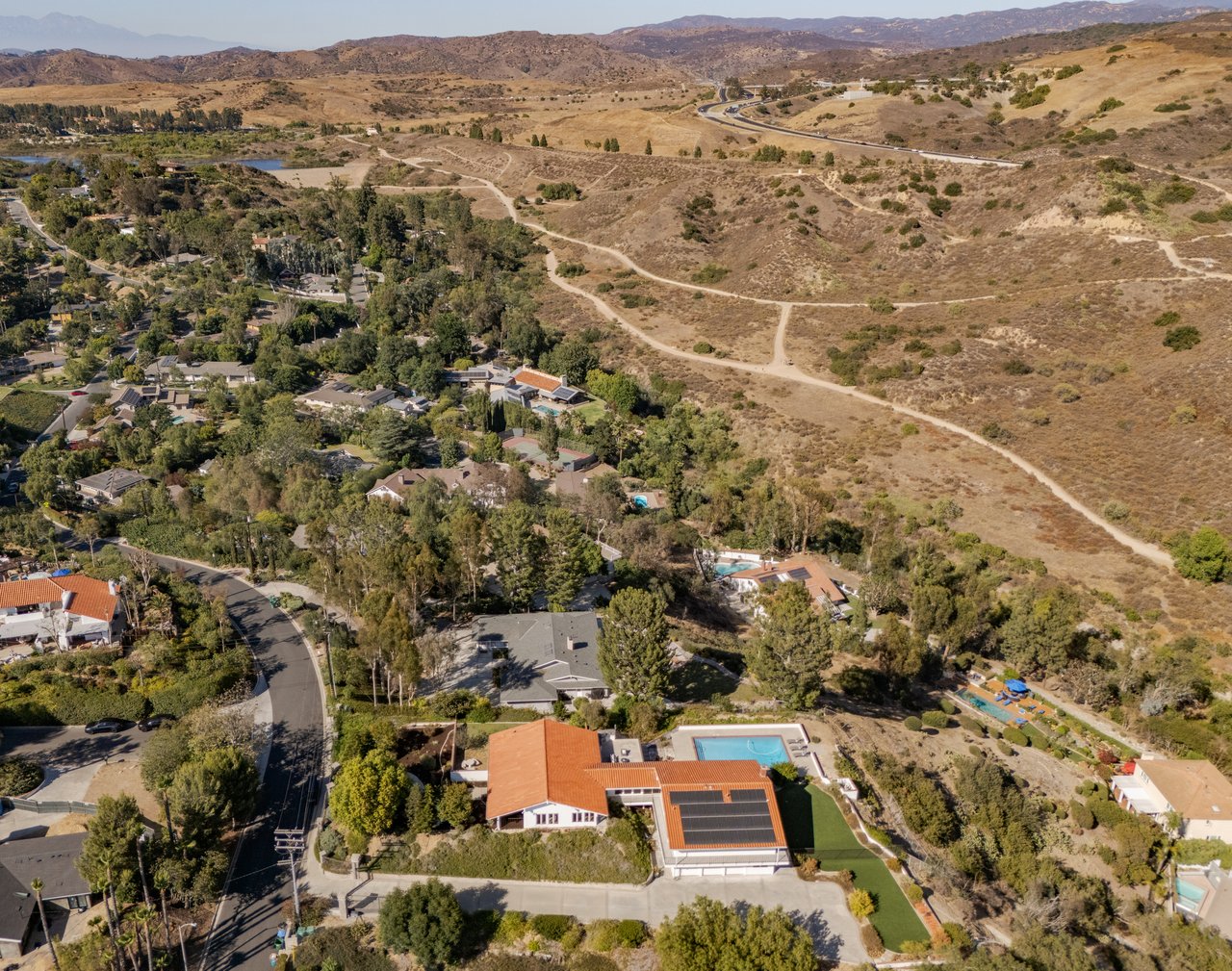
- Generous lot sizes, often a half acre, one acre, or more.
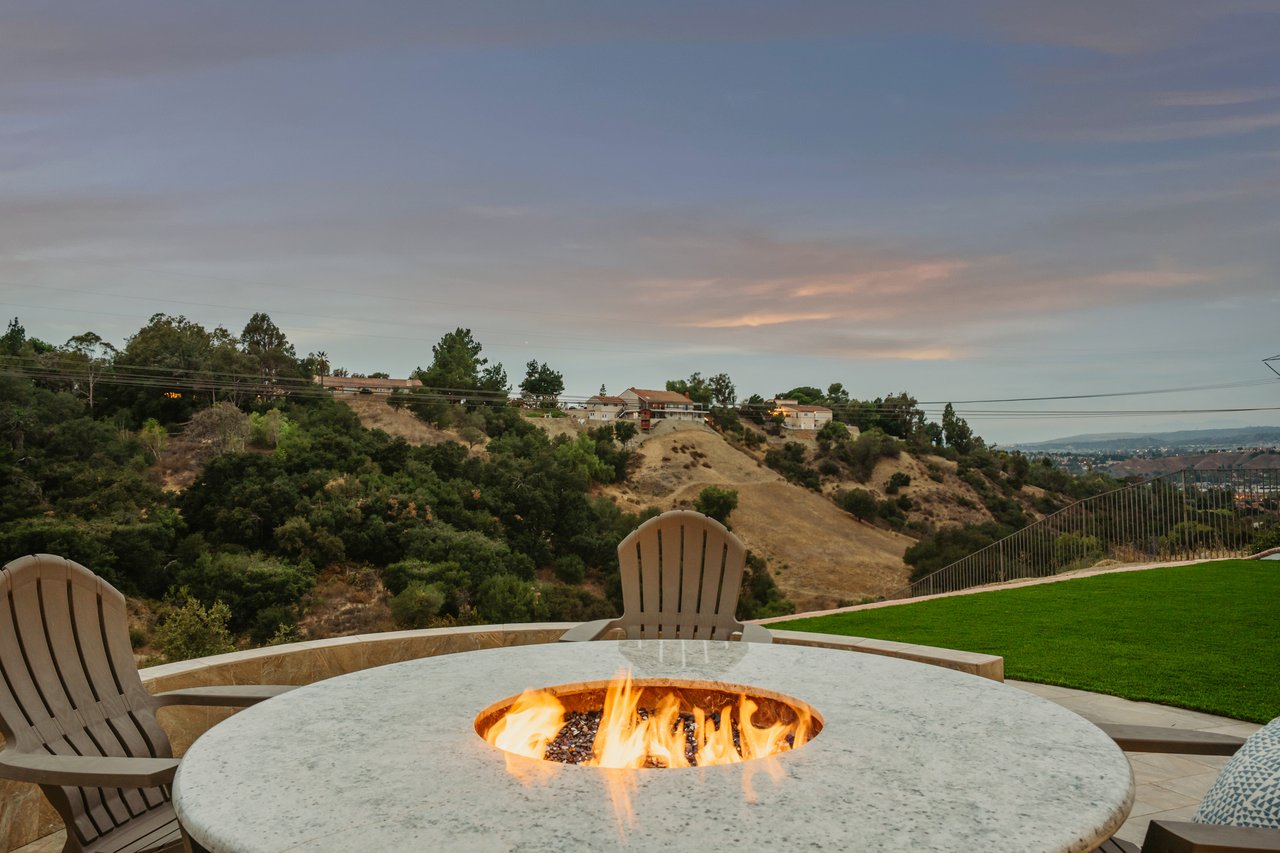
- Privacy buffers from mature landscaping and wider spacing between homes.
- Outbuildings and specialty uses, such as equestrian facilities, workshops, detached garages, or guest units.
- Private or narrow roads in certain pockets, with longer or shared driveways. Some areas have maintenance agreements.
- A mix of municipal utilities and, on select parcels, private systems like septic. Always verify on a property-by-property basis.
- Local zoning and Orange County regulations that guide allowable uses, ADUs, animals, and accessory structures.
For buyers, the draw is clear: space, privacy, and flexibility for projects. The tradeoff is that due diligence can be more detailed than in denser suburban neighborhoods.
How lot size affects value and upkeep
A big lot is not always the same as a big usable lot. A one-acre parcel can include slopes, setbacks, easements, or drainage areas that limit where you can build or add amenities. Pay attention to the usable and buildable area, not just the number on the listing.
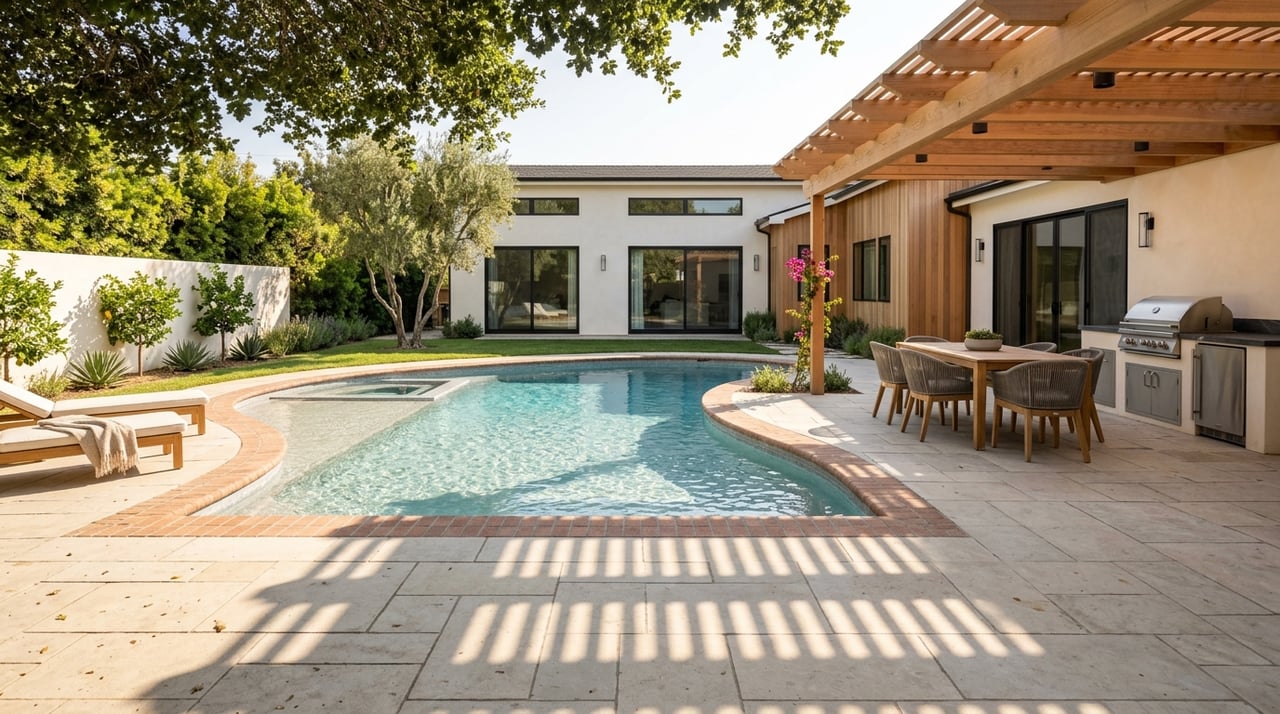
If you want to add a pool, patio, barn, or major landscaping, factor in grading, drainage, and permitting. Site improvements on larger or sloped lots can be significant in both cost and time. Mature trees are a benefit for shade and privacy, but they also add maintenance and potential hazards if not healthy. Plan for irrigation, trimming, and, when needed, professional arborist care.
Competition by price band
Inventory in Villa Park is typically limited compared to demand, which concentrates competition on well-priced homes. The level and type of competition often shifts by price band.
Entry to mid-range
Buyers in this band often target updated ranch homes or older homes on the smaller side of Villa Park’s lot sizes. You will compete on price and visible updates. Remodeling potential and lot utility can be major value drivers, so look closely at the footprint and what you can do over time.
Mid to upper range
Homes that blend 1 acre or more with modern finishes or recent renovations tend to draw multiple offers. In this band, you are competing on both price and terms. Quick escrow, clean financing, and straightforward contingencies can help your offer stand out.
Top-tier estates
Multi-acre custom estates or equestrian-capable properties are niche listings. There may be fewer bidders, but competition can be intense among qualified buyers. Sellers focus on proof of funds, strong pre-approvals, and the ability to close without surprises. Cash offers and well-structured financing carry weight here.
Appraisals and comps in Villa Park
Because Villa Park is small and many lots are unique, comparable sales can be limited. Appraisers may need to pull from nearby neighborhoods or adjust heavily for acreage and improvements. That can create challenges if you rely on conventional financing.
Another key point is that the value of acreage is not always linear. The incremental value of an additional half acre or acre depends on useability, access, topography, and improvements. A larger lot that is mostly slope or setback may not support the same value as one with more flat, buildable space.
If you expect appraisal risk, talk with your lender and agent ahead of time about strategies. This can include using strong local comps, reviewing recent Villa Park sales in detail, and discussing whether you want to include appraisal-gap language within defined limits.
Timing and offer strategy
In a low-inventory market, well-qualified buyers who can move quickly have an advantage. Desirable listings can set short offer windows. Standard escrows in California are often 30 to 45 days, but complex properties with septic, wells, or unique title items may require more time.
Build a credible financing package
- Get a full lender pre-approval, not just a pre-qualification. Strong documentation builds credibility.
- Choose a lender familiar with larger-lot and custom properties. Appraisal experience matters.
- Have updated proof of funds ready for down payment and reserves.
Price and terms that win
- Consider a higher earnest money deposit to show commitment.
- Use escalation clauses carefully, with clear caps and conditions.
- If you choose appraisal-gap coverage, set a firm limit that matches your comfort level and liquidity.
Protect yourself without weakening your offer
- Instead of waiving inspections, shorten timelines or arrange pre-inspections when possible.
- Clarify which seller credits or repairs you might request and which you will handle after closing.
- Keep the contract clean. Avoid unusual contingencies that create uncertainty for the seller.
Fair housing and ethical offers
Your offer should be based on objective terms like price, timing, and contingencies. Federal and California fair housing laws prohibit discrimination based on protected classes, including race, color, religion, sex, national origin, familial status, disability, and other categories under state law. Avoid any language or behavior that could be discriminatory. Do not request or share sensitive medical or disability information, and do not make decisions that limit outreach or showings based on protected characteristics.
Touring large-lot homes: what to check
Large-lot and custom properties reward careful, systematic evaluation. Use the following lists to focus your time and avoid surprises later.
High-priority inspections and records
- Property lines and survey: Order an up-to-date ALTA or land survey to confirm boundaries. Fences are not always accurate indicators.
- Topography and usable area: Note slopes, retaining walls, and erosion risks. Identify flat, buildable areas for future projects.
- Easements and rights-of-way: Check title and county records for utility, access, drainage, or conservation easements.
- Drainage and flood risk: Review local floodplain maps and walk the site to find water flow paths. Permits are often required for grading changes.
- Soil and geotechnical: For steep or unusual sites, get a geotechnical report to evaluate stability and suitability for additions.
- Vegetation and tree health: Consider an arborist evaluation for large or mature trees that may affect safety or utilities.
- Wildfire considerations: Some parcels have elevated brush or fire risk. Confirm defensible space and local clearance requirements.
- Septic and well systems: If present, arrange licensed inspections and water testing. Request maintenance and permit records.
- Utilities and service lines: Confirm gas, electricity, water, sewer, and internet locations. Long driveways can require added utility runs.
- Title and access: Verify legal access via public or private roads and any maintenance agreements for shared driveways.
- Permits and unpermitted work: Check city and county permit history for additions, barns, pools, and ADUs.
- Pest and WDO: Schedule termite and wood-destroying organism inspections, especially for older structures.
- Pools and irrigation: Inspect pool equipment, irrigation controllers, and related systems for condition and compliance.
- Environmental hazards: If prior uses raise questions, consult county records for potential contamination.
On-site preview tips
- Walk the full lot, not just the yard near the house. Slope changes and blind spots can be easy to miss.
- Bring a tape measure and take photos. Note distances to fences, structures, and slopes.
- Observe solar orientation and wind. Sun and shade patterns affect future ADUs, gardens, and outdoor living.
- Ask the listing agent for documentation: recent surveys, septic or well records, tree maintenance, and any road or HOA agreements.
- Visit at different times of day to understand traffic, noise, and privacy.
Who you need on your team
Villa Park properties benefit from a strong local team that understands larger lots, custom construction, and unique title or access items. Professionals to consider include:
- A Villa Park–area real estate agent with local comps experience.
- A local lender who understands appraisal challenges on low-turnover, large-lot homes.
- A licensed surveyor for boundaries and easements.
- A civil or geotechnical engineer for slope and drainage analysis.
- An arborist for tree assessments and planning.
- Licensed septic and well inspectors when applicable.
- A thorough home inspector and a pest or WDO inspector.
- A title company experienced with private roads and unusual easements.
- An architect or landscape architect if you plan major site changes.
- An equine specialist if you are evaluating stalls, paddocks, or riding infrastructure.
If you care about design quality and future improvements, a design-savvy agent can help you evaluate the site’s potential from day one. That includes realistic budgets, permit pathways, and phasing plans that match your goals.
Your next step
Buying in Villa Park is about more than finding a house. It is about choosing the right lot, confirming what you can build or improve, and writing an offer that is both competitive and safe. Prepare financing early, keep your due diligence checklist handy, and partner with local pros who know how to navigate larger parcels, custom work, and limited comps.
If you want a guided path from first tour to successful close, including design-forward insight on lot use, renovations, and resale strategy, reach out to Cindi Karamzadeh Real Estate + Design. Request a design-forward market consultation.
FAQs
Are there many houses for sale in Villa Park?
- Inventory tends to be low relative to demand, so rely on current MLS data and be ready to act quickly when the right home appears.
Do Villa Park homes often use private wells or septic systems?
- Some larger or more rural-feeling parcels may have private systems. Always verify through disclosures, county records, and specialized inspections.
How do appraisers value acreage in Villa Park?
- Appraisal depends on usable buildable land, lot characteristics, and recent nearby comps. Large or unique lots can complicate valuations.
How can I make a competitive offer without taking too much risk?
- Strengthen financing, consider a solid earnest deposit, and shorten inspection timelines instead of waiving protections. Set clear limits on any escalation or appraisal-gap language.
What inspections should I order for a 1+ acre property?
- Prioritize a survey, geotechnical and drainage review, arborist report, septic and well checks if present, and a permit history review.
Are there rules about animals or stables in Villa Park?
- Local zoning, municipal codes, and any CC&Rs govern animal keeping and accessory structures. Confirm specifics with the city or county before you proceed.