Craving more space and a slower pace without leaving central Orange County? Villa Park gives you that tucked‑away feel many people want, while keeping you close to everyday conveniences in nearby cities. If you are exploring where to land for your next move or downsize, this guide will help you picture daily life, understand the tradeoffs, and decide if Villa Park fits your goals. Let’s dive in.
Villa Park at a glance
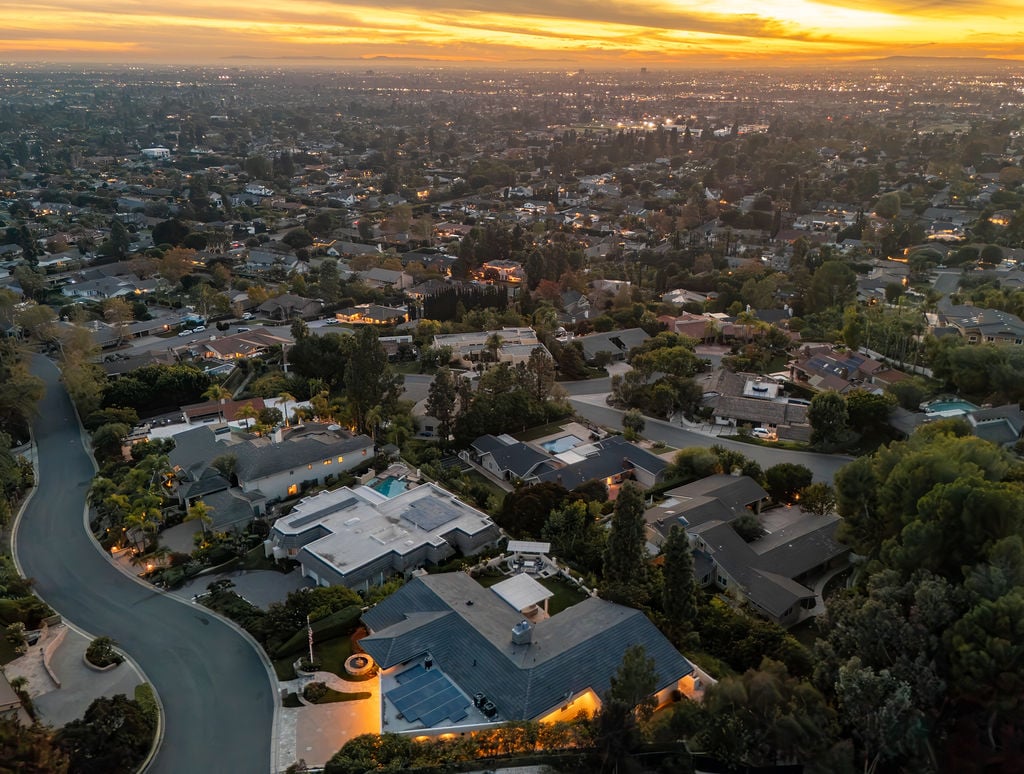
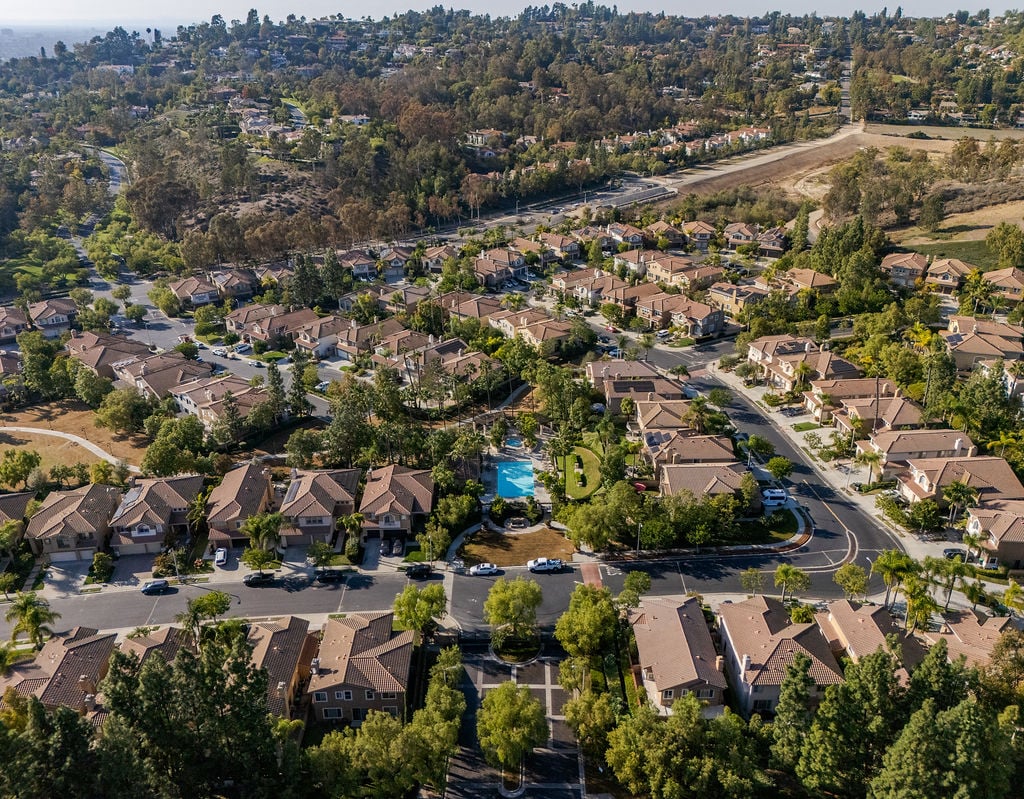
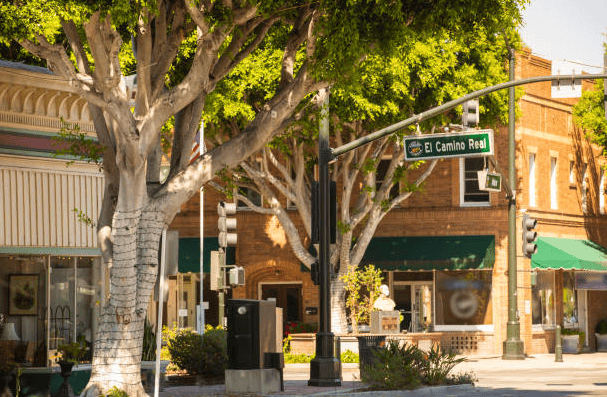
Villa Park is a small, low‑density city known for quiet residential streets and larger lots compared with many Orange County neighborhoods. You will see mostly single‑family homes, private yards, and a calm, neighborhood feel. The pace is slower, traffic is lighter on local streets, and the community identity centers on home life.
Inside the city, commercial development is limited. You will make short, easy drives to adjacent communities for larger shopping centers, dining, and services. Many residents like this balance, since the limited retail preserves a residential vibe while the region’s amenities remain close.
Homes, lots, neighborhoods
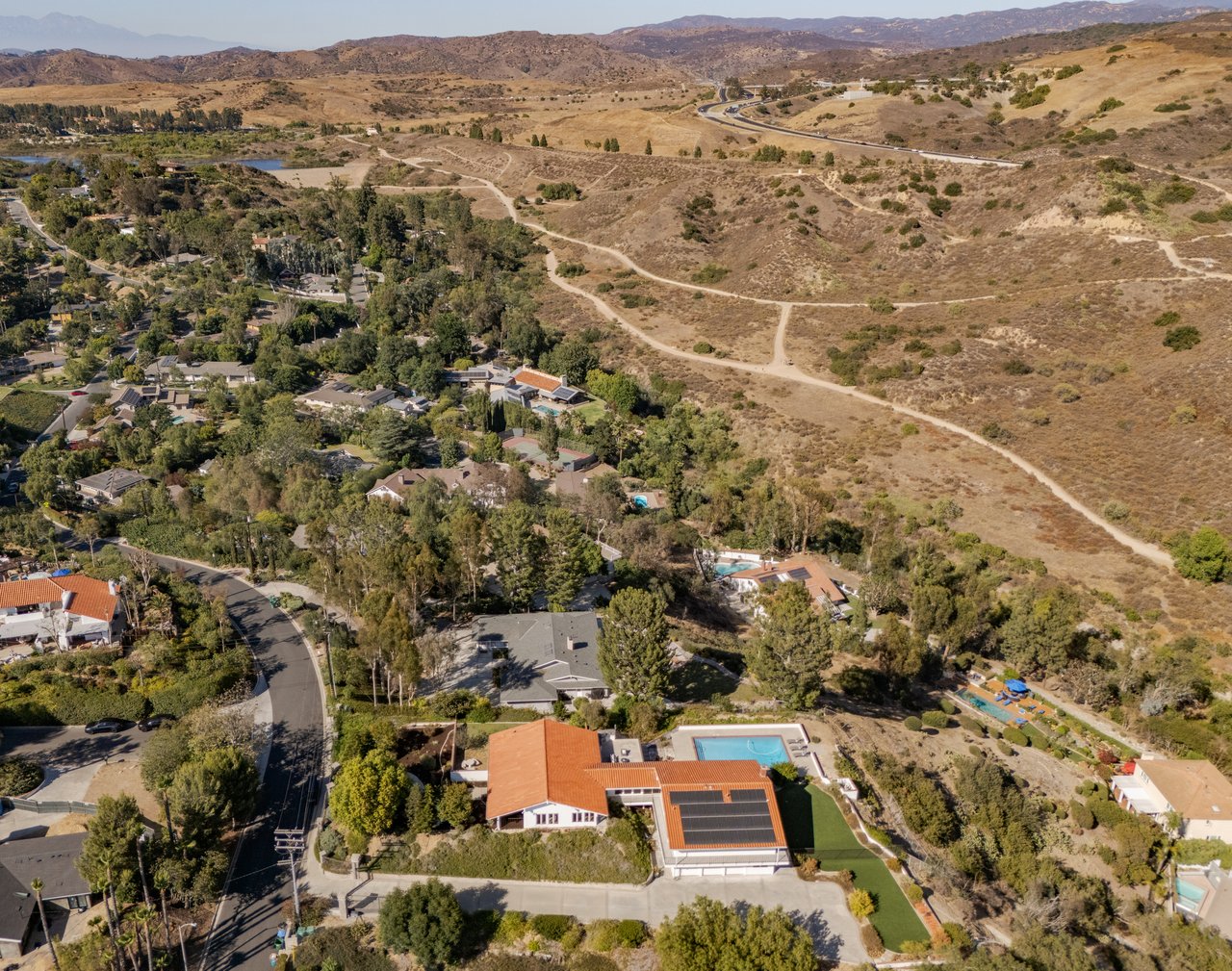
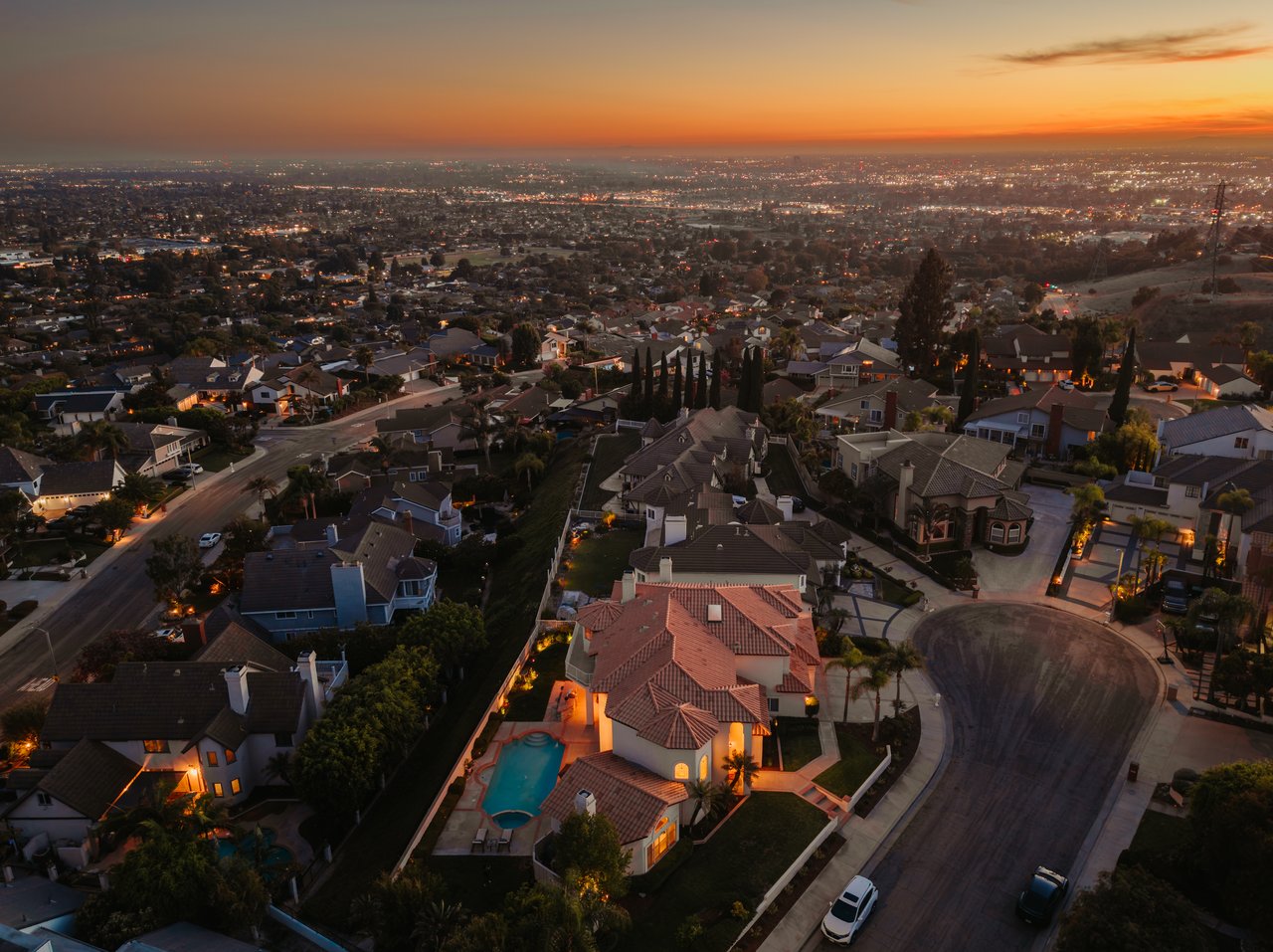
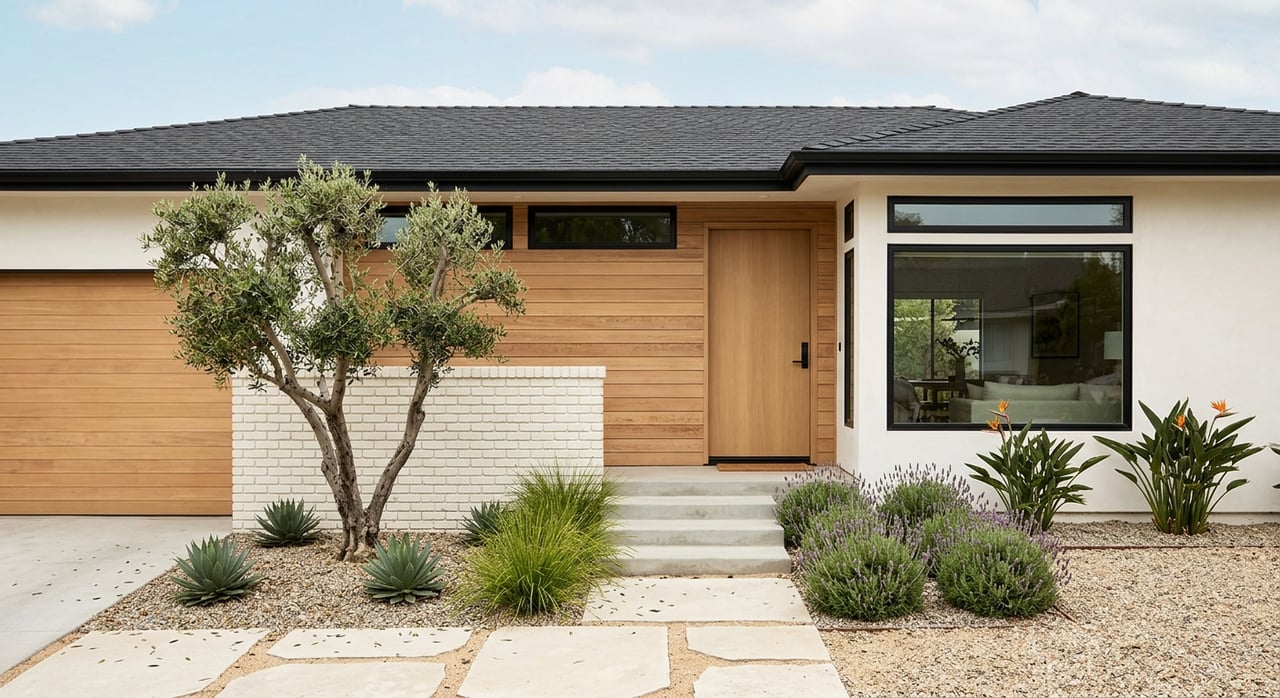
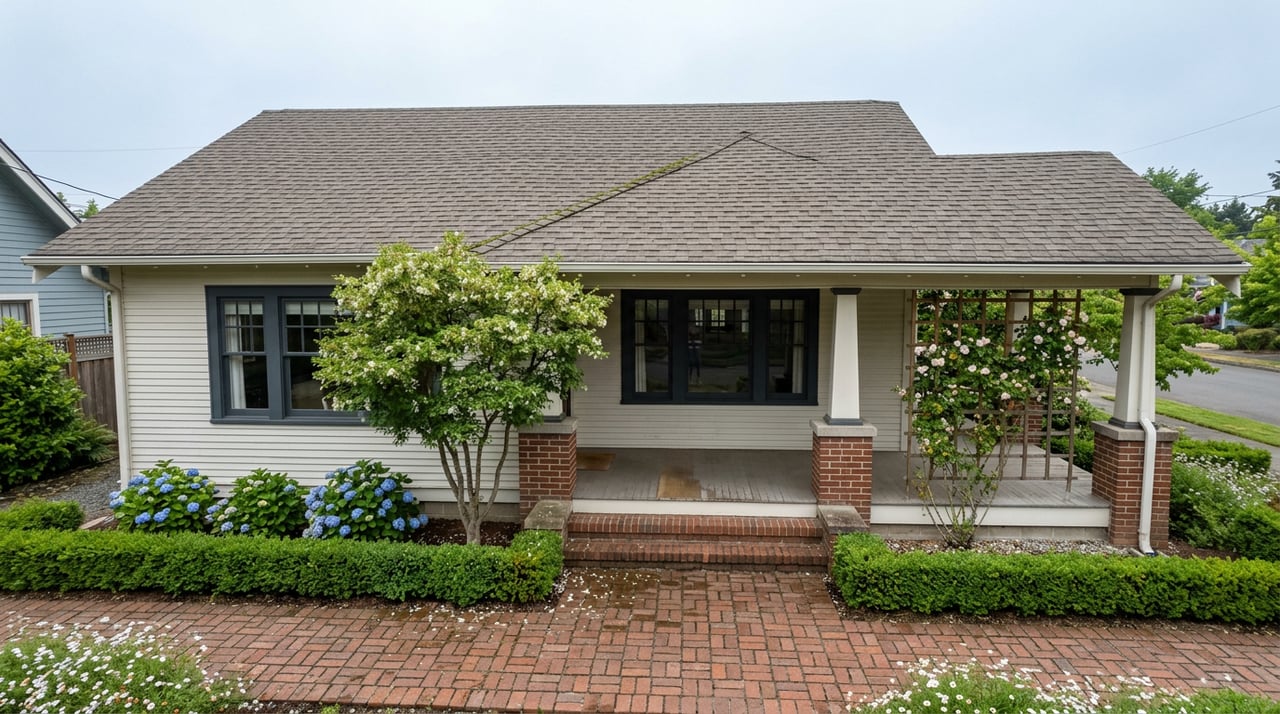
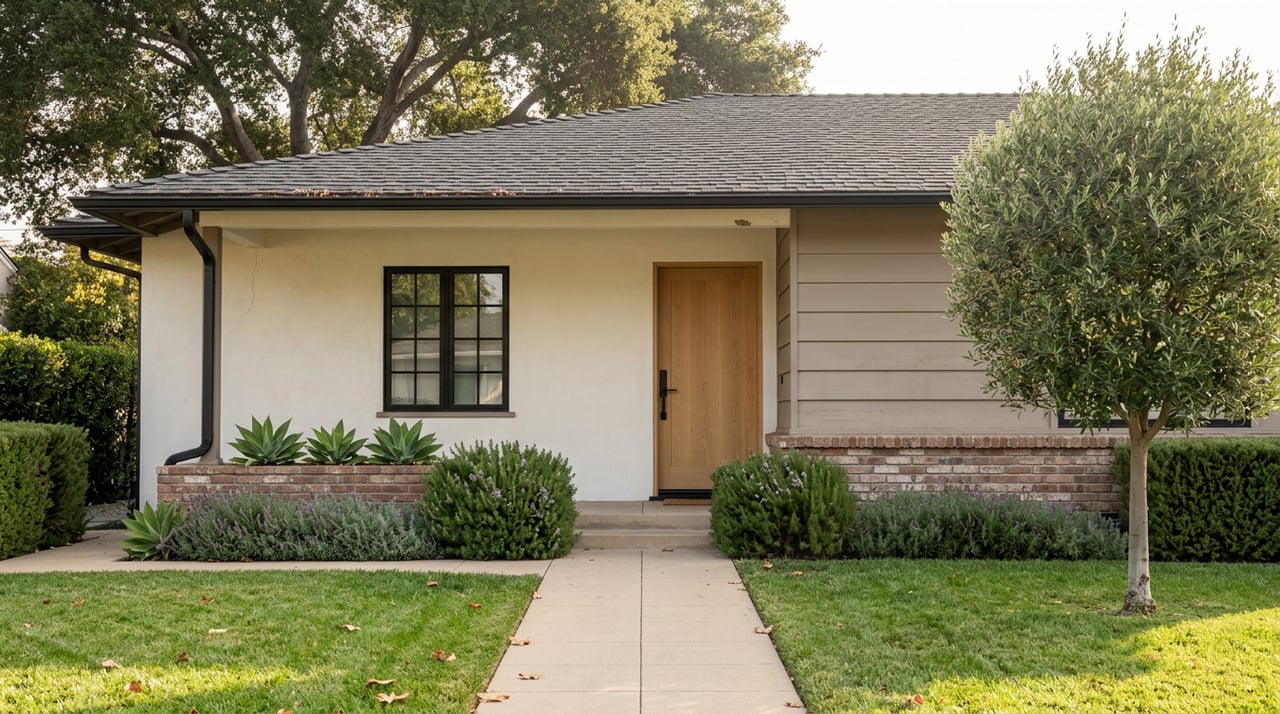
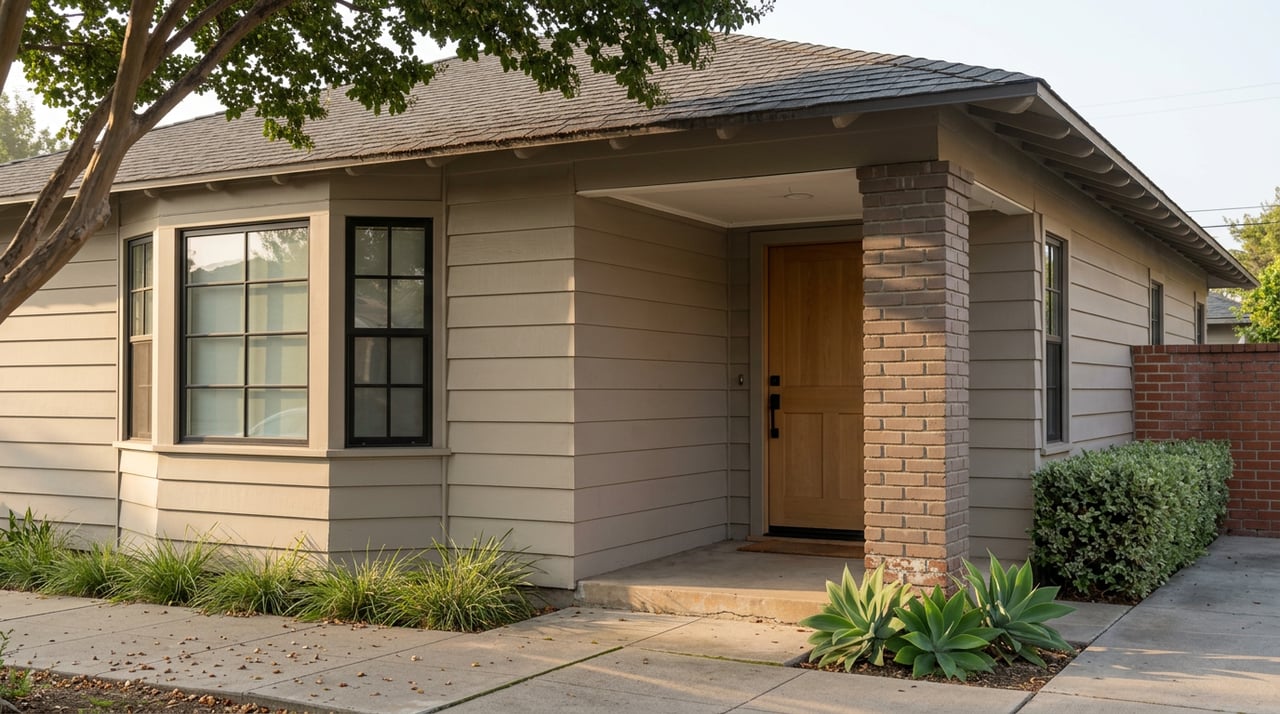
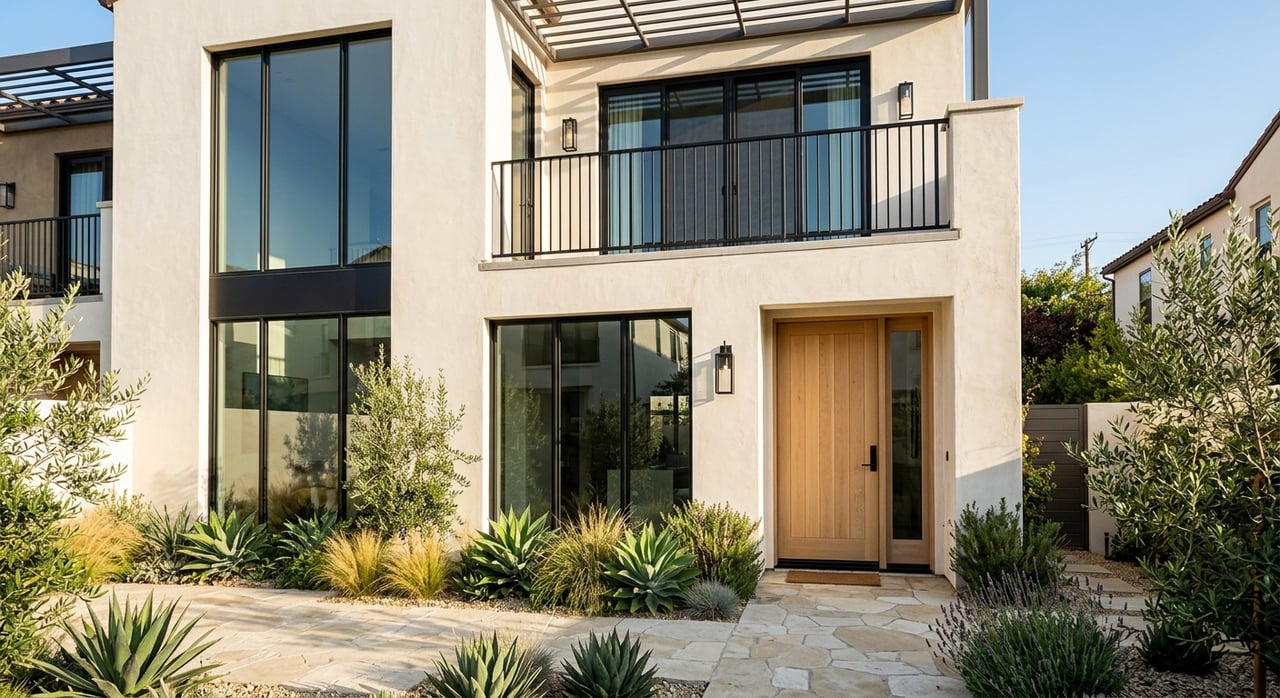
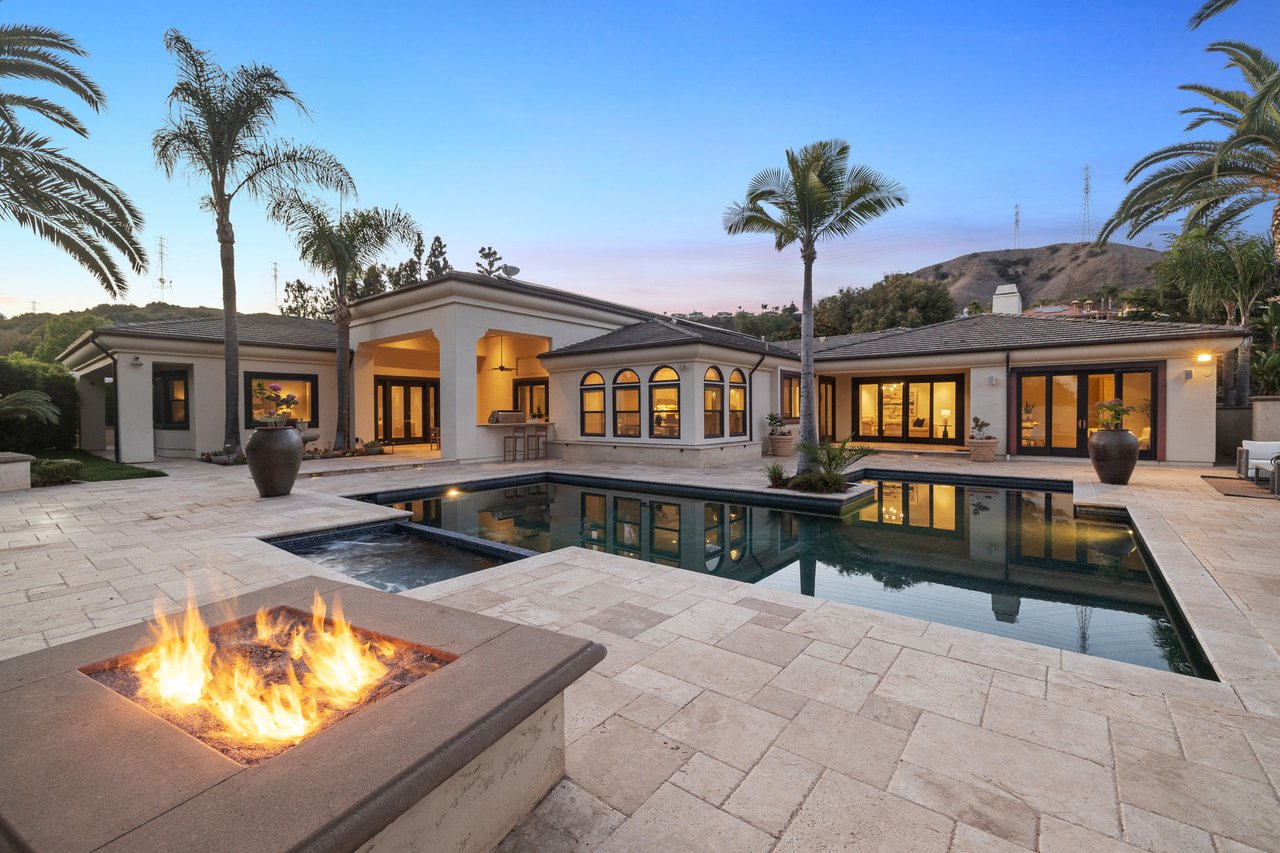
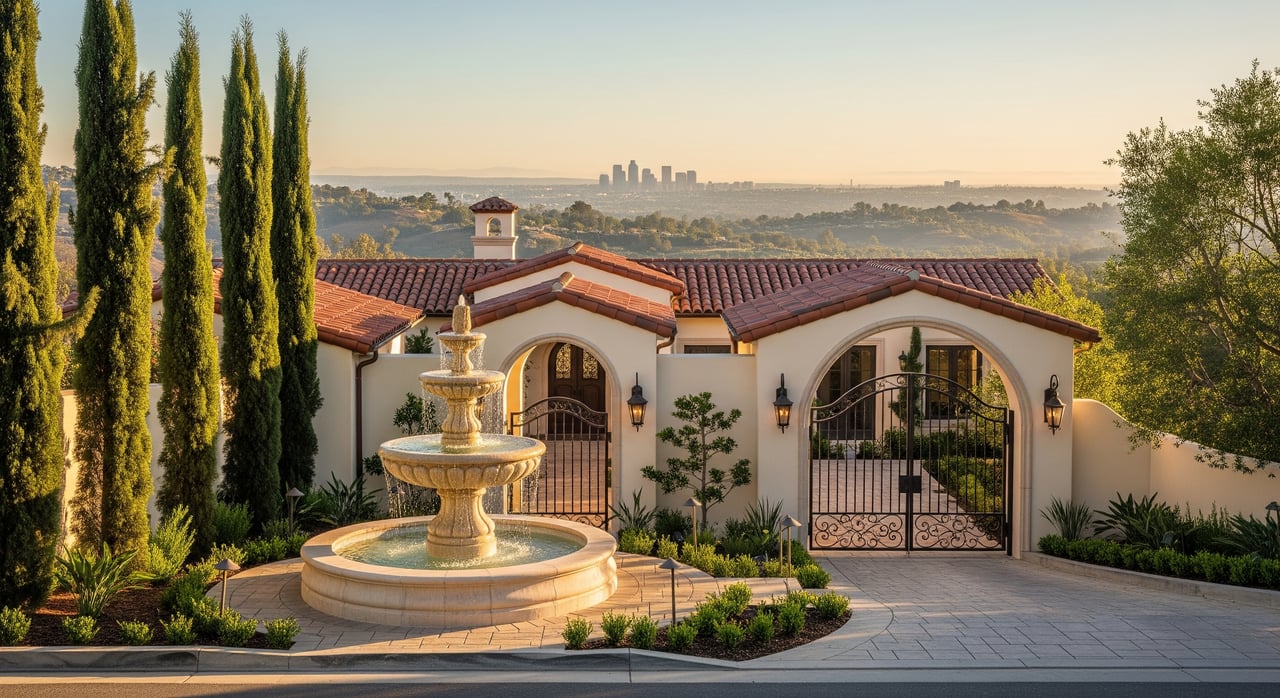
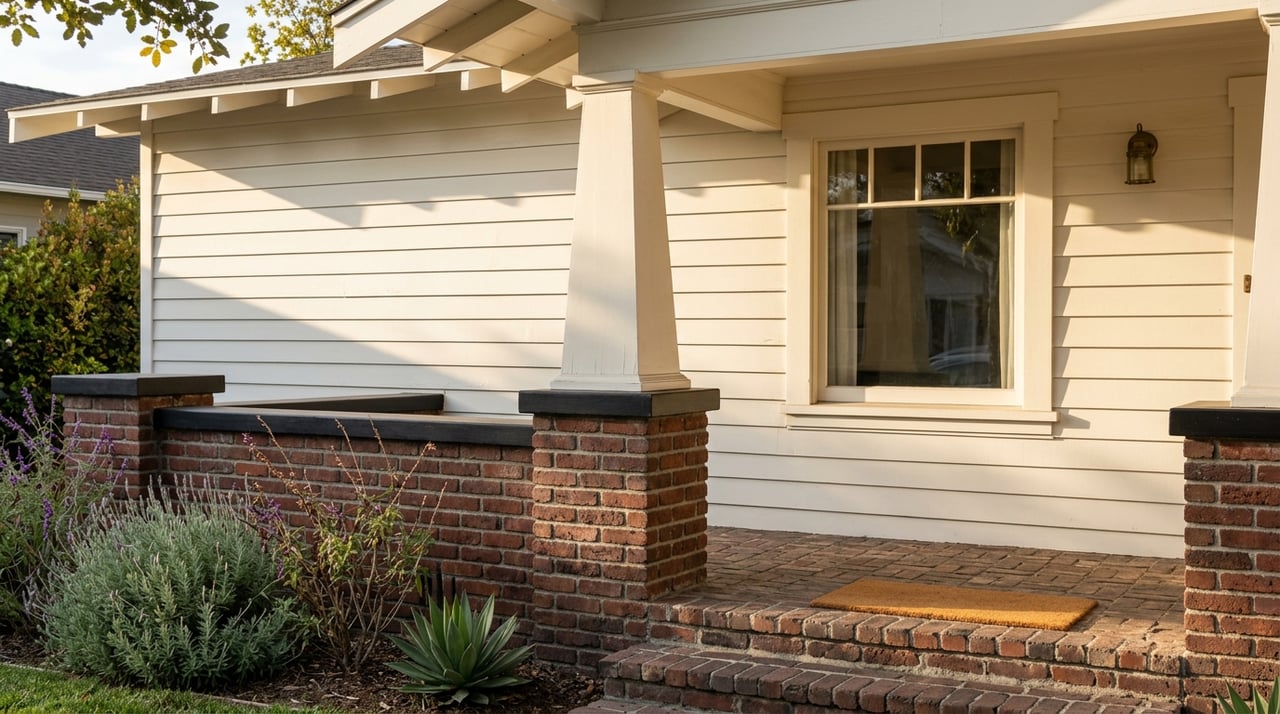
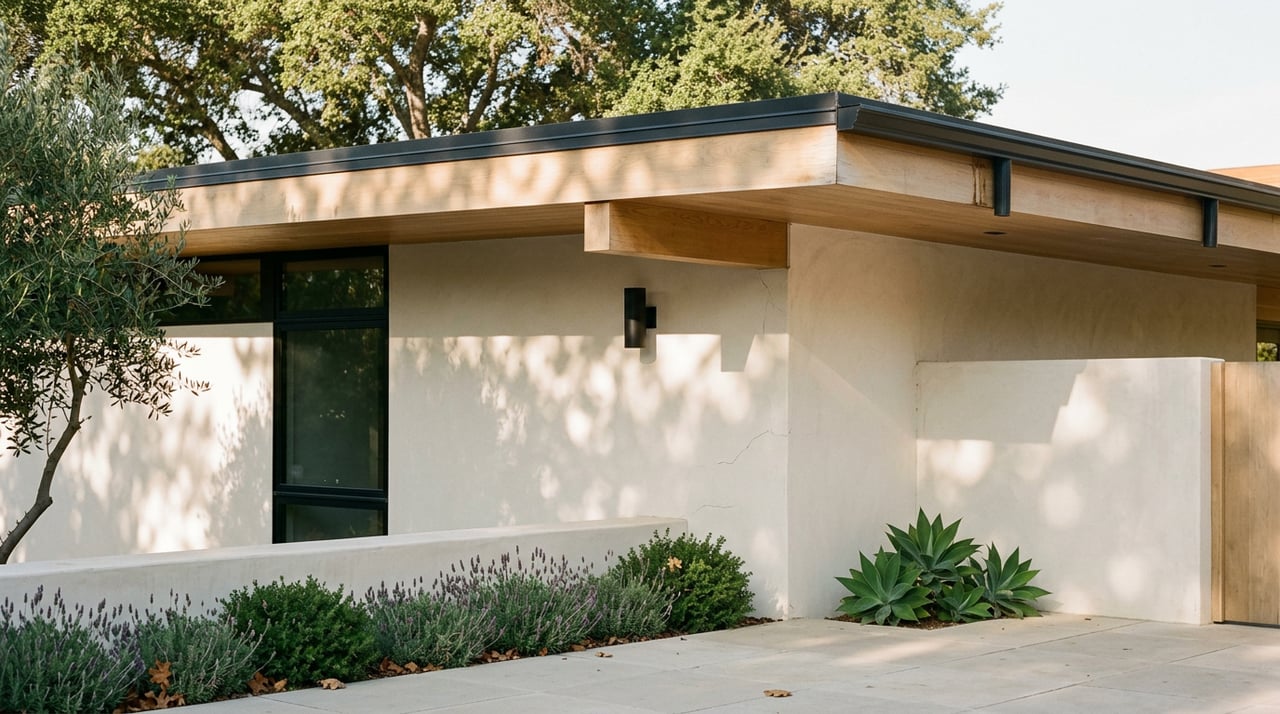
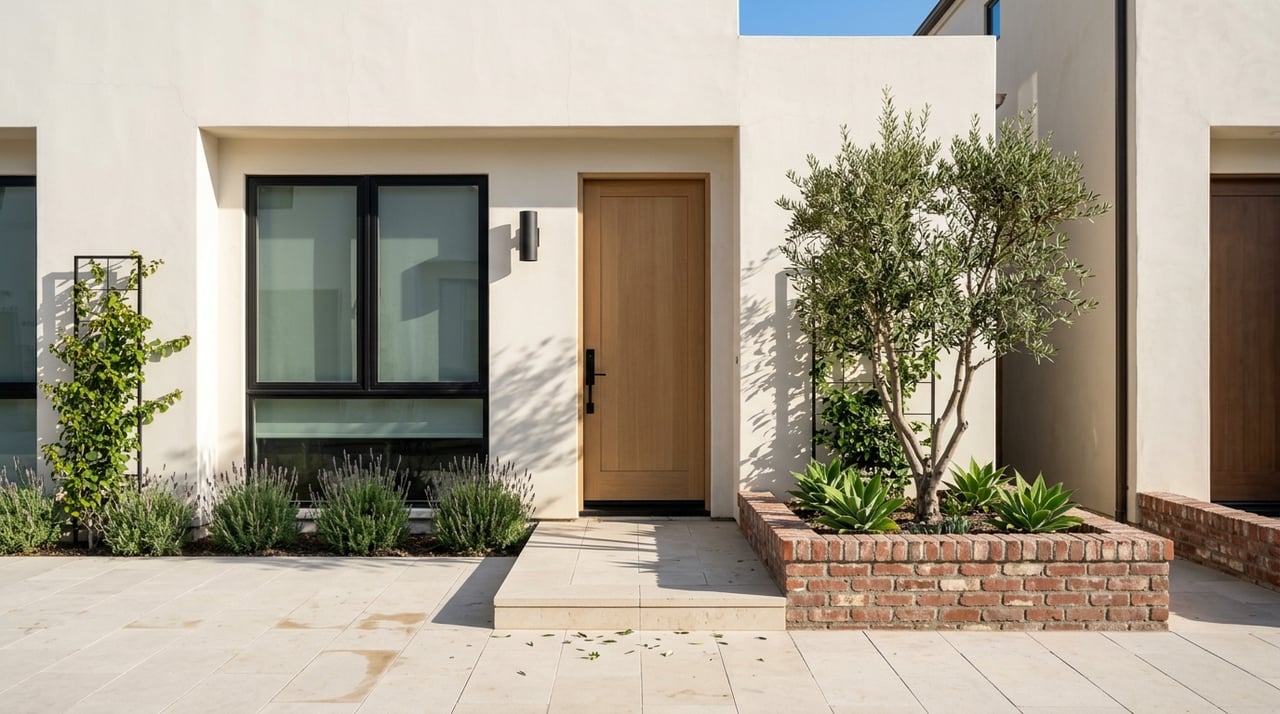
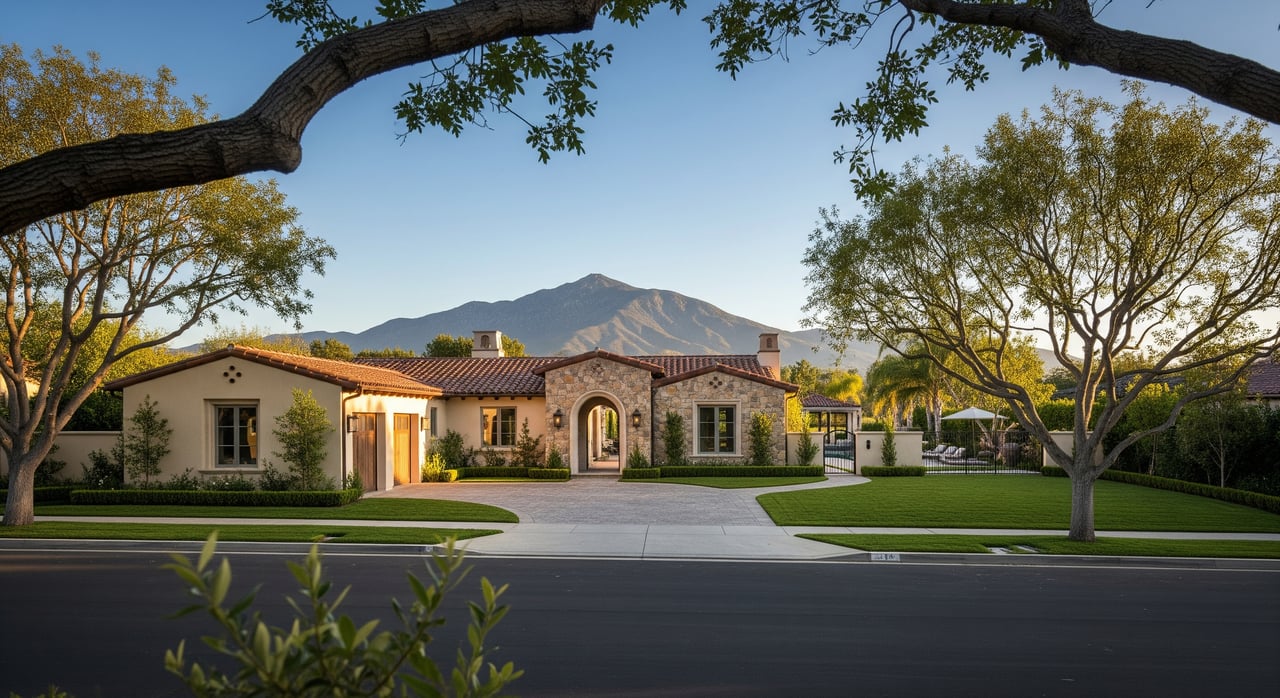
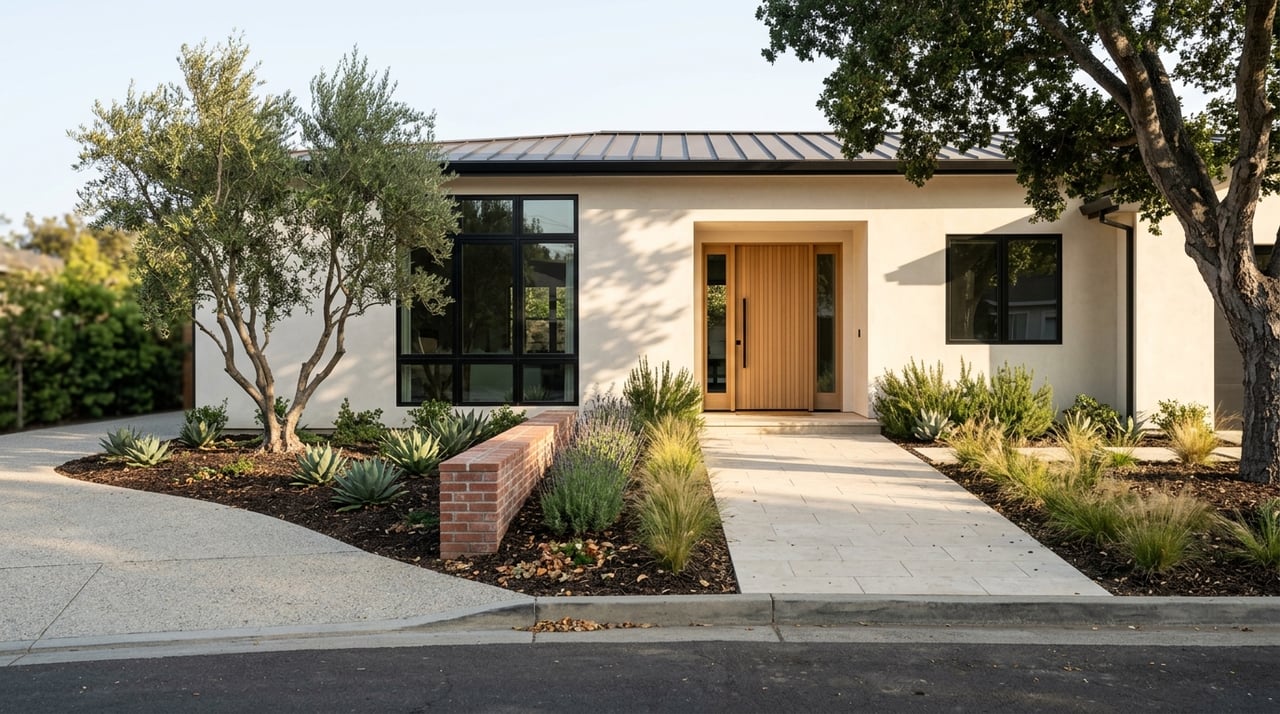
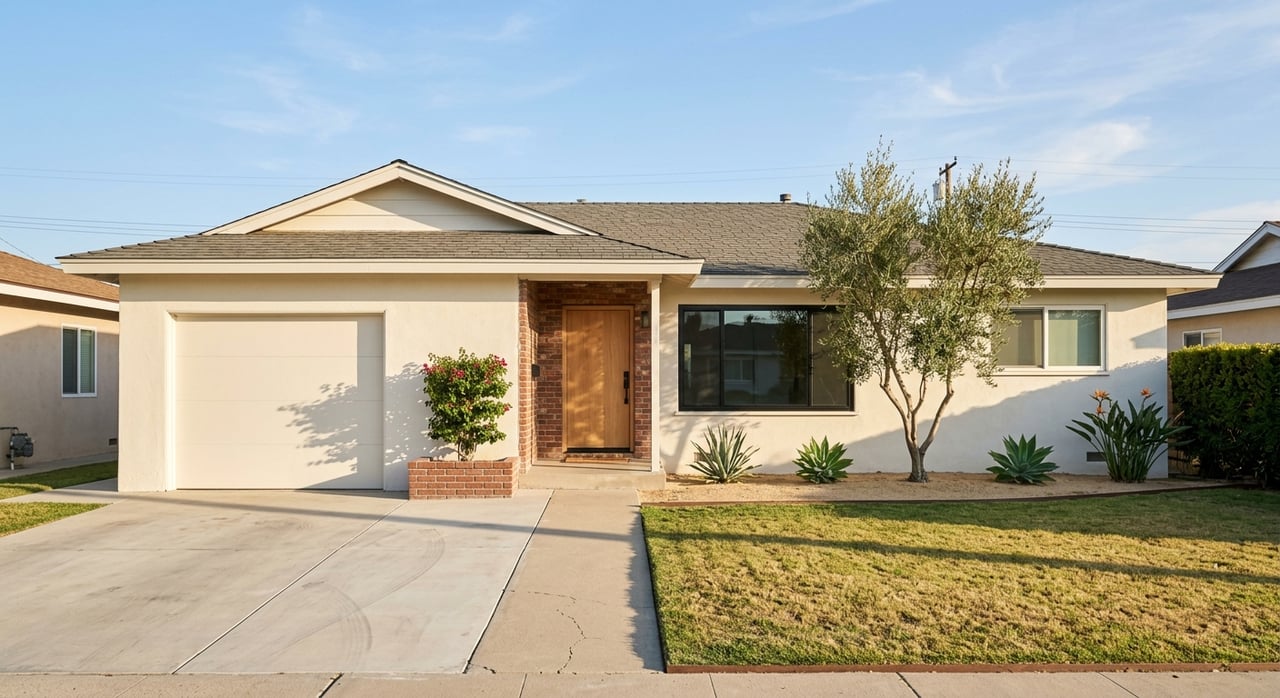
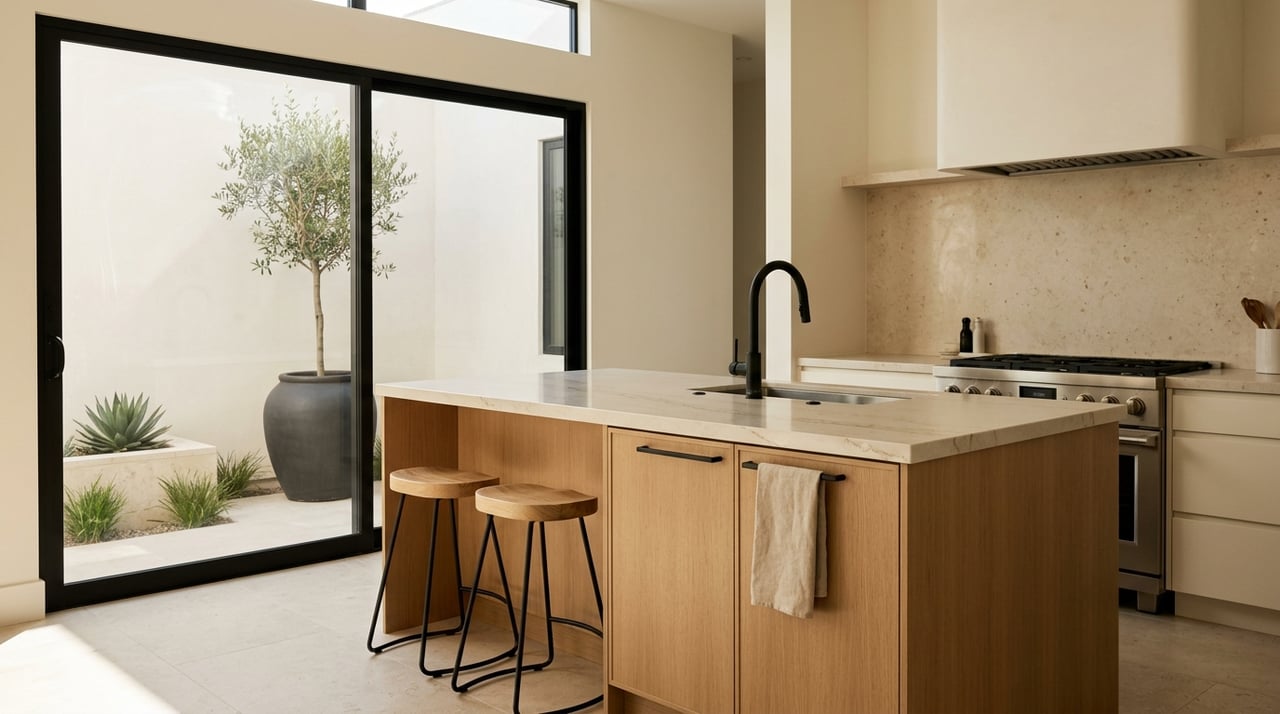
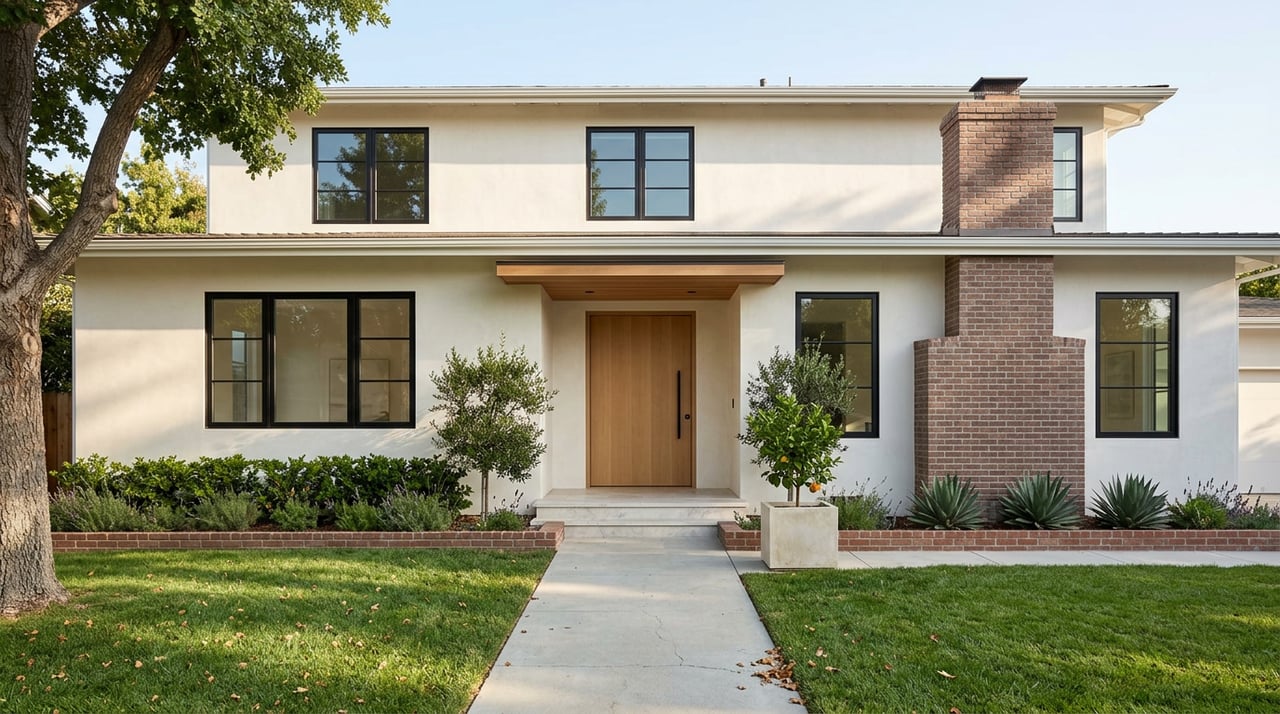
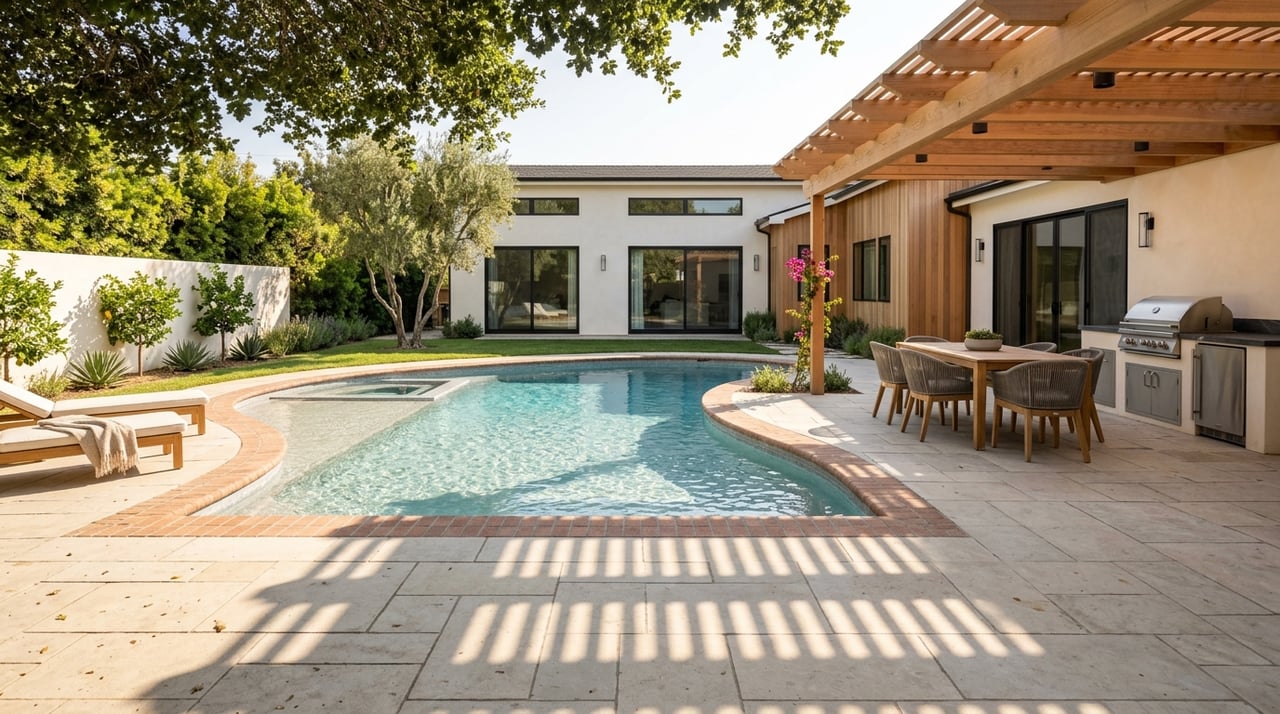
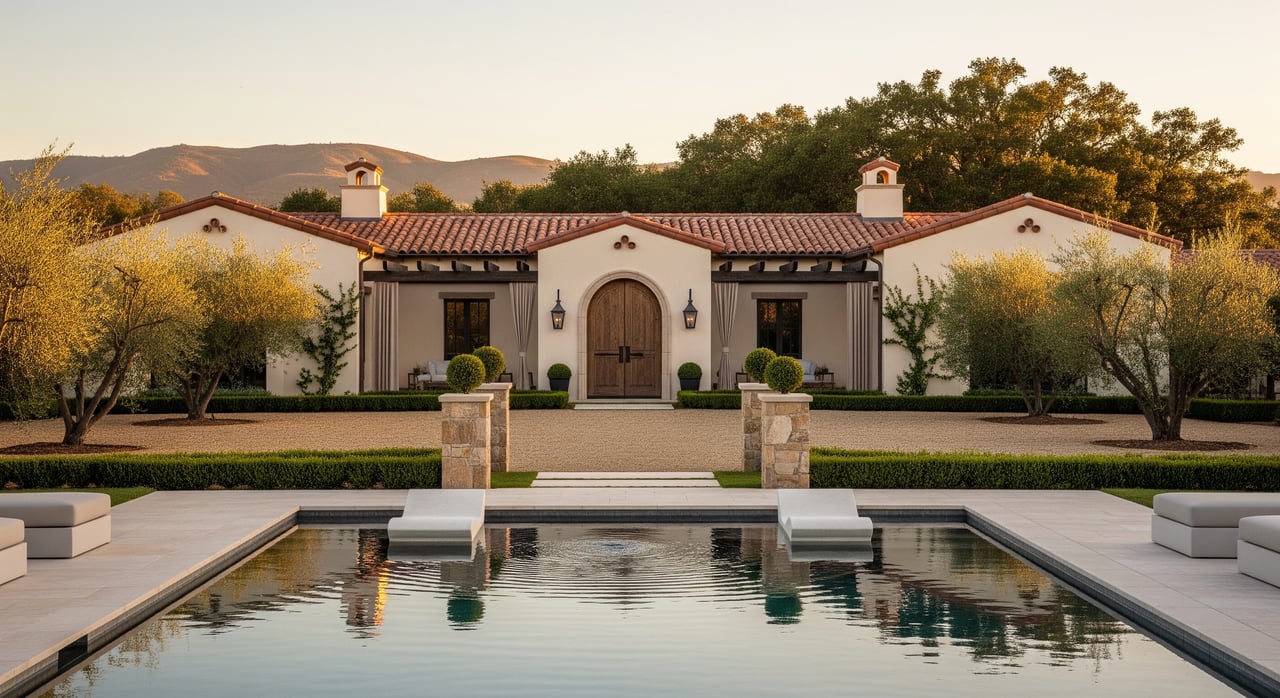
Housing here is dominated by single‑family properties. Architectural styles range from mid‑century ranch homes to newer custom builds, and many streets curve into cul‑de‑sacs that reduce through‑traffic. The defining feature is outdoor space. Lots are often larger than typical Orange County subdivisions, which means room to garden, entertain, add a pool, or create hobby areas.
Privacy is a common draw. With more space between houses and fewer busy cut‑through streets, you get a quiet setting for daily life. Some owners explore accessory dwelling units, subject to current state and local rules, to create guest spaces or multi‑generational flexibility. If that is on your wishlist, it is smart to review the latest guidelines before you plan.
Who tends to gravitate here:
- Households who want a yard for pets, play, or gardening.
- People seeking a quieter street pattern and less density.
- Buyers who want proximity to major job centers in central Orange County without a busy urban feel.
- Downsizers who value privacy and single‑level living, often with space to host.
A morning in Villa Park
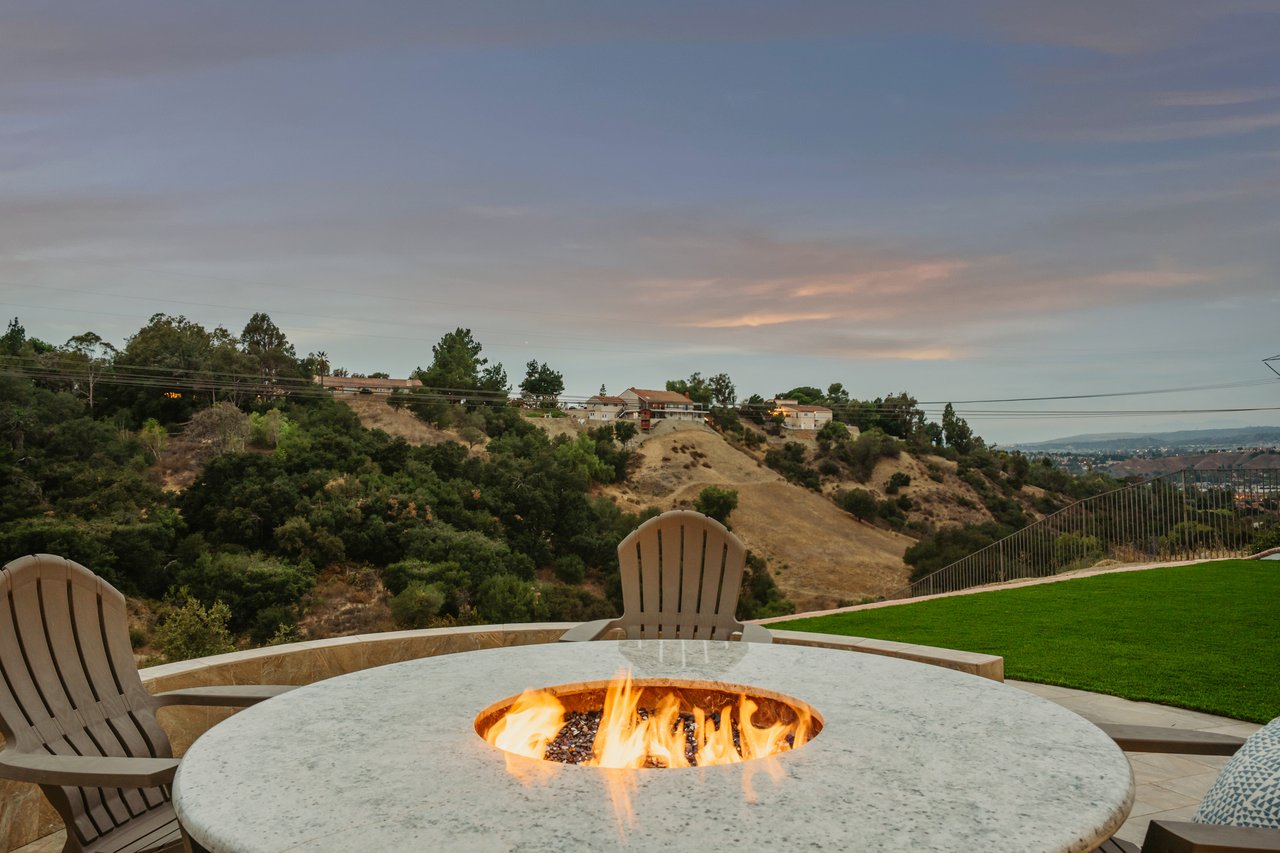
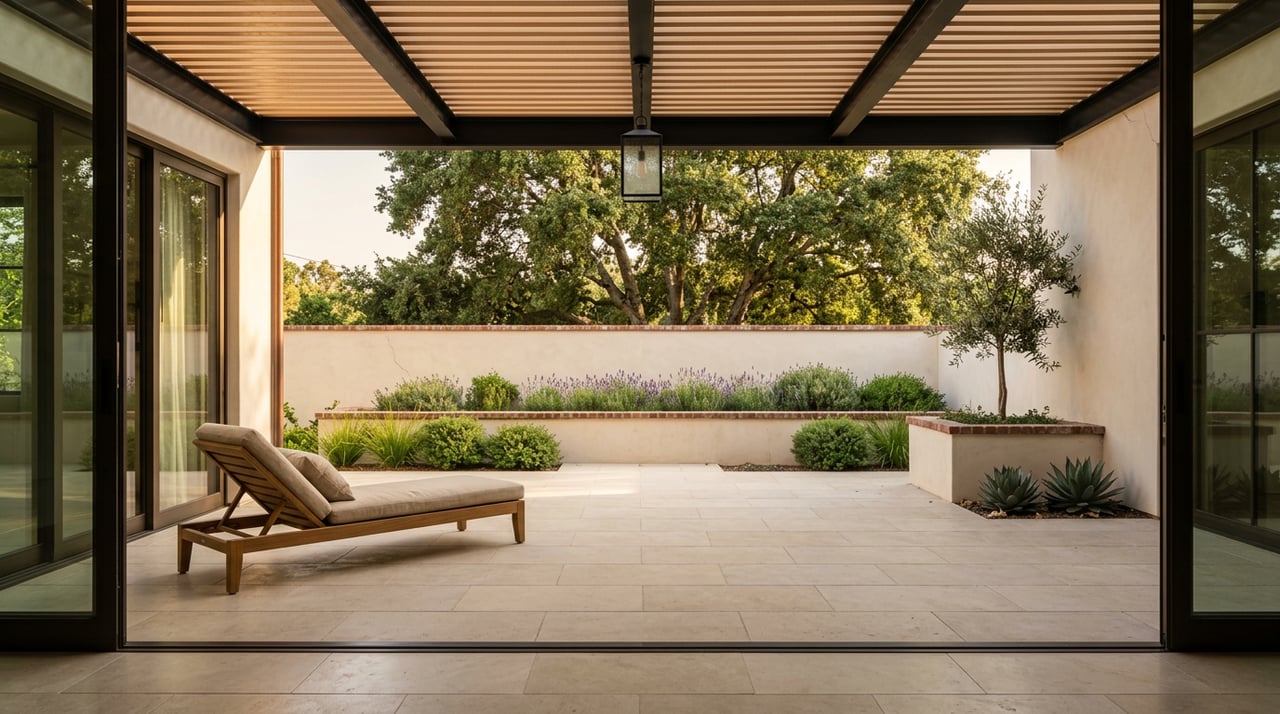
Picture a typical weekday. You ease out of the driveway onto a calm neighborhood street. School drop‑off is nearby, then a quick stop for coffee. Errands are simple, since groceries, pharmacies, and services in adjacent cities are only a short drive. By late morning you are back home, doors open to a patio or yard for fresh air and a little time in the garden.
Evenings often center on the home and nearby parks. Many residents enjoy walks on local streets, casual meetups in quiet cul‑de‑sacs, and weekend trips to nearby regional trails. The rhythm feels unhurried, which is a key reason people choose Villa Park.
Shopping, dining, services
Since Villa Park’s commercial zones are modest in size, residents rely on nearby communities for most shopping and dining. You will find grocery chains, pharmacies, banks, and casual restaurants just outside the city limits. Medical clinics, urgent care, and hospitals in the county are also a short drive away.
In practice, this means you keep the neighborhood’s quiet character while still having everyday essentials close at hand. If you like the idea of residential calm paired with practical convenience, this setup is appealing.
Schools and family life
Homes in Villa Park are served by public school districts in the area. Attendance boundaries can change, so you will want to confirm exact school assignments directly with the districts. Families also use a range of nearby private options, childcare providers, and preschools in surrounding communities.
Parks, youth sports, and community programs are accessible within Villa Park and adjacent cities. The options cover typical activities like playground time, youth leagues, and seasonal classes. If you have specific programs in mind, check schedules early since many offerings fill quickly.
Parks and the outdoors
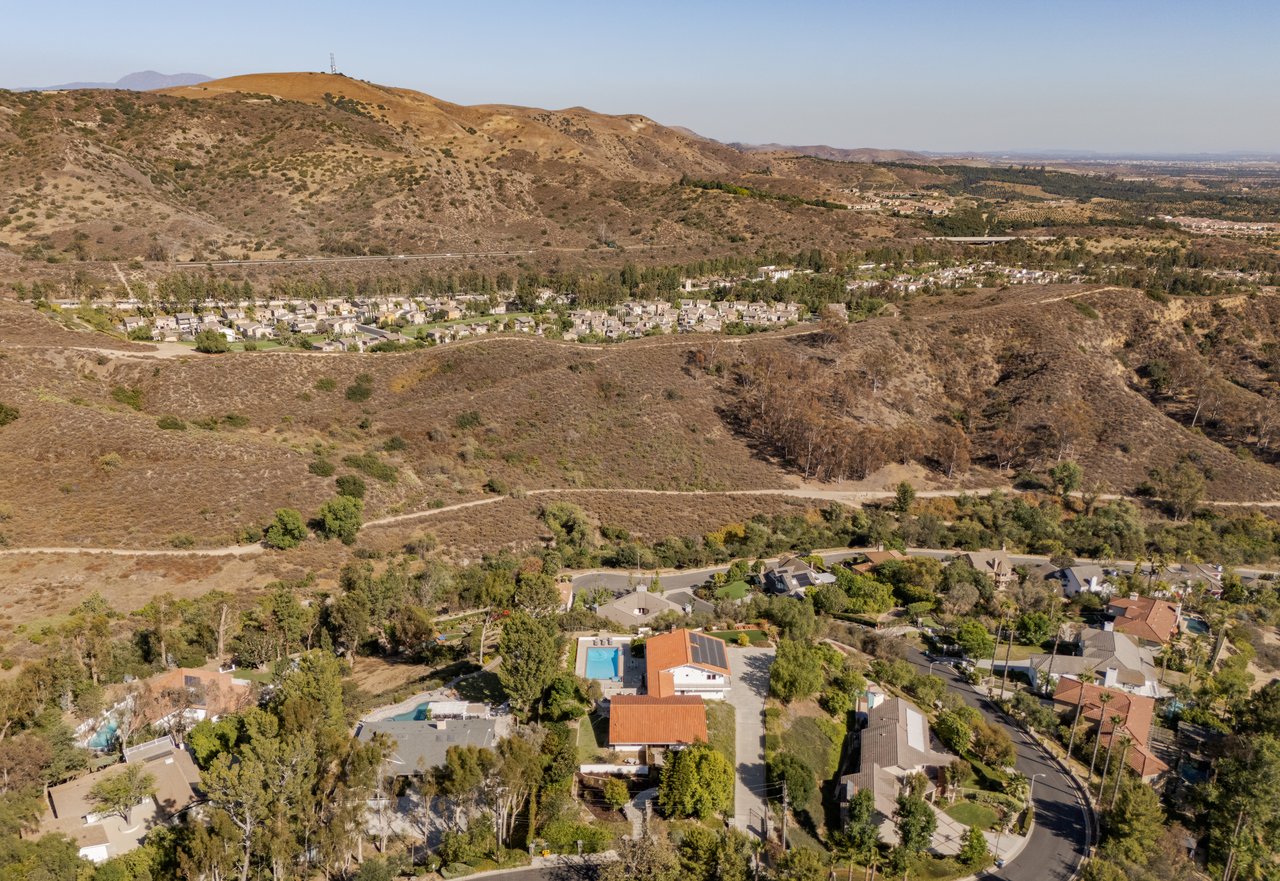
You will find neighborhood parks and green spaces for daily walks, kids’ play, and dog time. For bigger adventures, the foothills and regional open spaces near Villa Park offer hiking, biking, and horseback riding, all within a short drive.
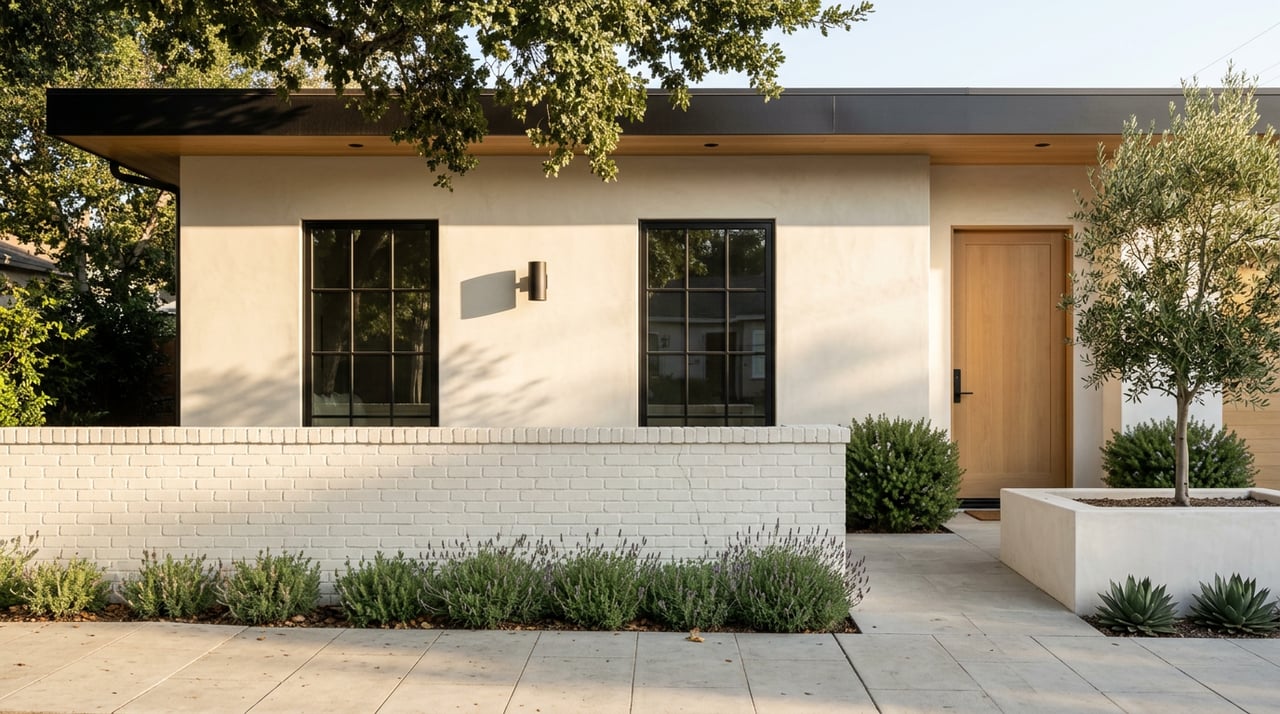
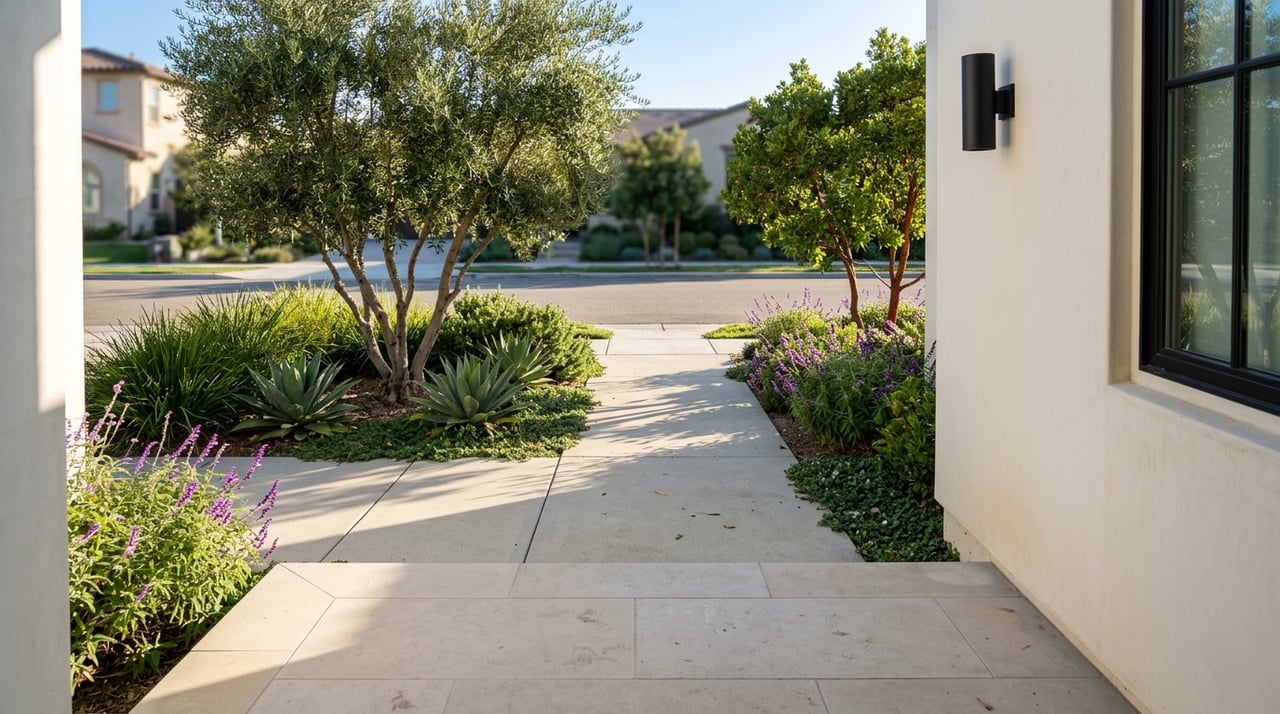
Larger lots come with practical upsides and responsibilities. Yardwork, irrigation, tree care, and pool maintenance can add to monthly and seasonal budgets. Water use and landscaping choices matter in Southern California, so many homeowners choose drought‑tolerant designs to simplify care.
Wildfire awareness is part of living near foothill areas in the region. Brush management and defensible‑space practices help reduce risk, and local fire authorities publish guidance that is worth reviewing during homeownership and pre‑listing preparation.
Getting around and commutes
Villa Park is primarily car‑dependent. Public transit options inside the city are limited, so most residents drive for work and errands. Access to major Orange County freeways is close by, which helps with commutes to job centers in places like Irvine, Anaheim, and Santa Ana.
If you prefer alternatives, you can look into regional bus routes or commuter rail stations in nearby cities. Many residents blend strategies, including flexible hours, carpooling, or partial remote work, to smooth out peak‑hour travel.
Safety and city services
Public safety in small Orange County cities is typically provided through county partnerships. Police services are often delivered by contract, and fire protection comes from a regional fire authority. Response, patrol, and community programs are coordinated at the county level.
Utilities and municipal services are handled by regional providers. If you are budgeting a move, it is smart to review water, sewer, trash, and internet options for a specific property. Property taxes in California follow the Proposition 13 framework, which sets the base rate and allows for local assessments. Always confirm parcel‑specific assessments and any special districts with the county before you buy.
Cost of living basics
Villa Park’s larger lots and low housing supply typically translate to higher price points compared with many nearby neighborhoods. Inventory often skews toward owner‑occupied single‑family homes, so rental choices inside the city are more limited. When a well‑prepared listing hits the market, it can draw strong interest.
Beyond the purchase price, factor in ongoing care for spacious yards. Landscaping, irrigation repairs, pool servicing, and tree work add up over a year. Insurance is another line item to consider carefully. Proximity to wildland areas can influence homeowners insurance, and earthquake coverage is a separate policy in California.
Homeowner associations exist in some pockets, although many streets are not governed by HOAs. Where they exist, fees and rules vary by community, so you will want to review documents during due diligence.
Pros and cons
Reasons people choose Villa Park
- Quiet, low‑traffic neighborhood streets and a relaxed pace.
- Larger lots and private outdoor space for gardening, play, and entertaining.
- Predominantly single‑family homes with a sense of privacy.
- Central Orange County location with short drives to regional amenities.
Tradeoffs to consider
- Limited in‑city retail, dining, and entertainment, you will drive for most errands.
- Car‑dependent lifestyle with fewer transit options.
- Higher housing costs and ongoing yard maintenance compared with denser areas.
- Awareness of wildfire season and brush management if near the foothills.
Is Villa Park a fit?
If your must‑haves include a quiet street, a larger yard, and a central Orange County location, Villa Park deserves a close look. The lifestyle leans residential and low‑key, with quick access to shopping and services just outside the city. For downsizers, it can offer single‑level living and privacy without losing proximity to family and work.
If you want help weighing the tradeoffs, planning pre‑listing improvements, or identifying the right home, lean on a design‑forward advisor who knows the area. With integrated real estate and design services, you can buy or sell with confidence and present your home at its best.
Ready to explore Villa Park with a strategy that aligns to your goals? Connect with Cindi Karamzadeh Real Estate + Design for local guidance and a streamlined plan from search to staging.
FAQs
Is Villa Park right for buyers who want more space?
- Yes. The city is known for larger lots and a low‑density layout that offers privacy and room for outdoor living.
How convenient is shopping and dining near Villa Park?
- Everyday essentials are a short drive away in adjacent communities, which keeps the city’s neighborhoods quiet while maintaining easy access to services.
What are the schools like for Villa Park residents?
- Homes are served by public school districts in the area. Always verify current attendance boundaries and programs directly with the districts.
Is Villa Park car‑dependent or transit‑friendly?
- It is mostly car‑dependent. Public transit options are limited in the city, and residents typically drive for commutes and errands.
What should I budget for yard and home upkeep?
- Larger lots can mean higher ongoing costs for landscaping, irrigation, tree care, and pool service. A pre‑purchase maintenance plan helps you set realistic expectations.
Are there wildfire or environmental considerations?
- Homes near foothills should plan for brush management and defensible space. Local fire authorities provide guidance, and insurance coverage should be reviewed with those risks in mind.
How do property taxes work in Villa Park?
- California’s Proposition 13 sets a base rate and limits annual increases on assessed value, with possible local assessments added. Check parcel‑specific details with the county before closing.