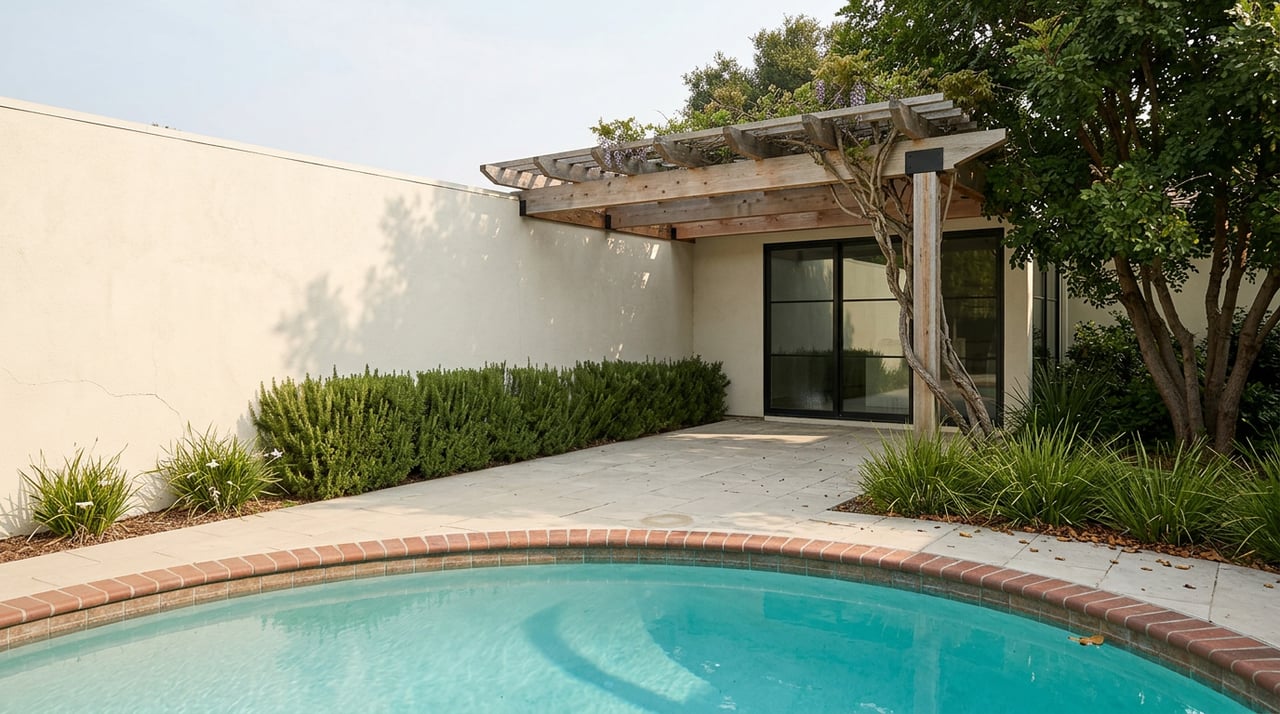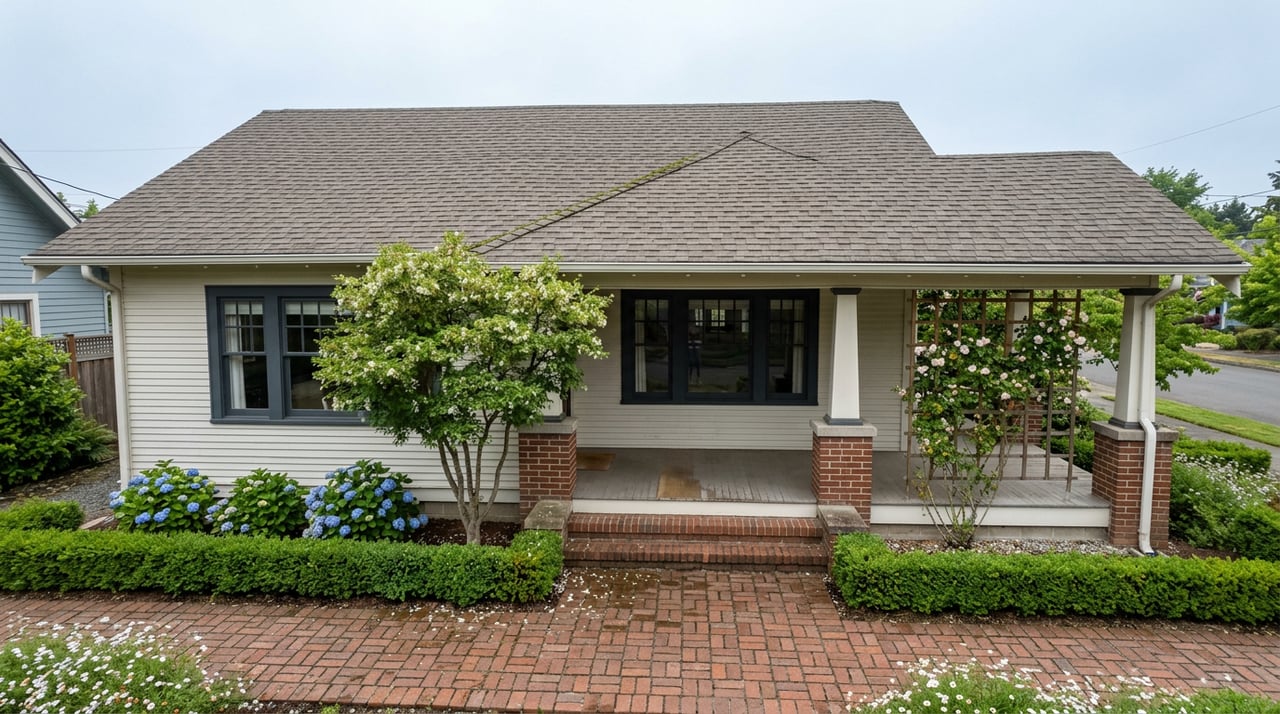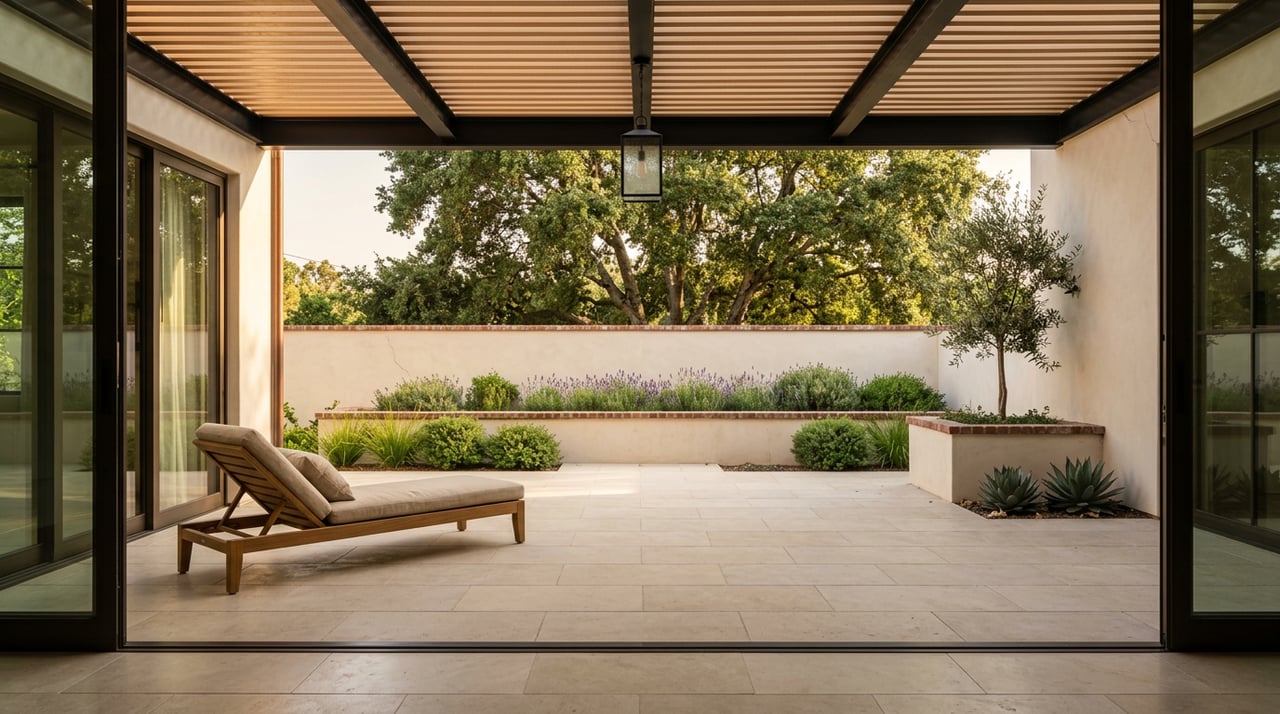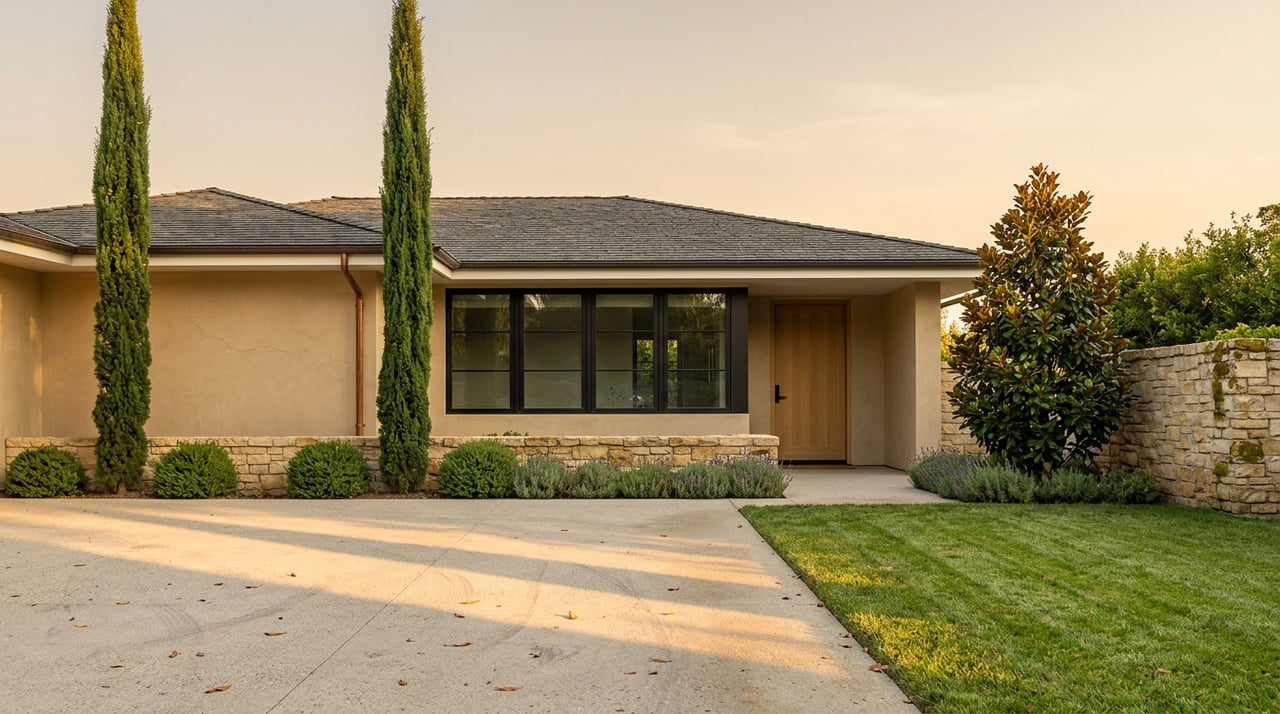
Thinking about selling your Villa Park home in the next 6 to 24 months but unsure which fixes actually move the needle? You are not alone. With larger lots, mostly 1960s–1970s homes, and a small pool of monthly sales, the best updates here are targeted, design-led, and timed well. In this guide, you will learn a Villa Park specific plan that prioritizes curb appeal, buyer-favorite spaces, and outdoor living while avoiding overreach. Let’s dive in.
Why Villa Park needs a local plan
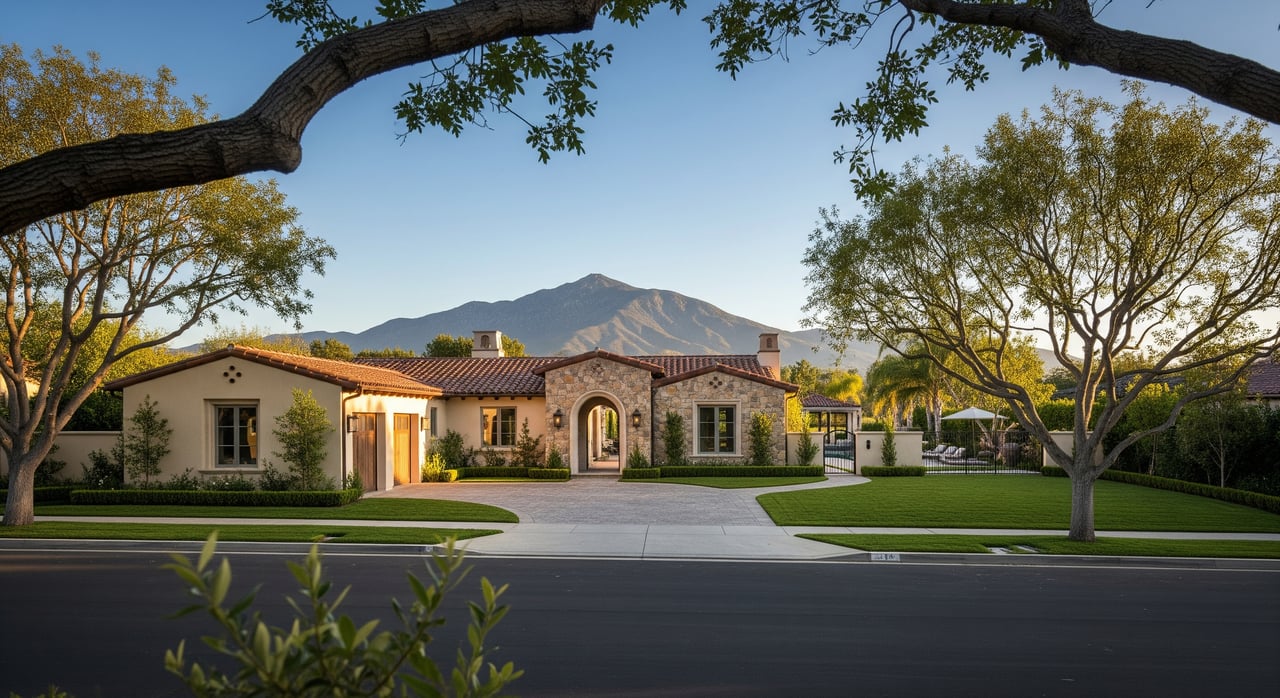
Villa Park is mostly detached single-family homes on generous lots, with many properties built in the 1960s and 1970s. That makes outdoor-living potential and sensible, scale-appropriate updates especially valuable. The city also runs a Building and Safety counter, with permits, inspection windows, and posted construction hours that affect timing. Plan ahead so updates do not delay your launch. You can review permit guidance and programs, including a pre-approved ADU plan option, on the City’s Building and Safety page and confirm the neighborhood’s midcentury roots in the state housing element for Villa Park (HCD housing element).
Because Villa Park has relatively few monthly closings, broad national ROI averages can mislead. Use a local, design-led approach that keeps your home competitive within nearby comps rather than overbuilt for the street.
Your 6–24 month pre-listing roadmap
Immediate wins: 0–4 weeks
- Declutter, deep clean, and fix visible issues like peeling paint or loose hardware. These simple steps create a cared-for feel and photograph well.
- Repaint interiors in a neutral palette and touch up exterior trim and the front door. Paint ranks among the most recommended seller prep tasks in the NAR Remodeling Impact Report.
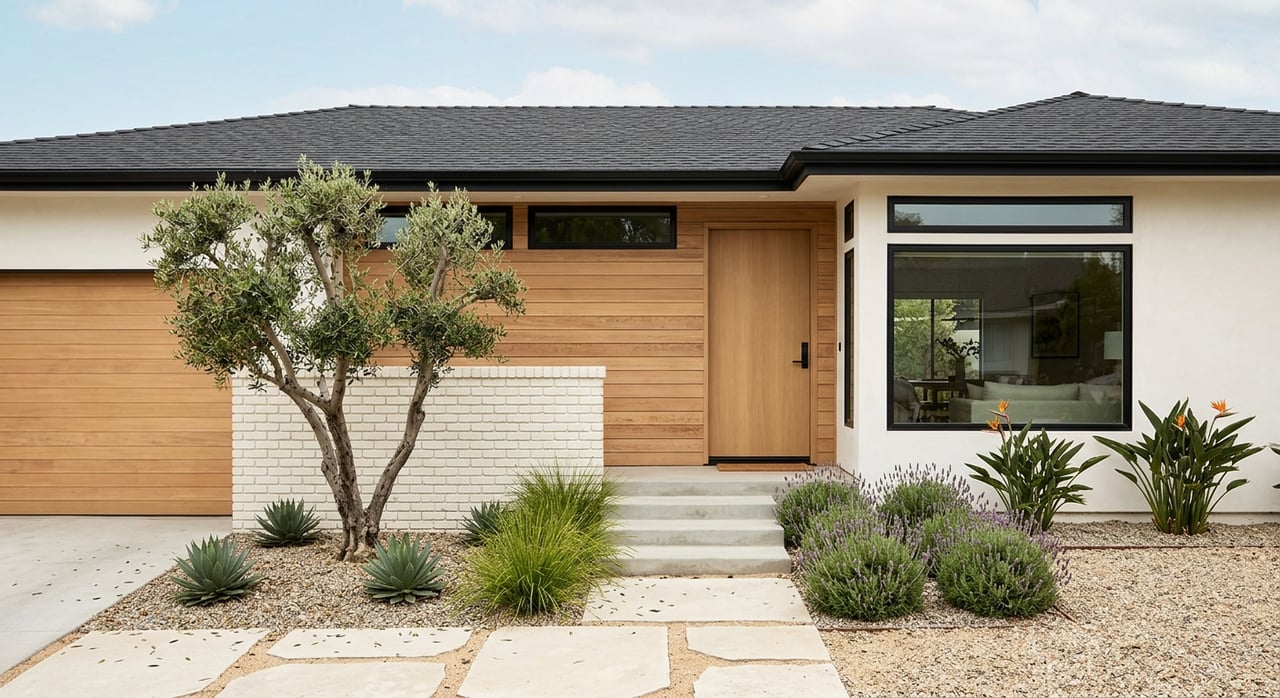
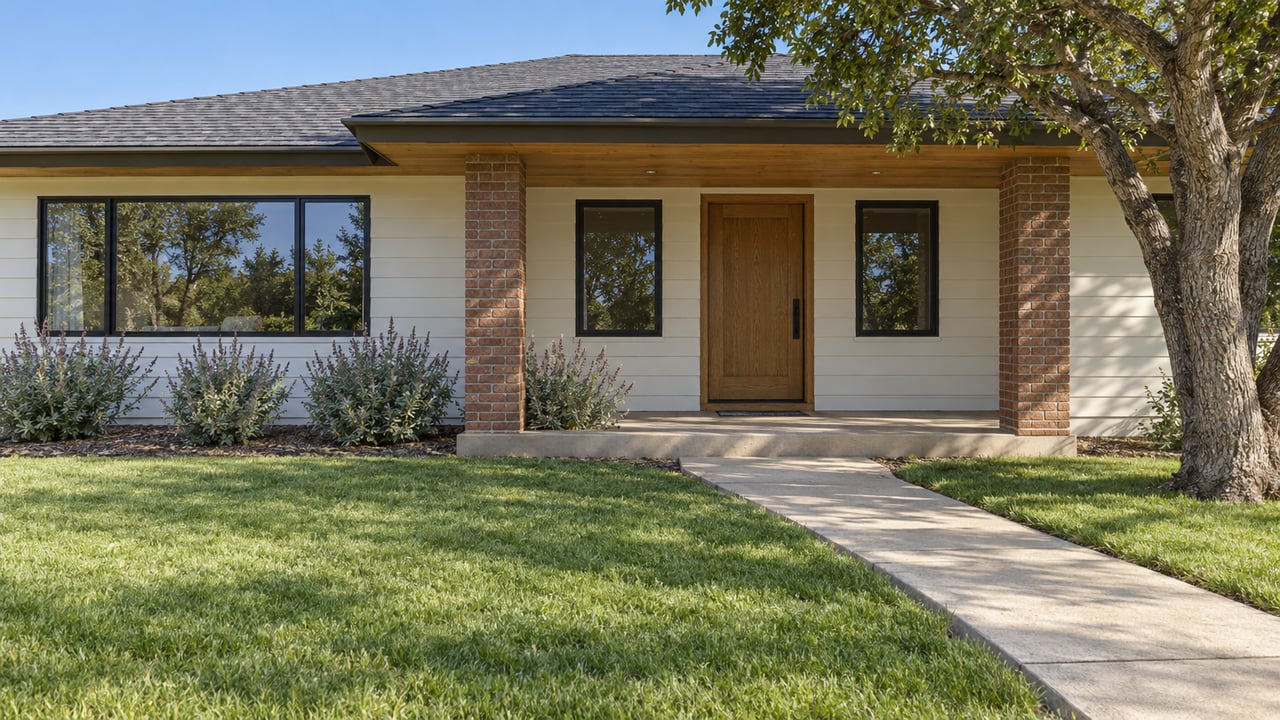
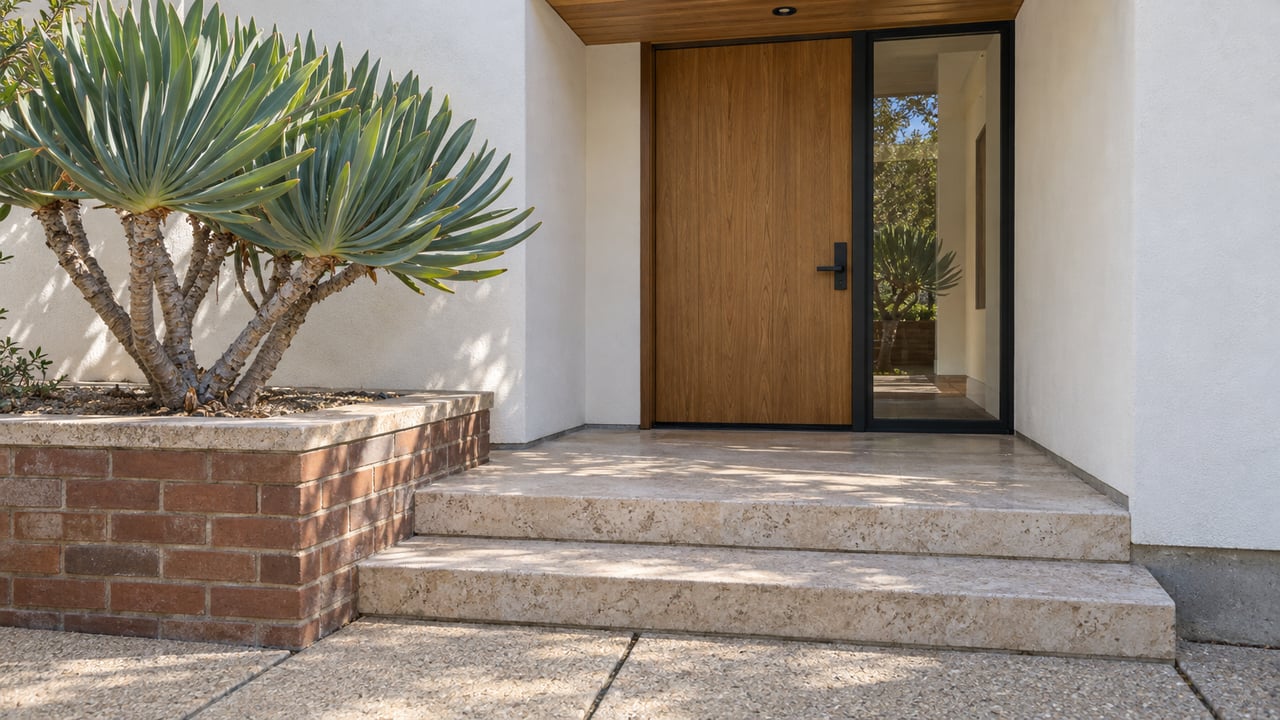
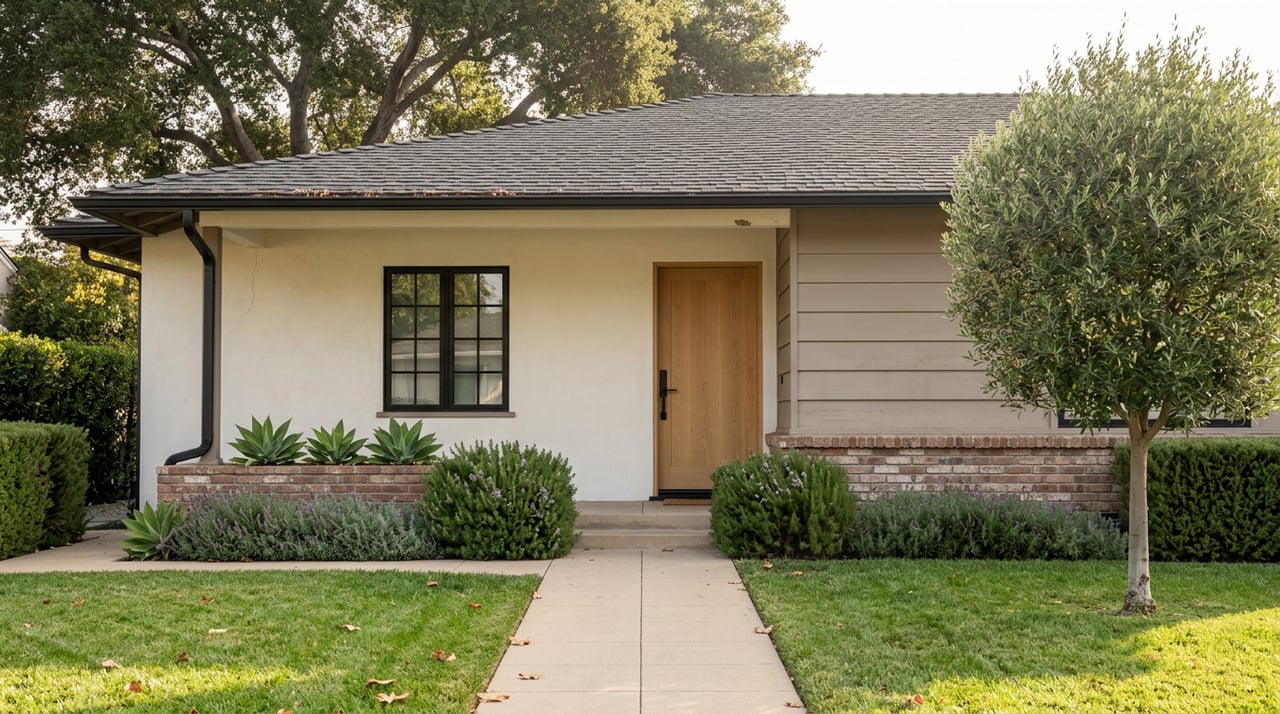
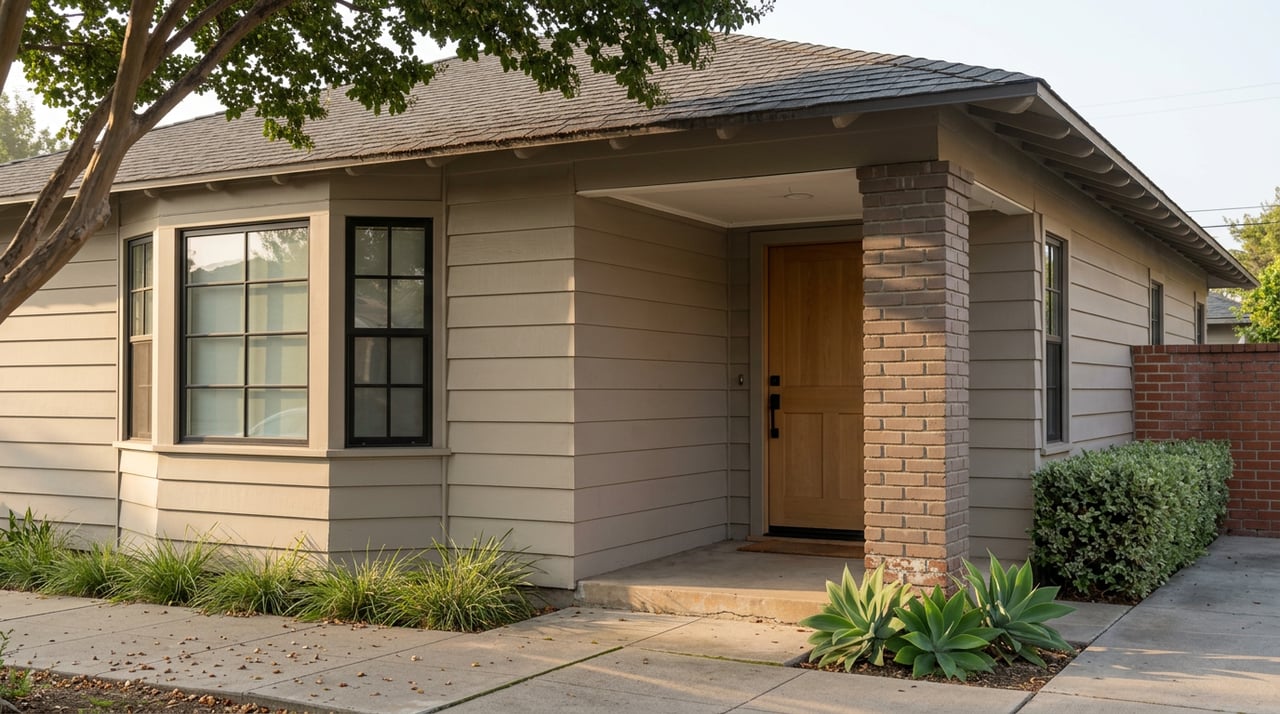
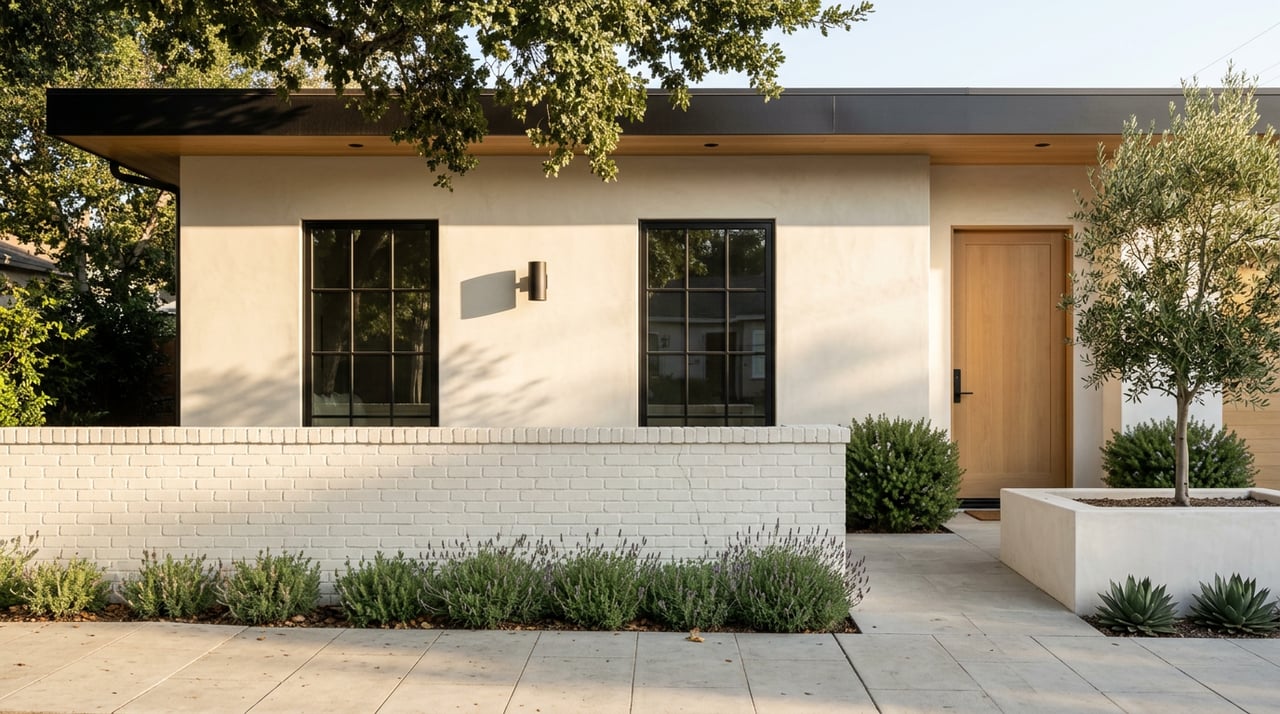
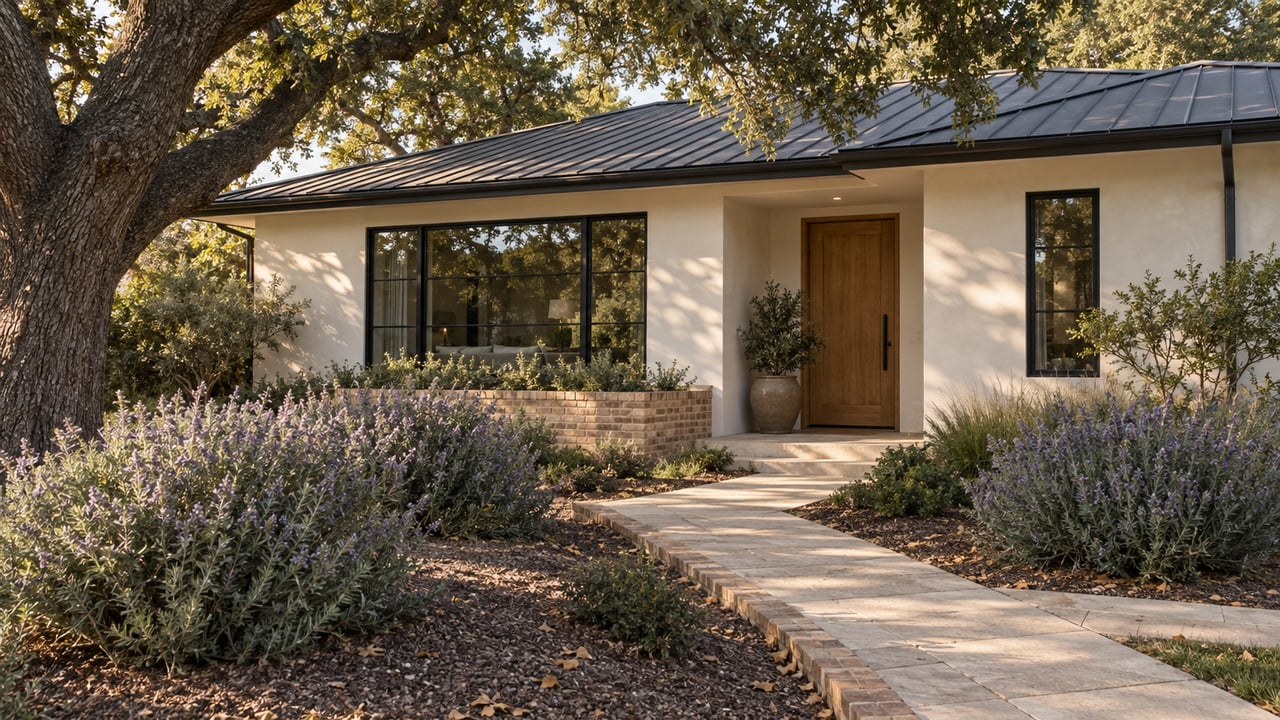
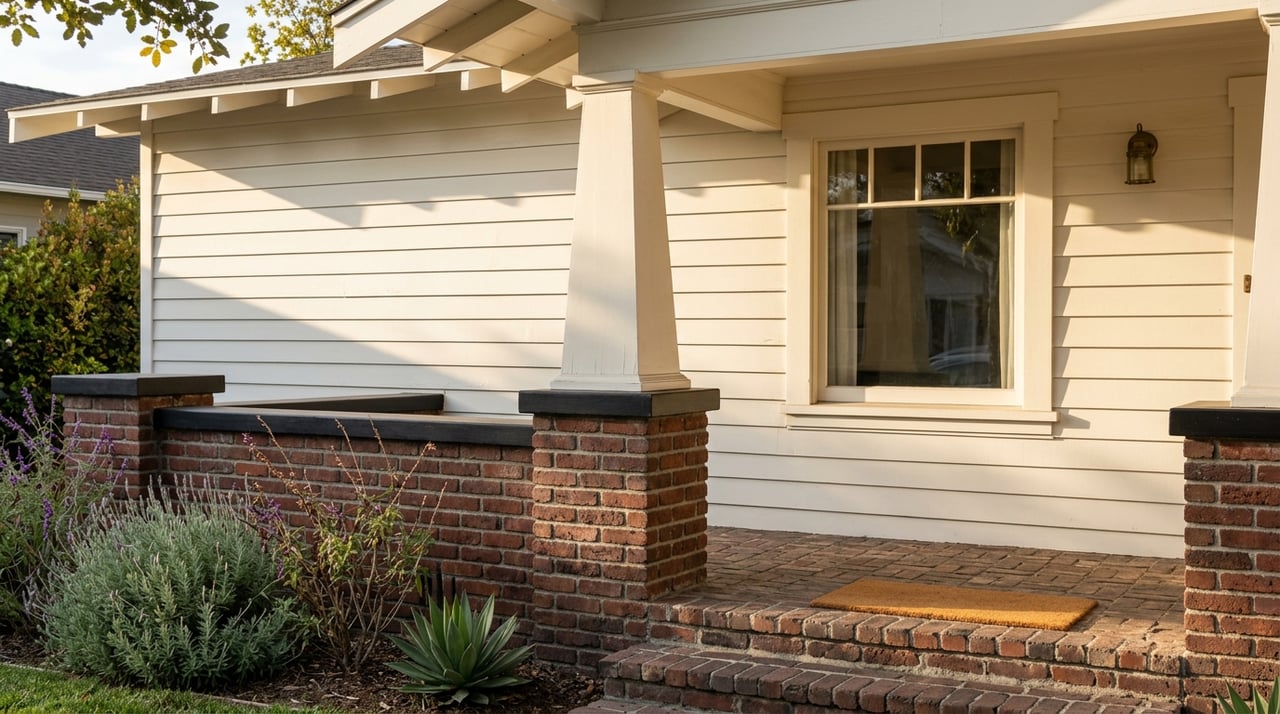
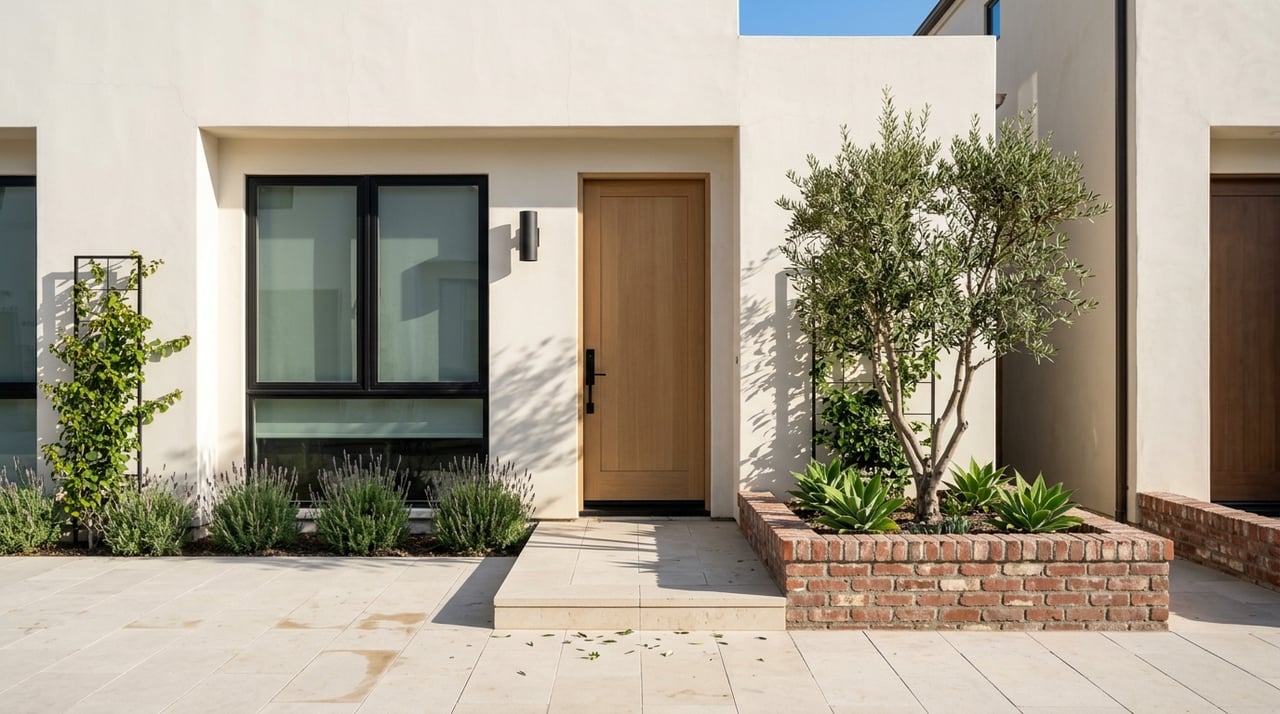
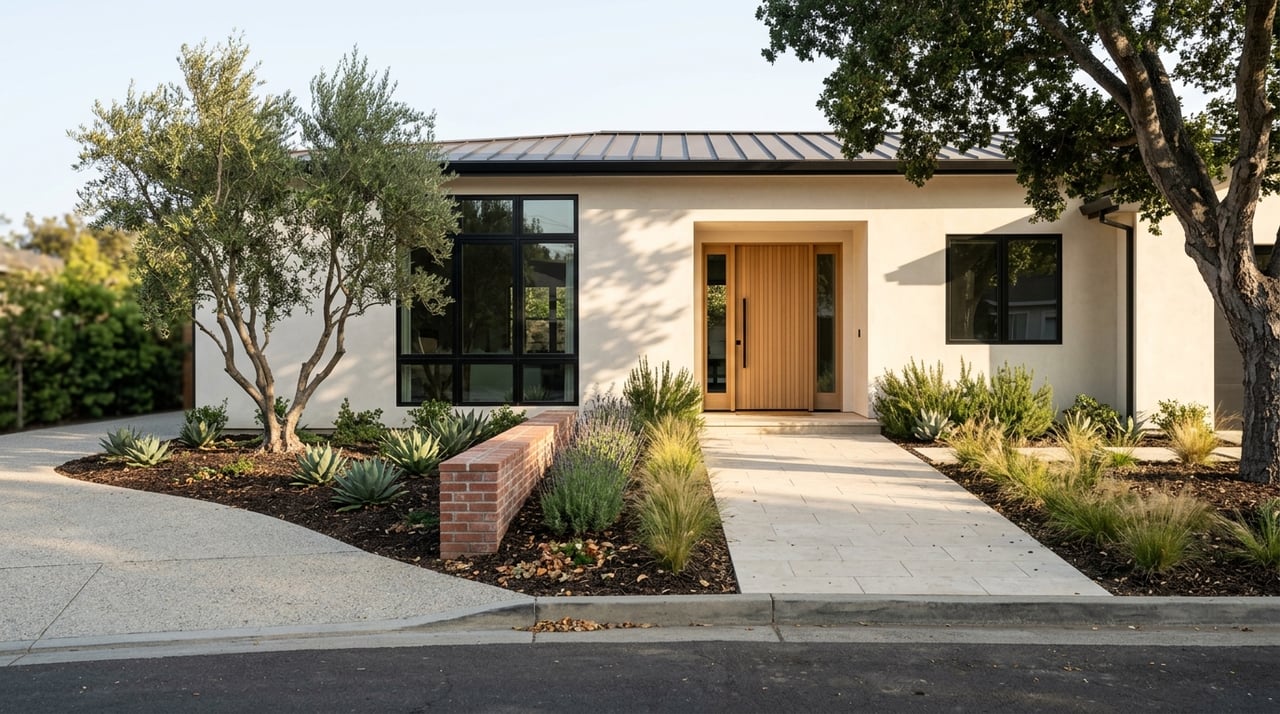
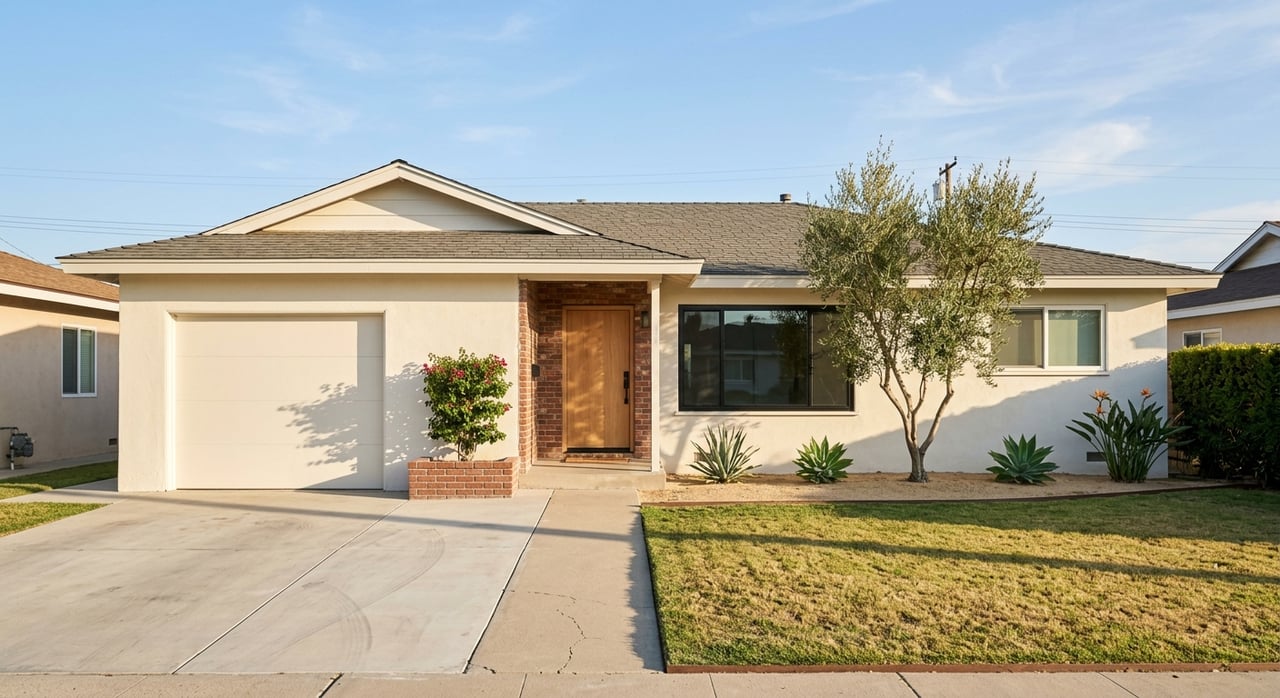
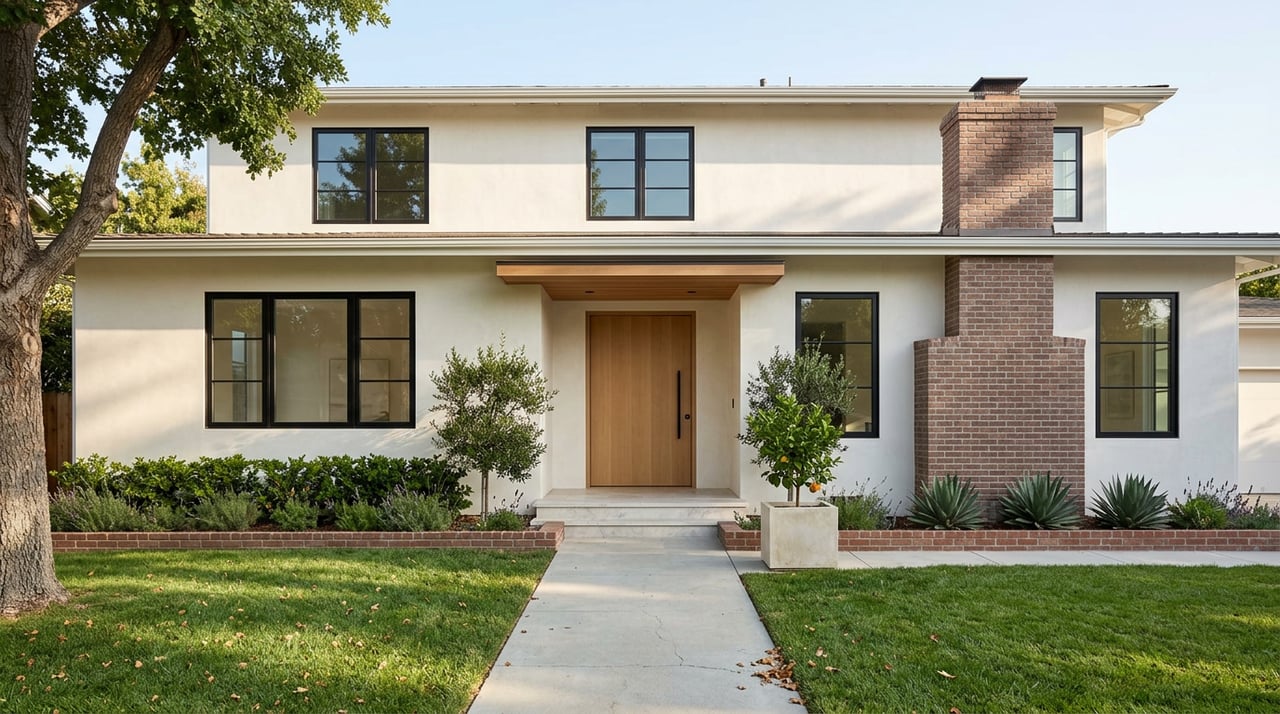
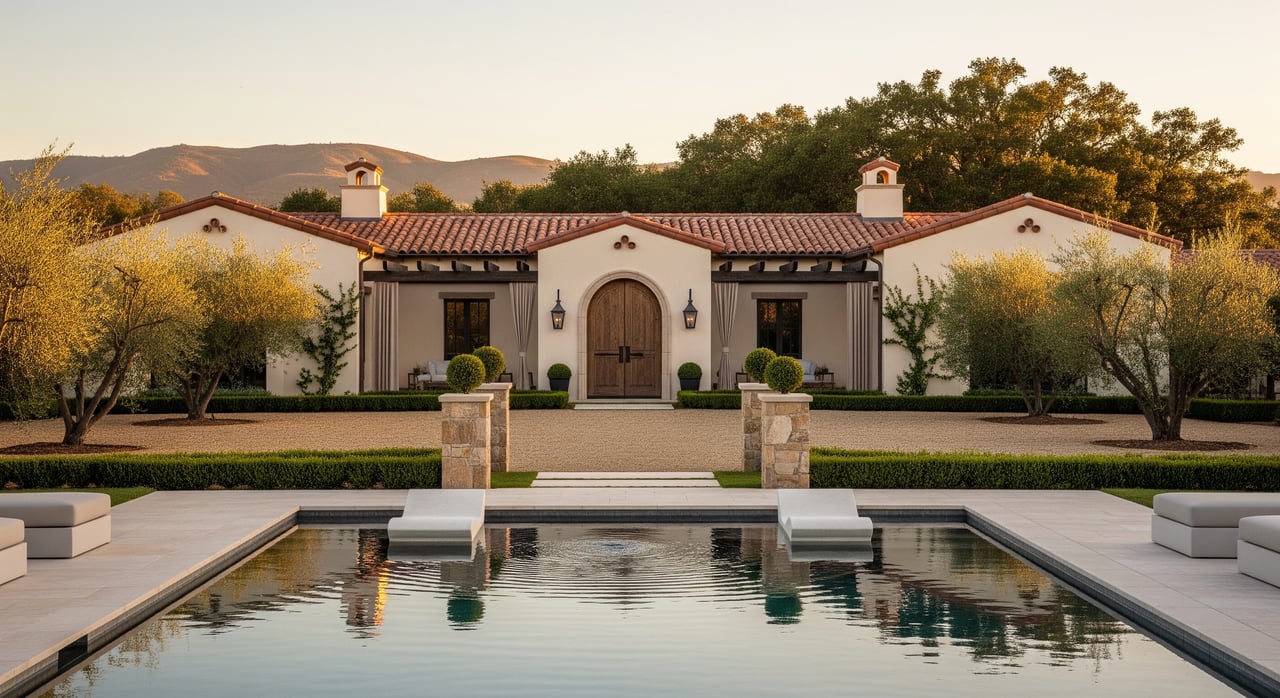
- Boost curb appeal fast: pressure wash, refresh house numbers, tidy planting, trim hedges, and repair walkway lighting. If budget allows, replace the garage door or entry door. Zonda’s latest Cost vs. Value analysis shows exterior projects leading recoup, especially in high-value West markets (Zonda Cost vs. Value summary).
- Stage key spaces and schedule professional photos and a virtual tour right after the visible work wraps. NAR reports that staging helps buyers visualize the property and can reduce time on market while increasing offers (NAR staging findings).
High-impact cosmetic: 4–12 weeks
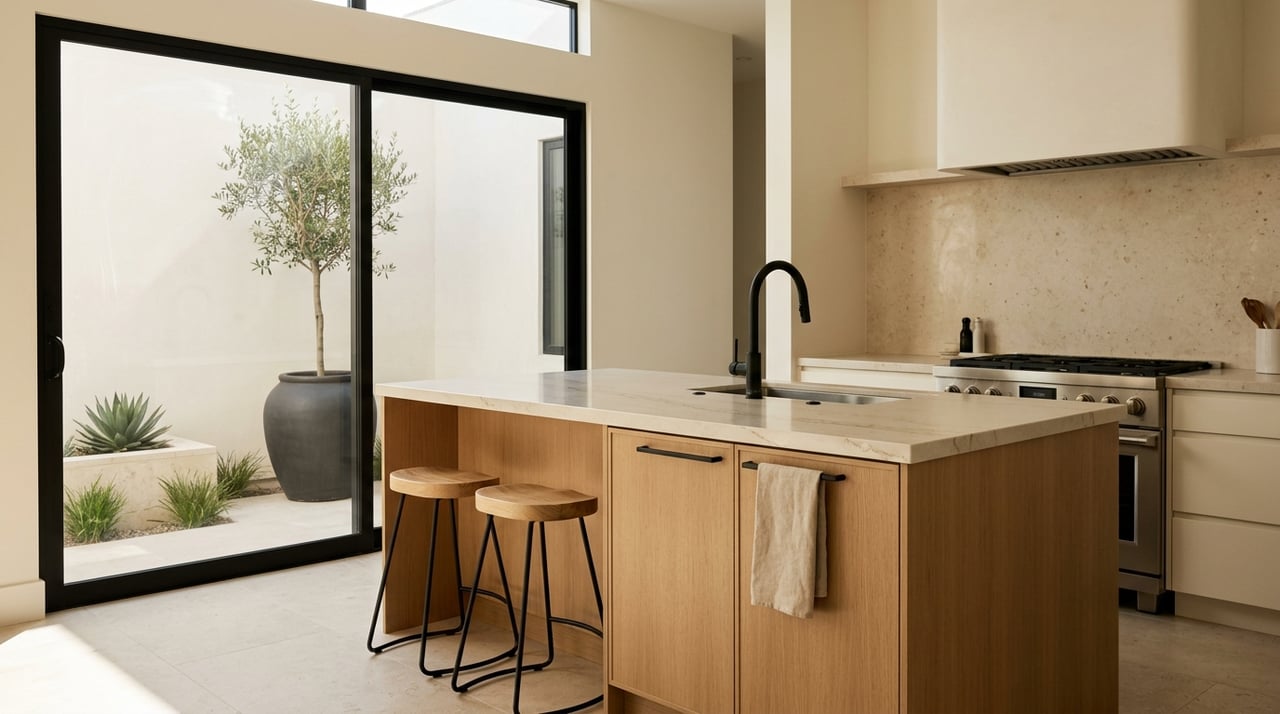
- Minor kitchen refresh: reface or refinish cabinets, install durable quartz or solid-surface counters, update the faucet and hardware, add LED lighting, and swap a dated appliance if needed. Cost vs. Value data show “minor kitchen” projects consistently outperform full luxury gut remodels for resale (Cost vs. Value summary).
- Midrange bathroom refresh: new vanity and countertop, modern lighting, fresh grout and caulk, and selective tile updates. These cues signal move-in readiness without over-customizing (Cost vs. Value summary).
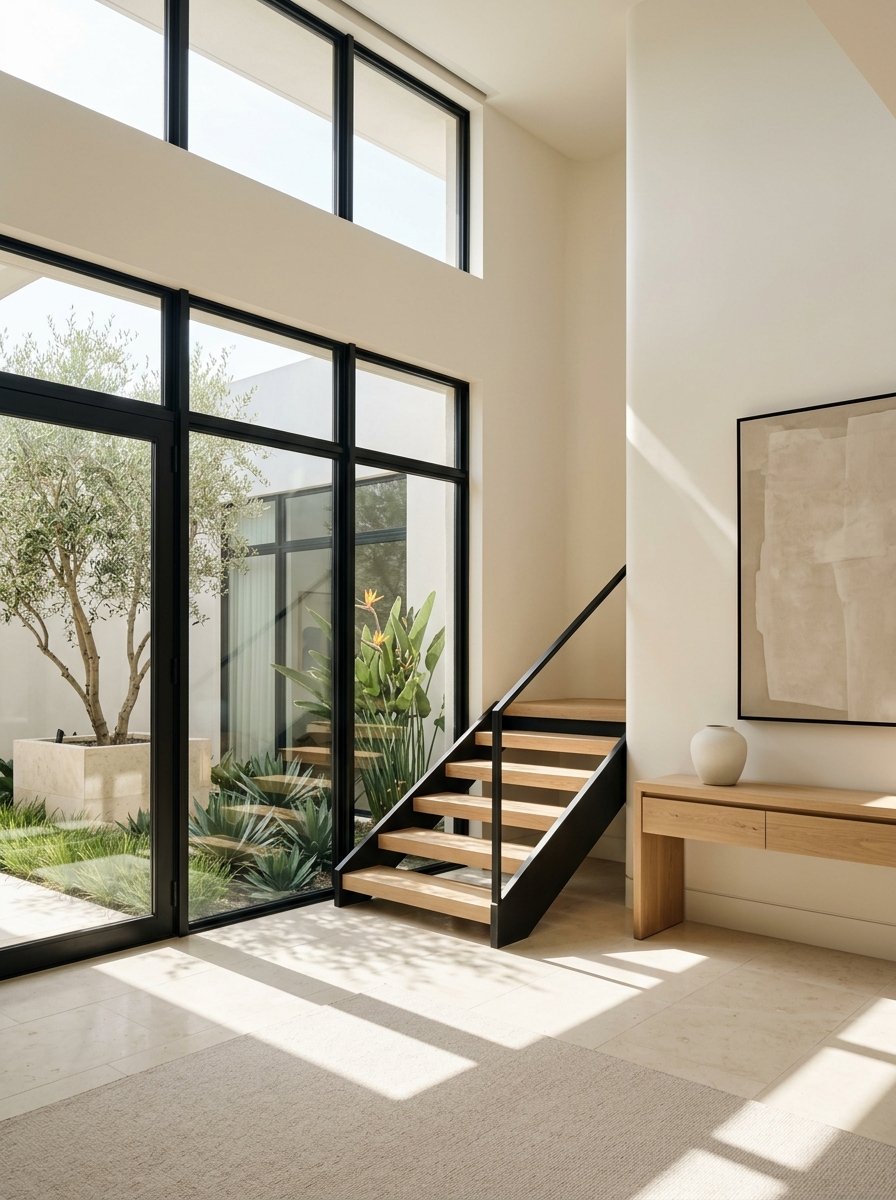
- Flooring and lighting: refinish original hardwood where possible or install consistent, midtone LVP in main living areas; update dated fixtures for a clean, cohesive look. These upgrades are often recommended in the NAR Remodeling Impact Report.
Outdoor living for larger lots: 6–16 weeks
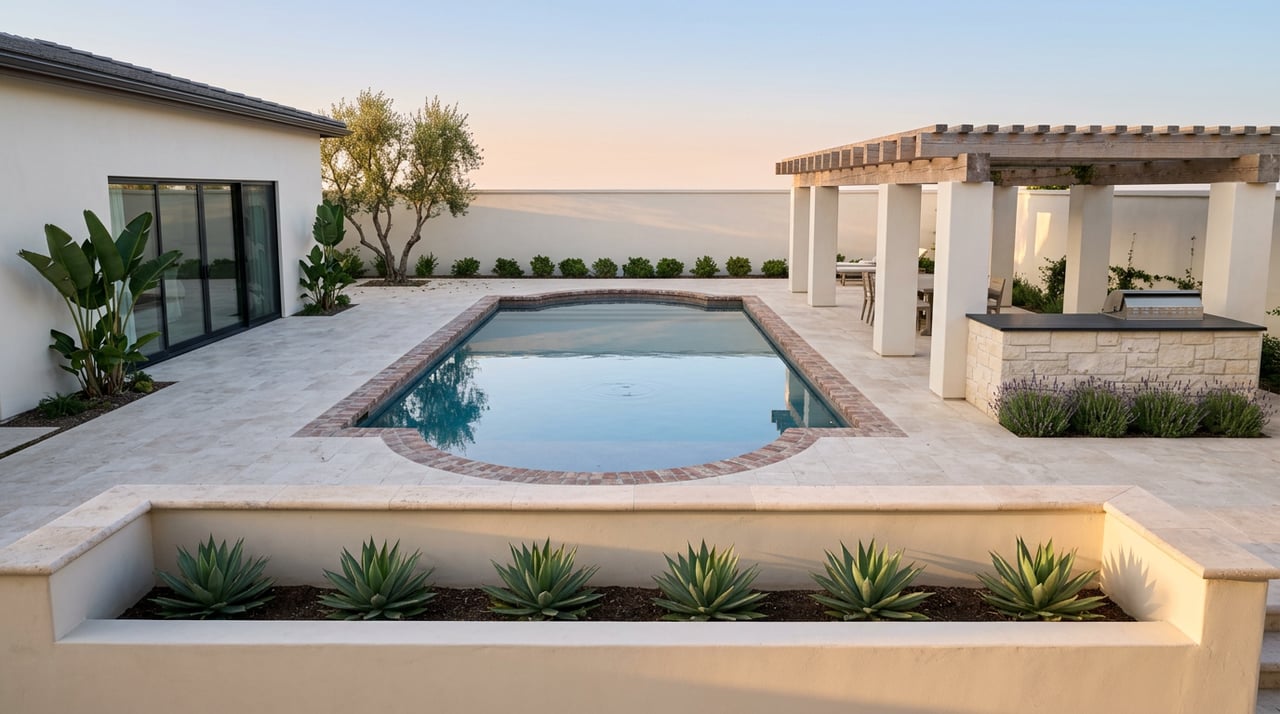
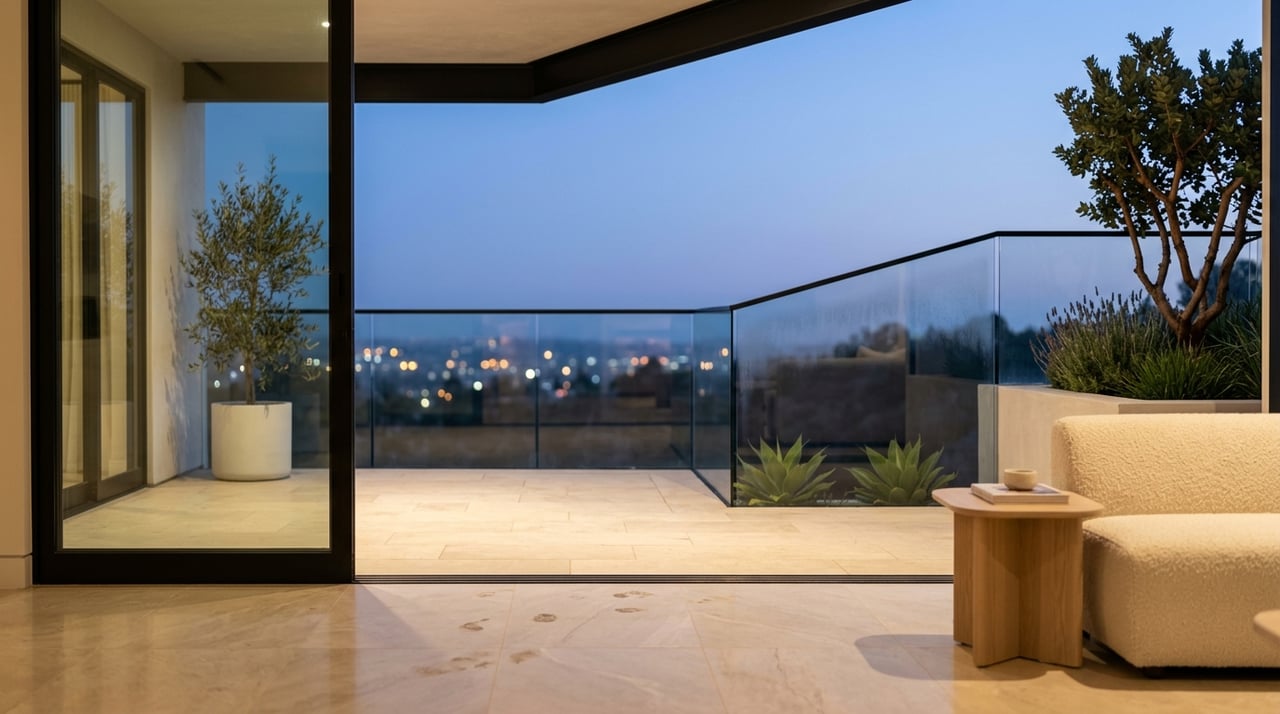
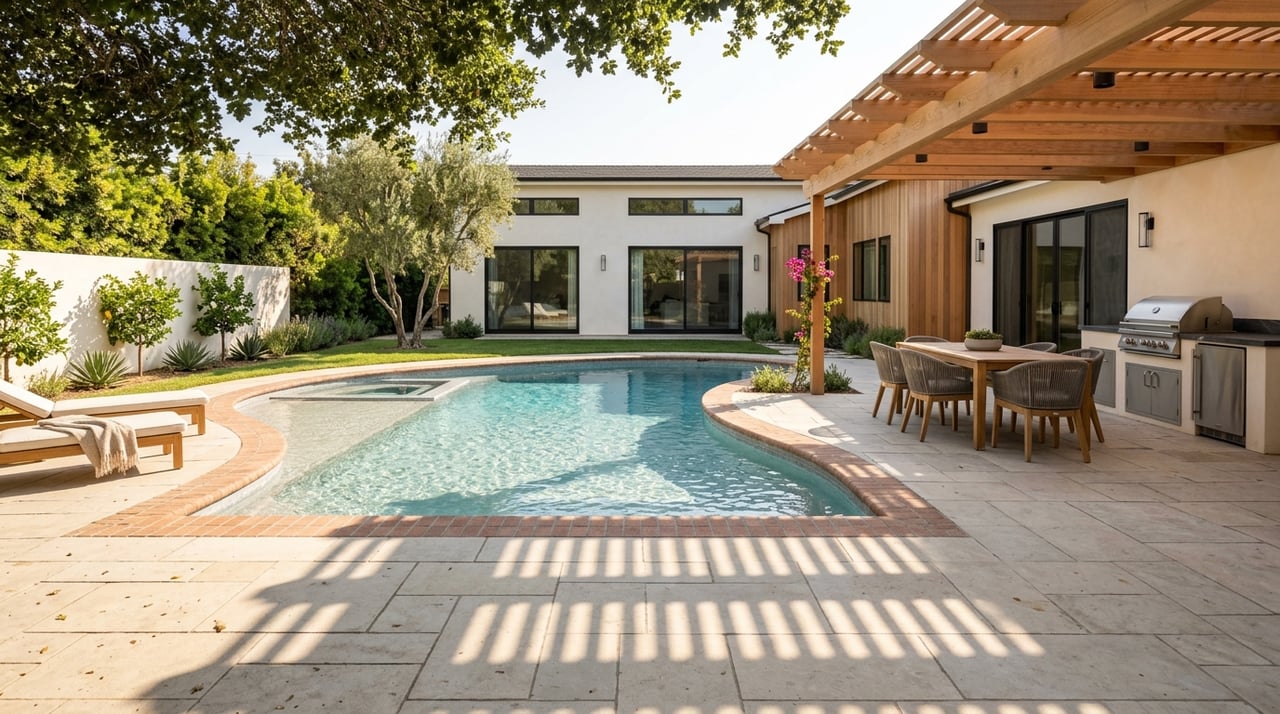
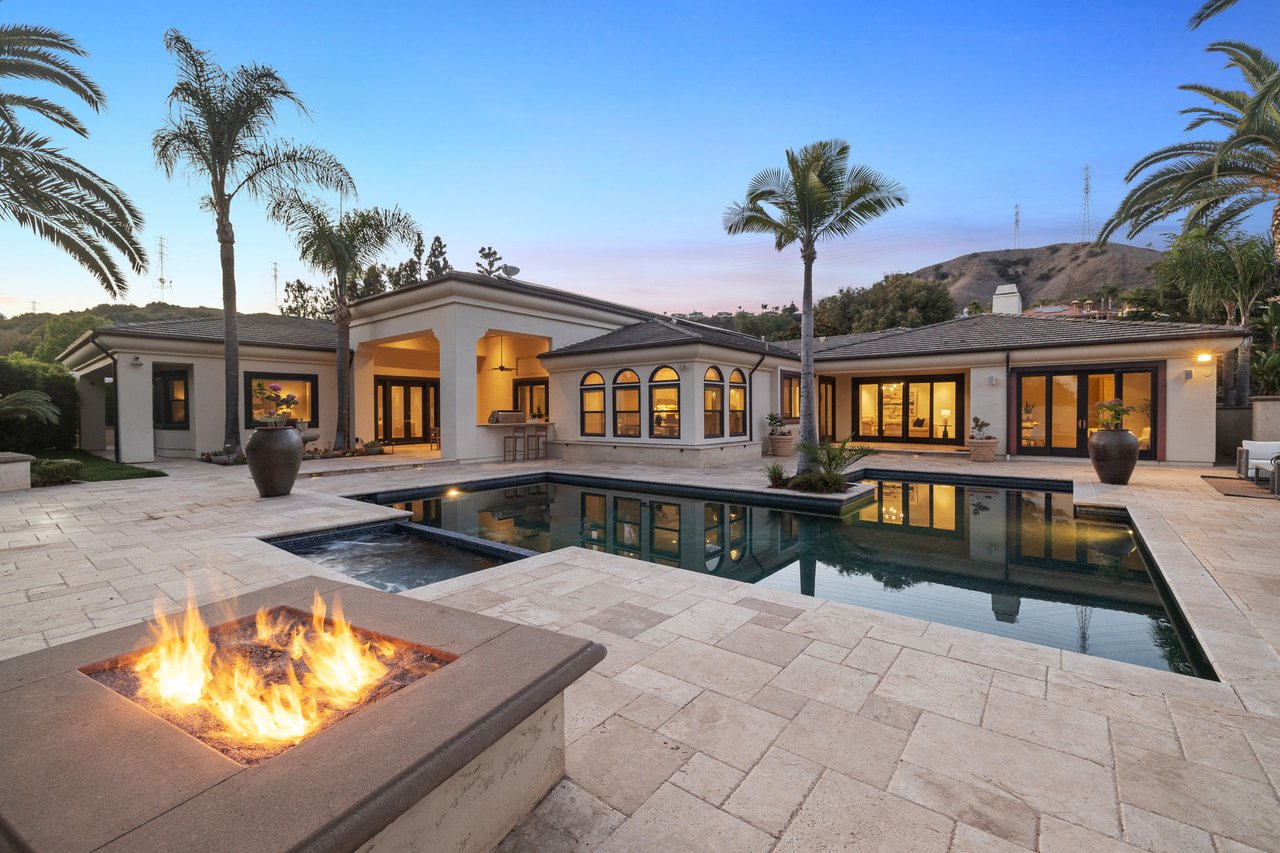
- Create or refresh a patio or deck, add durable hardscape for outdoor dining, and consider a simple covered seating zone or built-in grill if your lot supports it. Outdoor upgrades rank well for buyer appeal and resale in the West (Cost vs. Value summary).
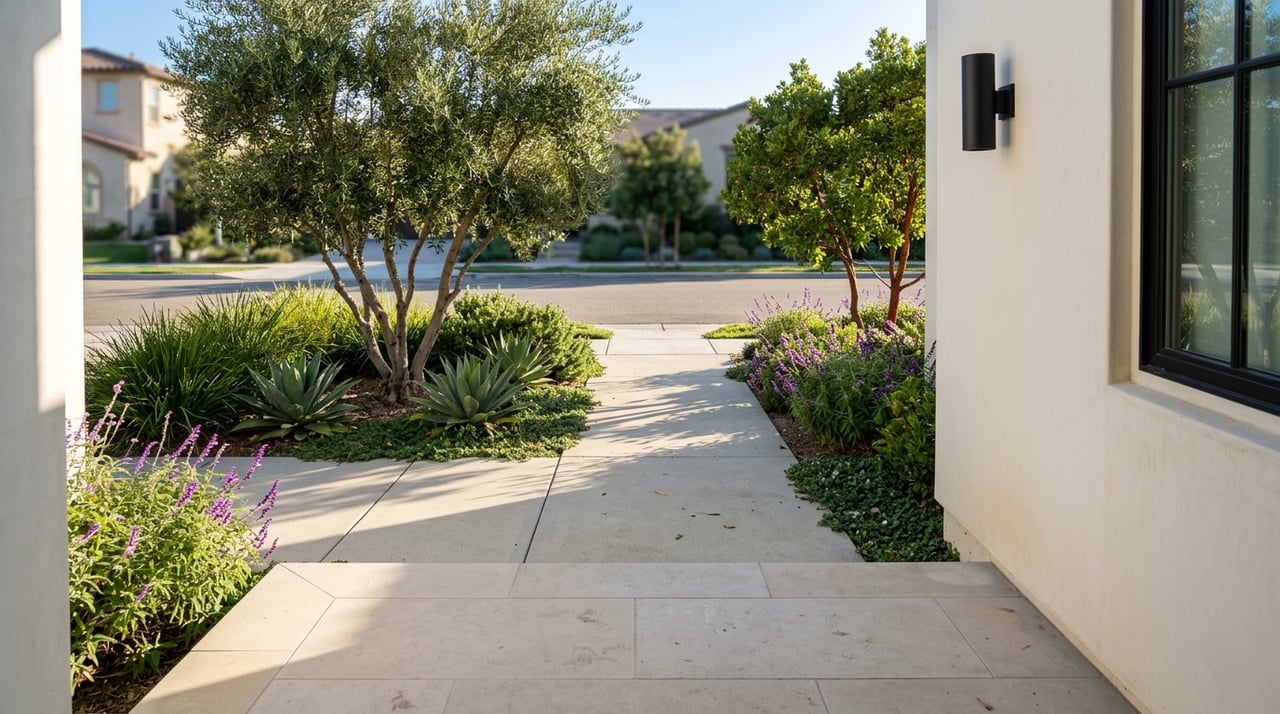
- Simplify landscaping with drought-tolerant choices, repair irrigation, and ensure clear sightlines from the kitchen and living spaces to the yard. NAR’s outdoor features report shows strong buyer interest in usable, low-maintenance yards (NAR outdoor features).
Conditional projects: 3–9+ months
- Light structural changes: add a bathroom or convert an underused area to living space only if nearby comps support a higher price band. Returns vary, so confirm demand with your agent and recent sales before committing. See the NAR Remodeling Impact Report for context on addition projects.
- Systems and major repairs: consider replacing the roof, upgrading HVAC, or addressing electrical issues primarily to remove buyer concerns flagged in an inspection. This can prevent large credits during negotiations. A pre-listing inspection helps you target only what matters (pre-listing inspection overview).
- Permits and scheduling: obtain permits early for structural or mechanical work. Villa Park publishes permit steps, inspection windows, and construction hours on its Building and Safety page. Build this timing into your launch date.
What to skip before you sell
- Full luxury kitchen or spa-bath gut remodels rarely pay back when you plan to sell soon. In high-value markets, modest, neutral updates often outperform expensive overhauls on recoup and market speed. Zonda’s Cost vs. Value analysis reinforces this pattern (summary).
- Overly personal or trend-heavy finishes can narrow your buyer pool. Aim for durable, timeless choices that photograph beautifully and feel move-in ready.
Budget and design guardrails
Set a ceiling with comps
Work with your agent to review 6 to 12 recent sales with similar lot size and finished square footage. Set a renovation ceiling so your total investment keeps you aligned with what buyers have recently paid nearby. In a small market like Villa Park, one or two outlier sales can skew averages, so stick to tight, like-kind comps.
Design rules that fit Villa Park homes
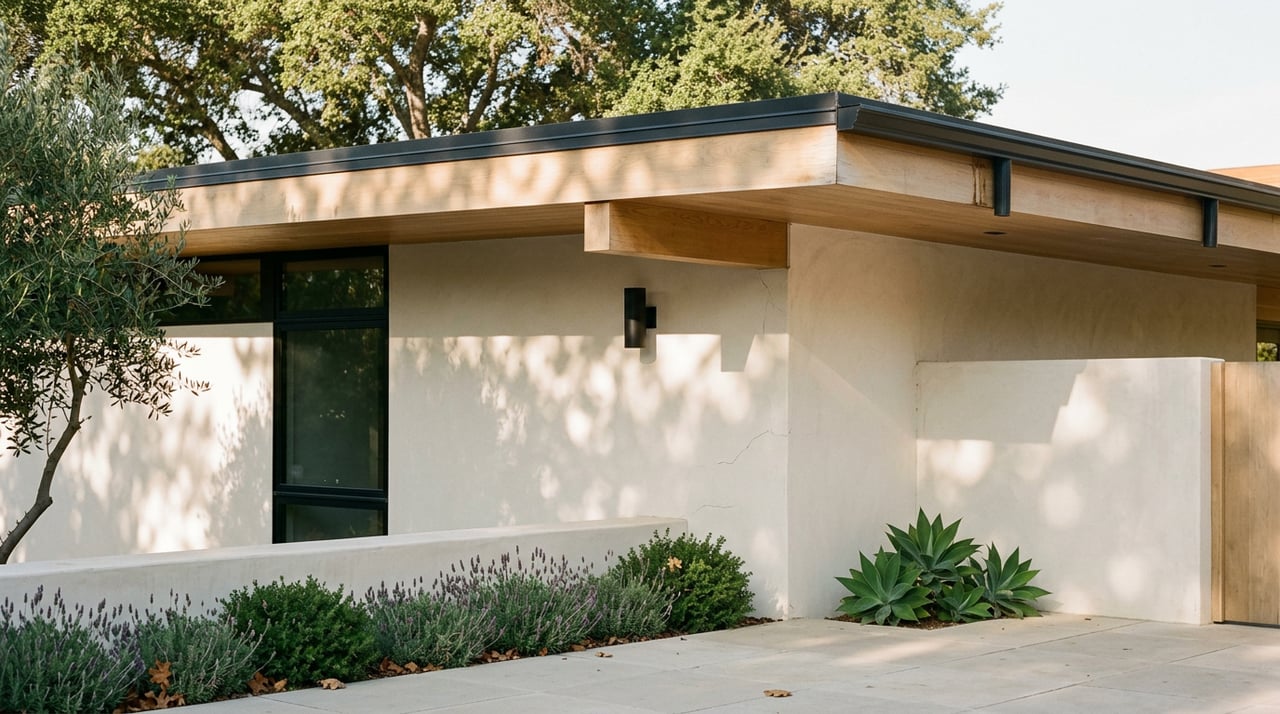
- Favor a warm modern or updated traditional look that respects midcentury and ranch bones.
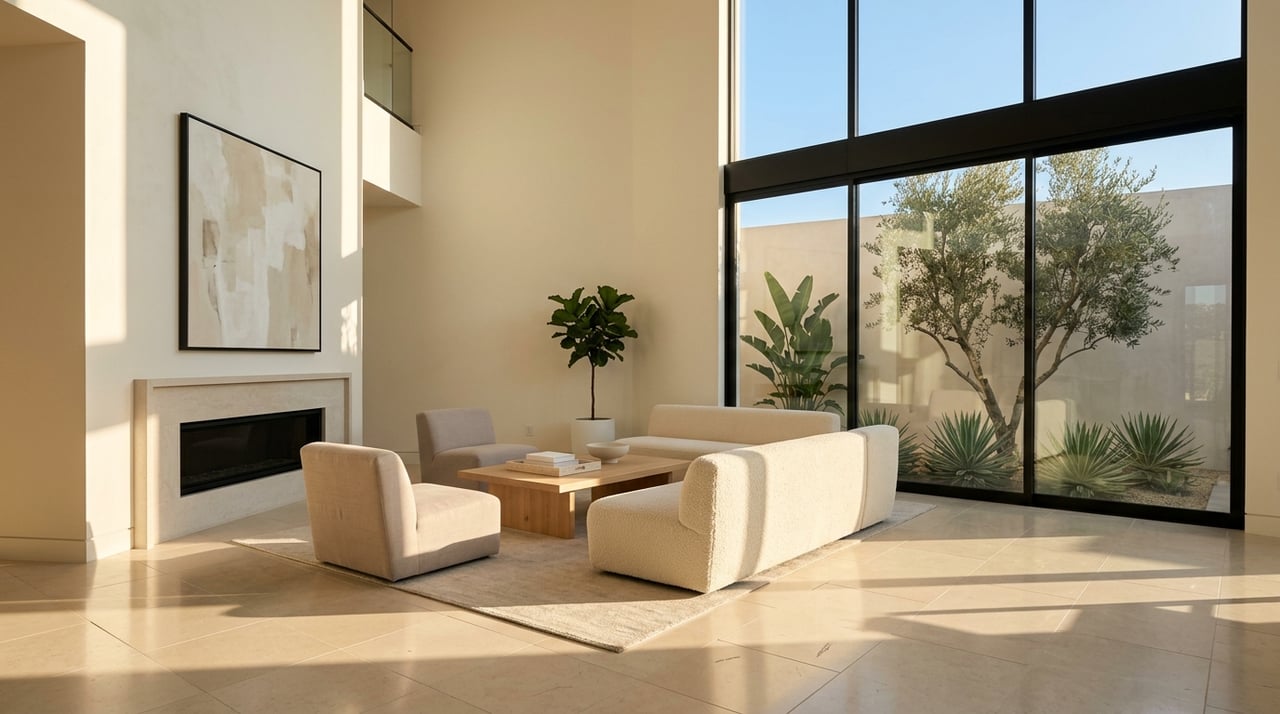
- Keep palettes neutral and cohesive across rooms. Use quartz or another solid-surface counter, midtone LVP or refinished hardwood, and matte-finish black or brushed hardware for a polished, current feel.
- Remove highly personalized finishes so buyers can see their style in the home. The NAR Remodeling Impact Report consistently supports neutral, move-in ready presentation.
Permits and timing
- Confirm whether your scope needs permits, including visible exterior changes. Review the city’s Building and Safety guidance early.
- Schedule around inspection windows and construction hours. Build a buffer for contractor lead times, materials, and surprise fixes.
Playbooks by timeline
If you plan to list in 6 months
- Knock out immediate triage: declutter, deep clean, interior paint, curb appeal, small repairs.
- Order a pre-listing inspection to target only must-do fixes that could derail escrow.
- Sequence a minor kitchen refresh and simple outdoor-staging updates.
- Book staging and pro photography once the visible work is complete so your photos capture the upgrades. NAR notes staged homes can sell faster and for more (NAR staging findings).
If you plan to list in 12–24 months
- Consider a covered patio, patio expansion, or hardscape to highlight indoor-outdoor flow.
- Plan a midrange bath refresh and consistent flooring throughout major spaces.
- Explore the city’s pre-approved ADU resources for feasibility and timing, if relevant to your lot and goals (Building and Safety page).
- Secure permits early and reserve contractors well ahead of your target market date.
Marketing that sells the work
Presentation matters. Stage the rooms that sell the home first, then invest in premium photography and a polished virtual tour. According to NAR’s staging research, many agents report 1 to 10 percent higher offers and shorter days on market for staged homes (NAR staging findings). Great marketing ensures every update pays off in your listing photos and buyer traffic.
Ready for a design-forward sale?
If you want a higher-confidence plan, bring in a partner who blends market strategy with design. With staging, renovation oversight, architectural input, contractor coordination, and premium visual marketing, you can move from to-do list to top-tier listing with less stress and more certainty. Start with a tailored consultation with Cindi Karamzadeh Real Estate + Design.
FAQs
Which pre-listing upgrades pay off best in Villa Park?
- Focus on curb appeal, minor kitchen and bath refreshes, and outdoor-living improvements. Zonda’s Cost vs. Value analysis shows exterior and modest interior projects often deliver the strongest resale impact in high-value Western markets (summary).
How much should I budget for a kitchen refresh before selling?
- A light-to-moderate refresh often falls in the 5 to 15 percent of home value range, depending on scope. Always set a ceiling using local comps, and include a 10 to 20 percent contingency for surprises (budget overview).
Do I need permits for common pre-listing projects in Villa Park?
- Many visible exterior and structural or mechanical updates require permits. The City’s Building and Safety page outlines permit steps, inspection windows, and construction hours. Plan this timing into your launch (permit guidance).
Are solar panels a selling point when I list?
- Owned systems can add value, while leased systems are more complex for buyers and lenders. Research from Lawrence Berkeley National Laboratory documents sale-price premiums for owned solar in multiple states (LBNL study).
Should I replace my roof or HVAC before listing?
- Only if an inspection shows issues that could cause buyer concern or big credits during negotiations. A targeted pre-listing inspection helps you decide which items are worth addressing before going live (pre-listing inspection overview).
When should I stage my home?
- Stage after high-impact visible work is complete so your photos capture the upgrades. NAR’s staging research links better presentation to faster sales and stronger offers (NAR staging findings).