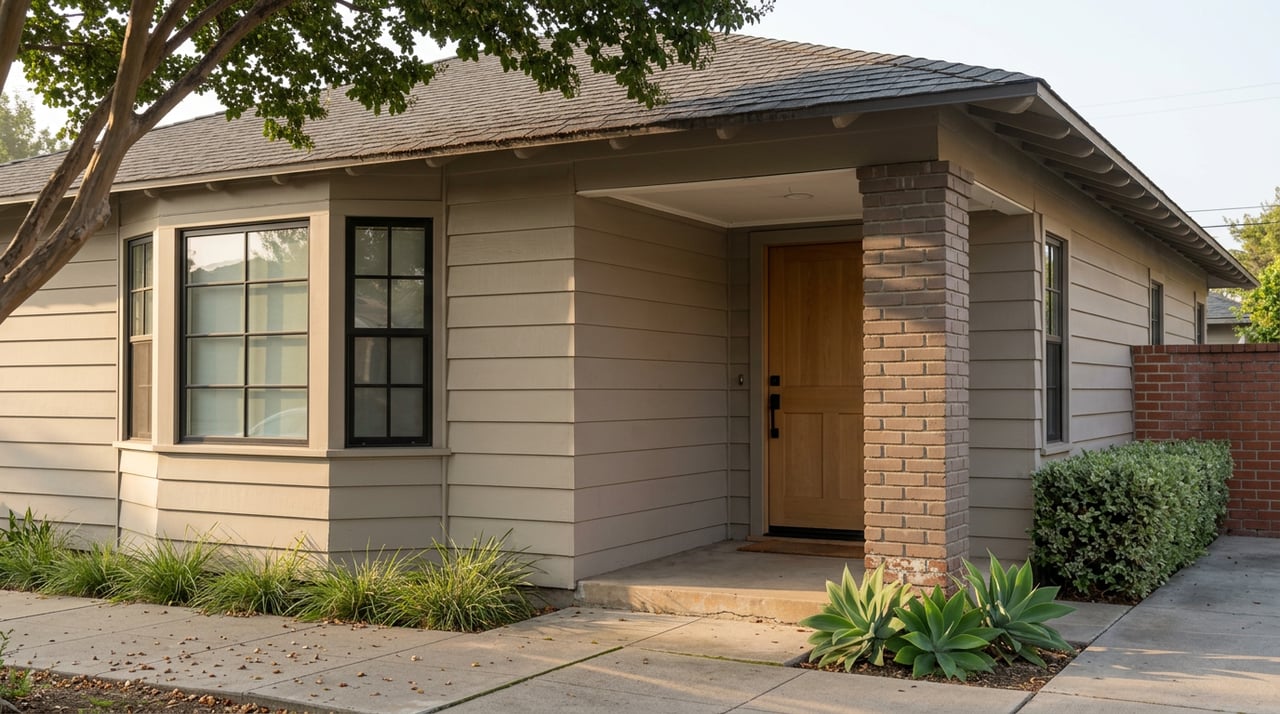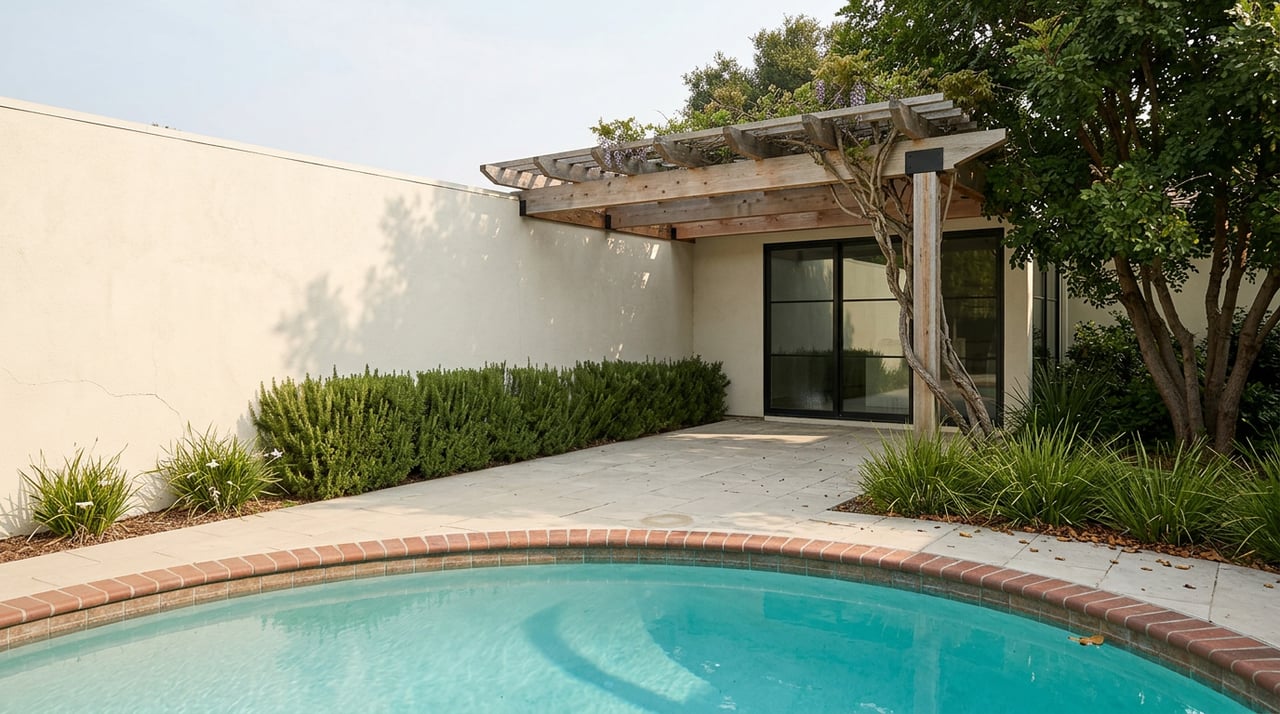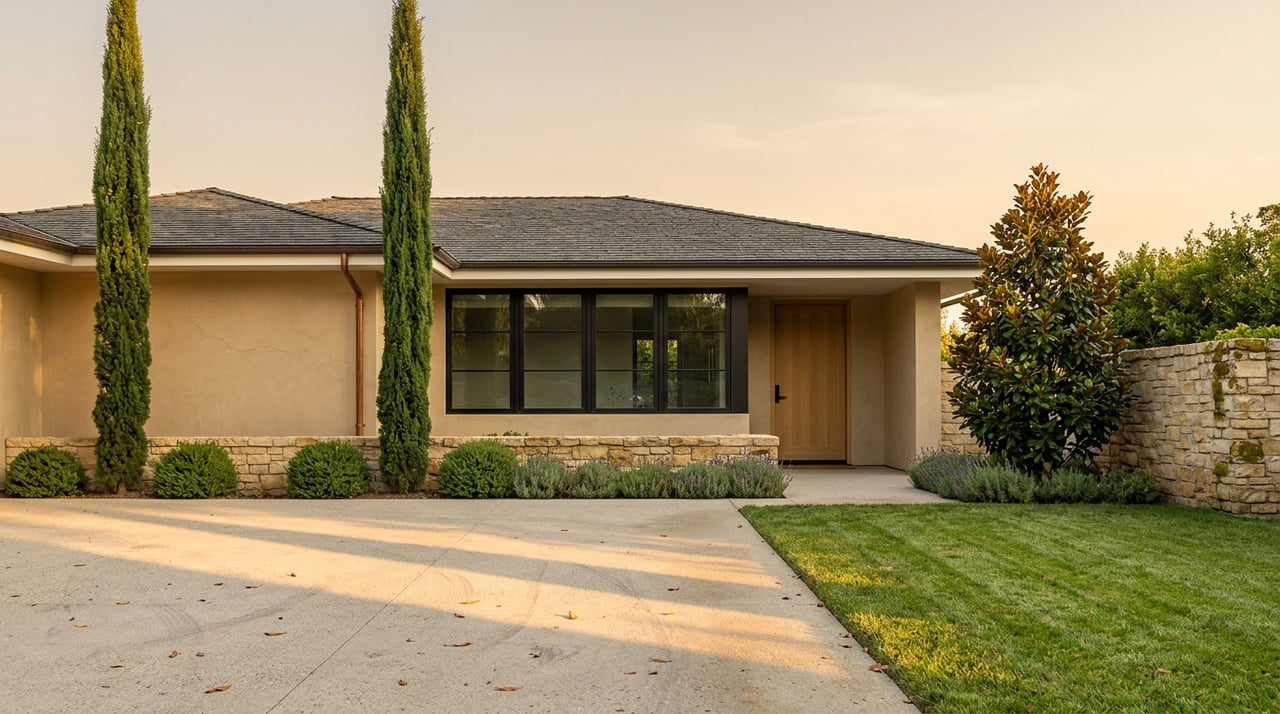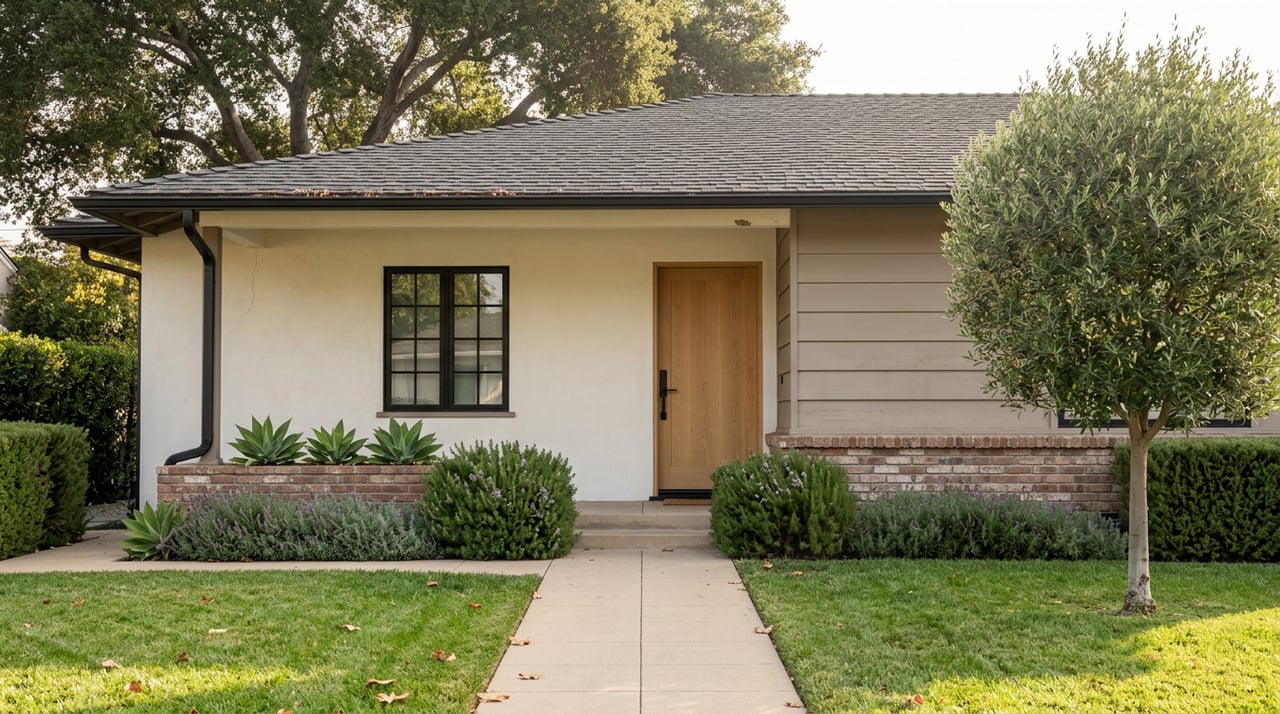
Selling a home in Villa Park rarely happens overnight, even in a market where well-positioned listings can attract strong attention. If you are thinking about selling, you probably want to know how long the process really takes, what can slow it down, and where your effort matters most. This guide walks you through a realistic Villa Park home selling timeline, from early prep to closing, so you can plan with more confidence. Let’s dive in.
What to Expect in Villa Park
Villa Park remains a relatively tight, higher-end market, but that does not mean every home sells instantly. According to Realtor.com market data for Villa Park, the median days on market is 39, with a median listing price of $3,288,000 and a 96% sale-to-list ratio. Redfin’s 92861 housing market page reports 69 median days on market and a 97.6% sale-to-list ratio.
Those numbers vary by source, but the bigger message is consistent. In Villa Park, your sale timeline is usually measured in weeks, not days. Some homes may receive multiple offers, but pricing, condition, and presentation still have a major impact on how quickly you move.
A Realistic Selling Timeline
If you want a practical planning window, it helps to think in phases instead of one single number. From preparation to recording, many Villa Park sales take several weeks, and financed transactions can stretch longer depending on the buyer’s loan and disclosure timing.
Here is a simple way to think about the process:
- Pre-listing prep: about 4 to 6 weeks
- Active listing period: often several weeks, depending on pricing and market response
- Escrow to closing: often 30 to 60 days for a financed sale
That means many sellers should plan for a full timeline that could span roughly two to three months, and sometimes longer, depending on the property and transaction details.
Weeks 4 to 6 Before Listing
The early prep phase usually gives you the most control over your outcome. This is when you set the pricing strategy, evaluate the home’s condition, and decide which improvements are worth doing before launch.
A strong first step is a listing consultation paired with a pricing discussion. During this stage, you can also review agency disclosure before signing the listing agreement, as outlined in the California Department of Real Estate reference materials.
For many Villa Park sellers, this is also the moment to decide between selective cosmetic work and larger repairs. The NAR 2025 Remodeling Impact Report found that 46% of buyers are less willing to compromise on home condition, and the projects REALTORS most often recommend before selling include painting the entire home, painting one room, and new roofing.
Weeks 2 to 3 Before Listing
Once you have a plan, the next phase is all about execution. This is usually the time for repairs, paint, deep cleaning, decluttering, and preparing the home to show at its best.
For most sellers, this is not about a full custom remodel. It is about targeted updates that improve condition, reduce distractions, and help buyers focus on the home itself. In a market like Villa Park, where inventory remains limited, those details can shape early buyer impressions.
A practical checklist for this stage includes:
- Touch-up or full interior paint where needed
- Repairing obvious deferred maintenance items
- Deep cleaning surfaces, flooring, and windows
- Removing excess furniture and personal items
- Organizing storage areas, garages, and closets
If your home needs renovation guidance or hands-on project coordination, this is also where a design-forward listing strategy can make a difference. The goal is to invest where buyers will notice it most.
Final Week Before Launch
The last week before your listing goes live is about presentation and marketing. By this point, repairs and staging decisions should already be complete so your visuals can reflect the finished product.
The NAR 2025 Profile of Home Staging found that 83% of buyers’ agents said staging made it easier for a buyer to visualize the home as a future home. The same report found that the living room, primary bedroom, and kitchen were the most important spaces to stage.
This final week often includes:
- Professional photography
- Video or virtual tour production
- Final staging adjustments
- Listing copy and launch materials
NAR also reported that photos, traditional staging, videos, and virtual tours were rated highly by agents. That supports a simple idea: if you want a faster, stronger launch, you need the home fully ready before the first buyer sees it online.
Listing Week and Showings
Once your home hits the market, the timeline becomes less predictable. This is the stage where buyers tour the property, agents share feedback, and you begin to see whether your pricing and presentation are resonating.
In Villa Park, this can move quickly for homes that are priced well and show beautifully, but you should still prepare for a process that unfolds over several weeks. Redfin notes that some homes receive multiple offers, while Realtor.com characterizes Villa Park as a seller’s market.
That does not mean you should expect every offer immediately. Instead, this phase is where you may weigh an early offer against broader exposure, compare terms, or decide whether a pricing adjustment is needed.
Offer Review and Acceptance
When offers come in, the fastest offer is not always the strongest one. Price matters, but so do financing terms, contingencies, timing, and the buyer’s overall ability to close.
This is also where the prep work pays off. Homes that enter the market with thoughtful pricing, strong visuals, and clean presentation are often better positioned to attract solid offers near list price. In Villa Park, where sale-to-list ratios remain close to asking price, that strategy can influence both speed and outcome.
Escrow Opens After Acceptance
After you accept an offer, the sale moves into escrow. According to the California Department of Real Estate, escrow usually opens when a fully executed purchase agreement is delivered to the escrow holder.
From there, the escrow holder typically orders the title search, prepares instructions, and works toward closing once all conditions are met. This period is where inspections, financing, disclosures, and other transaction details are handled.
California Disclosures Matter
Disclosure timing can directly affect your closing timeline. The DRE states that the Real Estate Transfer Disclosure Statement must be delivered as soon as practicable and before transfer of title.
If required disclosures are delivered after contract acceptance, the buyer may receive a right to terminate within three days if delivered in person or five days if mailed, according to the DRE disclosure guidance. For sellers, that means timely and complete disclosures are not just a formality. They help reduce avoidable delays.
Financing Can Extend the Timeline
If your buyer is using a mortgage, the loan process often controls the back half of the transaction. The Consumer Financial Protection Bureau says the Closing Disclosure must be delivered three business days before closing, and its guidance notes that mortgage closings can take several weeks.
CFPB data show a median of 44 days from mortgage application to closing. Rate locks are commonly offered for 30, 45, or 60 days, which helps explain why many financed escrows fall into that general range.
There is another timing issue to keep in mind. If a material loan term changes, the borrower may need a new three-business-day review period under CFPB disclosure rules. That means lender changes, appraisal issues, or revised loan terms can push closing back.
What Commonly Delays Closing
Even when a home goes under contract quickly, a few issues can extend the timeline. Most of them happen after the listing stage, which is why it helps to build some flexibility into your moving plans.
Common delay points include:
- Late or incomplete disclosures
- Inspection findings that trigger repairs or renegotiation
- Appraisal issues
- Loan underwriting changes
- Revised closing documents that restart review periods
The key takeaway is simple. A fast contract does not always mean a fast closing, especially when financing is involved.
Closing Day and Recording
Closing is not official until all conditions are met and the transaction records. According to the California DRE’s escrow information for consumers, escrow releases funds and records the documents only after all instructions and conditions are satisfied.
That recording step is when the home officially changes hands. Until then, your transaction is still in process, even if you have already signed your final paperwork.
How to Keep Your Sale on Track
The most effective way to shorten your Villa Park selling timeline is to focus on the parts you can control before launch. That means realistic pricing, thoughtful repairs, strong staging, complete disclosures, and polished marketing from day one.
For design-conscious sellers, this is where a more hands-on approach can create real value. Strategic updates, contractor coordination, staging direction, and premium visuals can help your home enter the market in a way that feels intentional and competitive.
If you are planning to sell in Villa Park and want a design-forward strategy built around timing, presentation, and resale value, connect with Cindi Karamzadeh Real Estate + Design for a tailored consultation.
FAQs
How long does it take to sell a home in Villa Park?
- A realistic timeline is several weeks from prep to closing, with current market data showing about 39 to 69 median days on market depending on the source, plus time for pre-listing work and escrow.
Should you stage a Villa Park home before listing?
- Yes, at least selectively. NAR’s 2025 staging report found that staging helps buyers visualize the home, with the living room, primary bedroom, and kitchen standing out as the most important rooms.
Do you need to remodel before selling a Villa Park house?
- Usually, targeted improvements matter more than a full renovation. Paint, repairs, and visible condition issues often deserve attention first based on NAR’s 2025 remodeling data.
What can delay a home sale in California after you accept an offer?
- Late disclosures, inspection issues, appraisal problems, and loan changes can delay closing, and some disclosure or loan changes may create additional buyer review periods.
When is a Villa Park home sale officially closed?
- The sale is officially complete when escrow has satisfied all conditions, released funds, and recorded the documents.