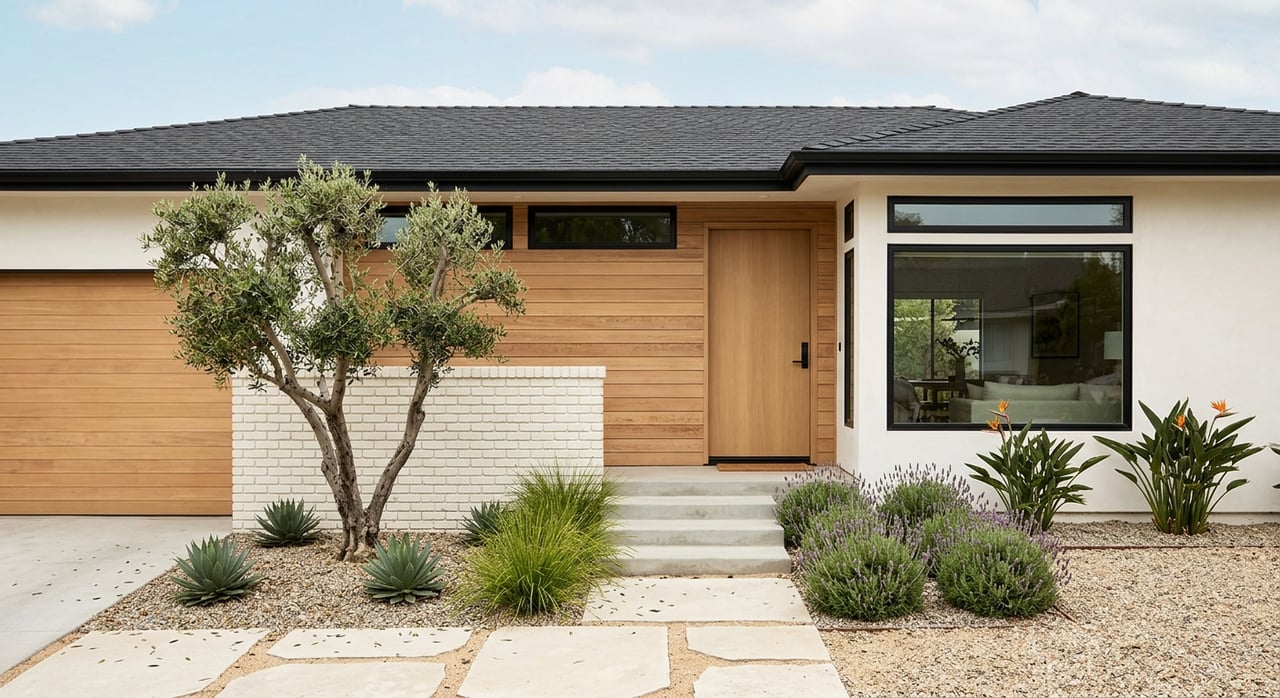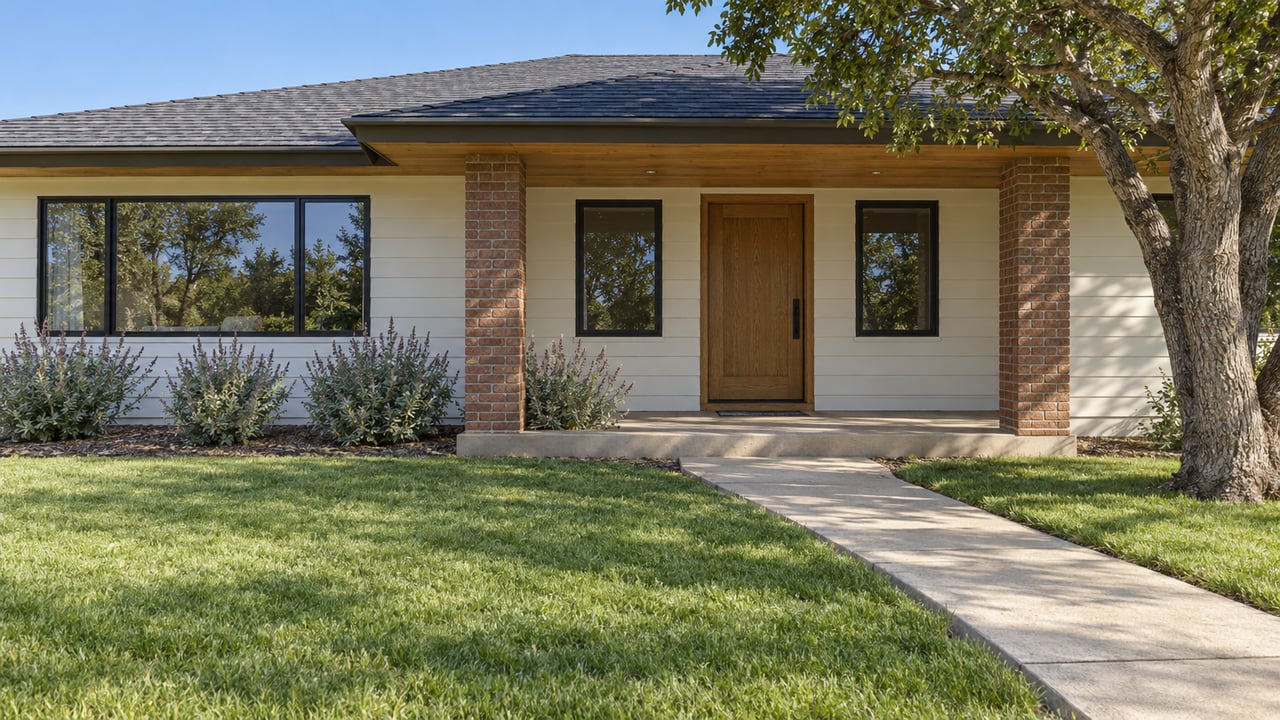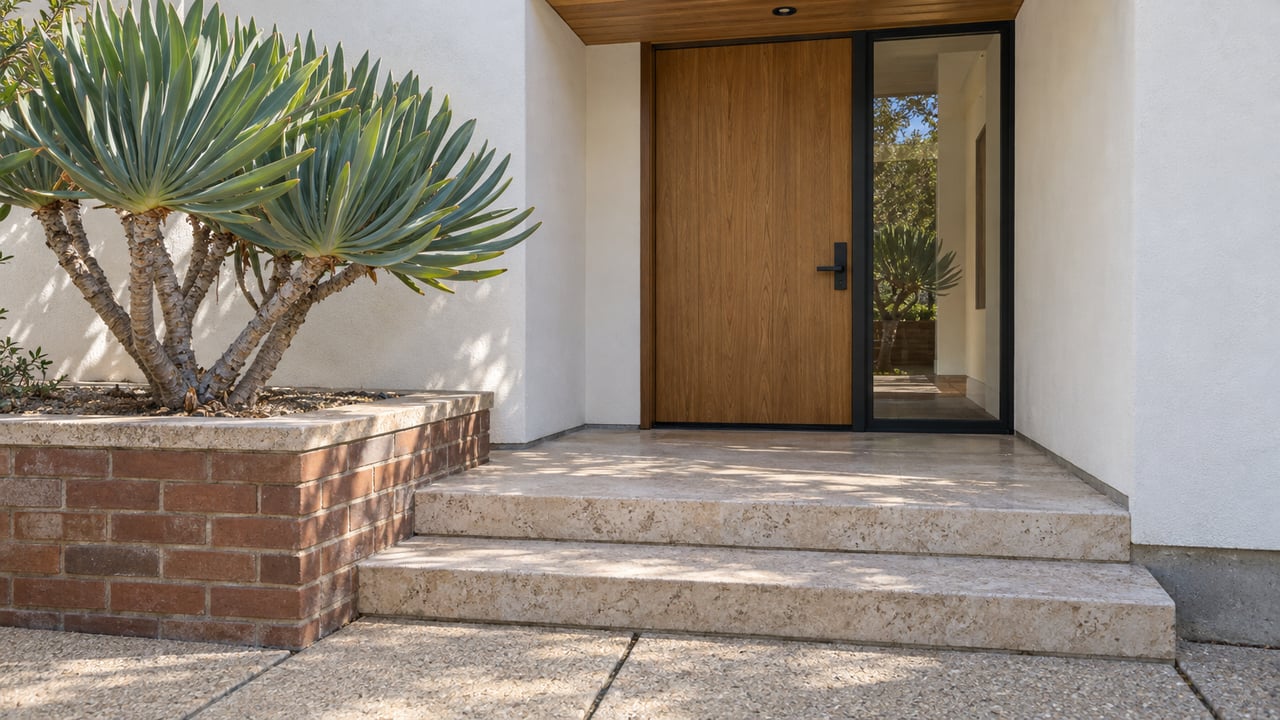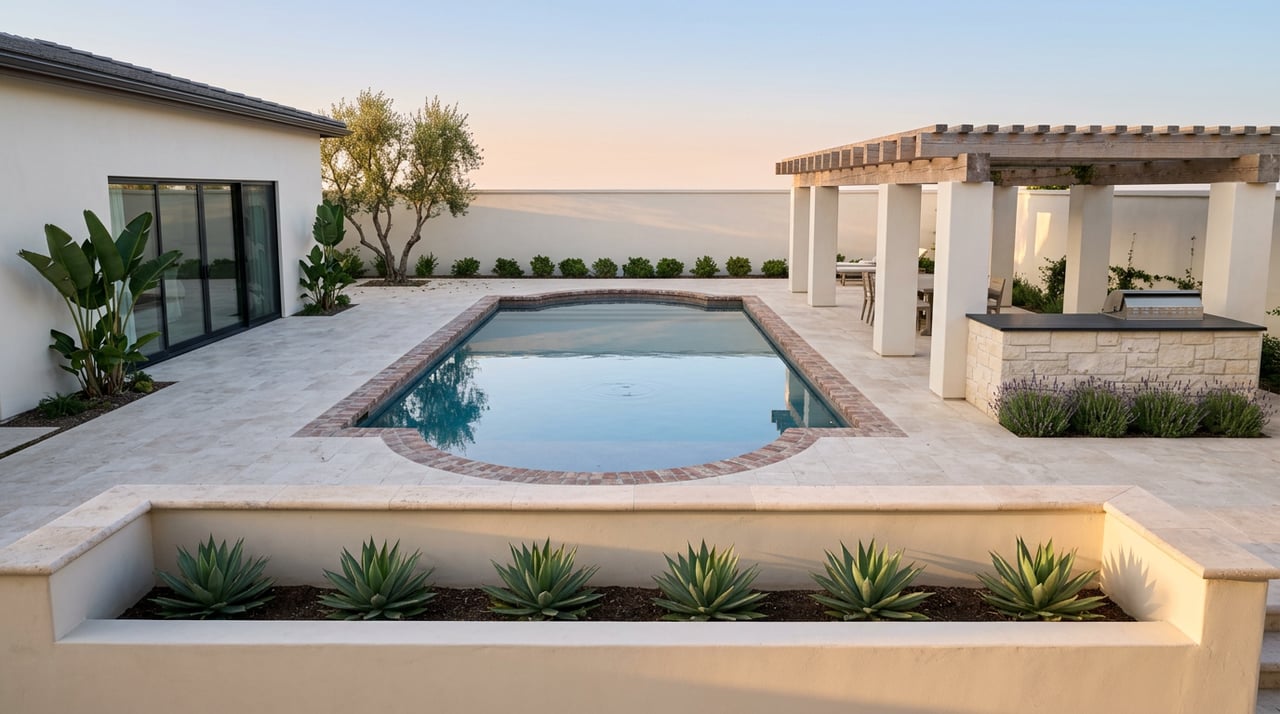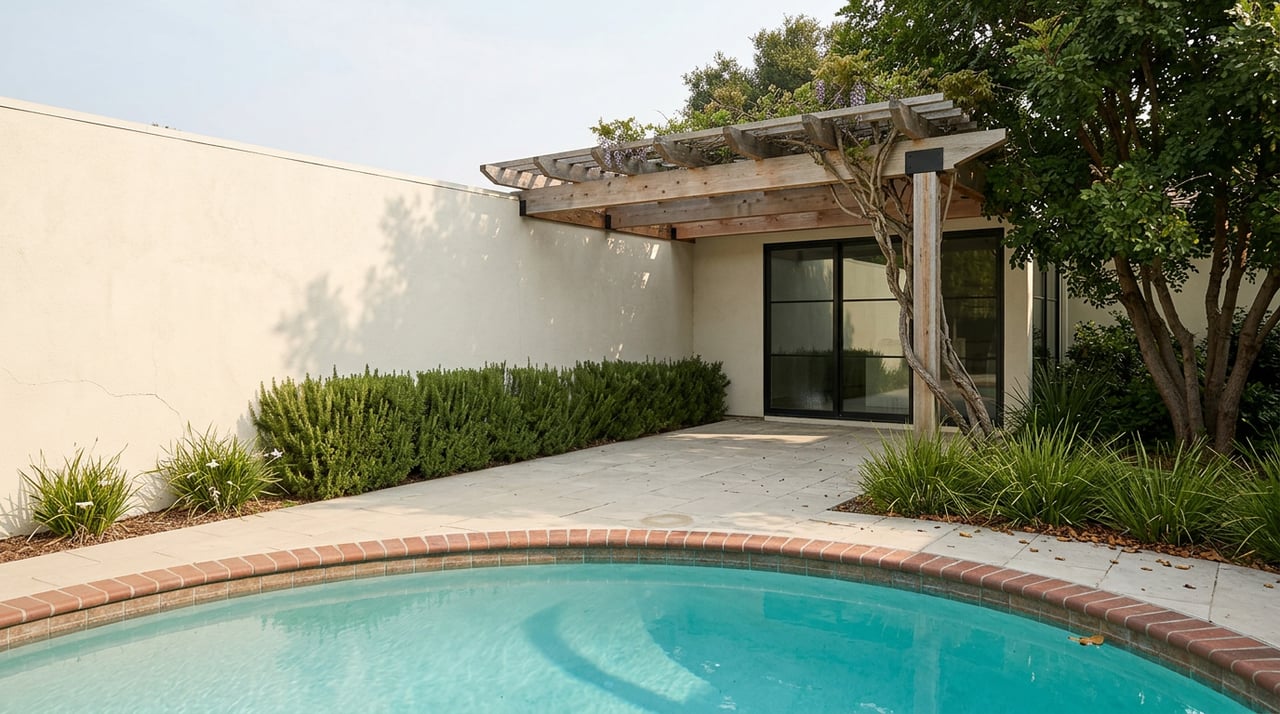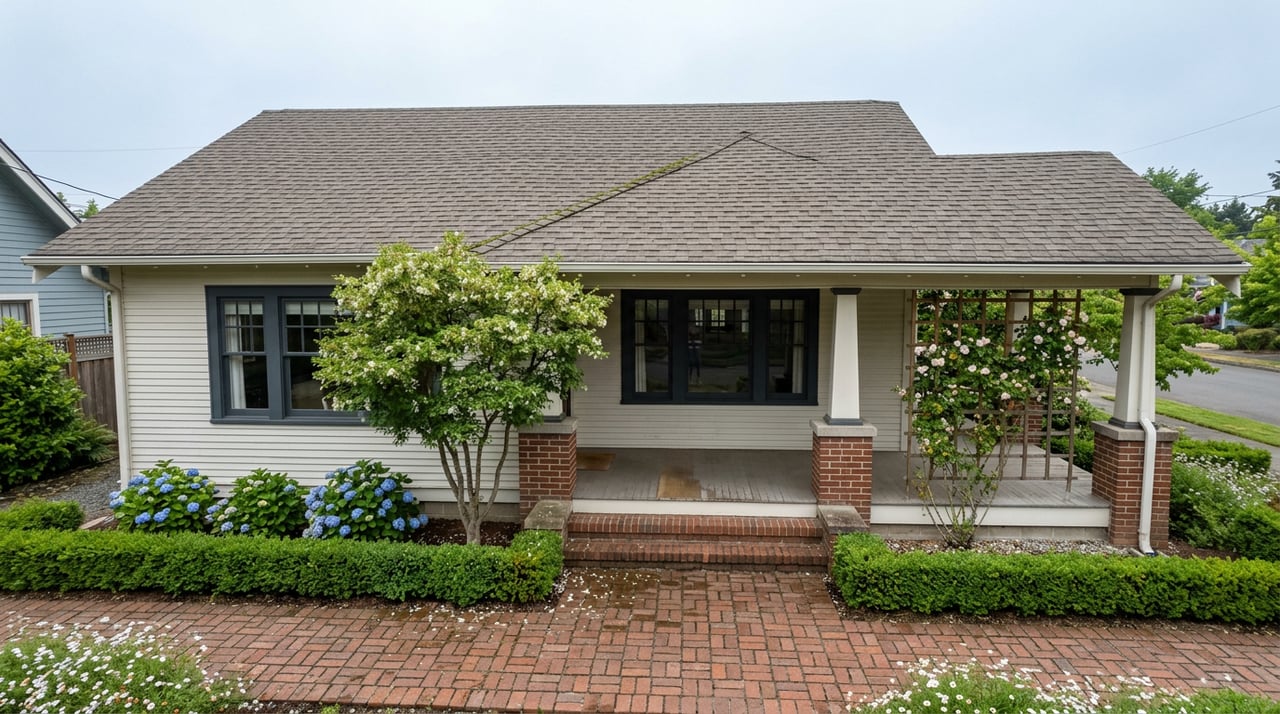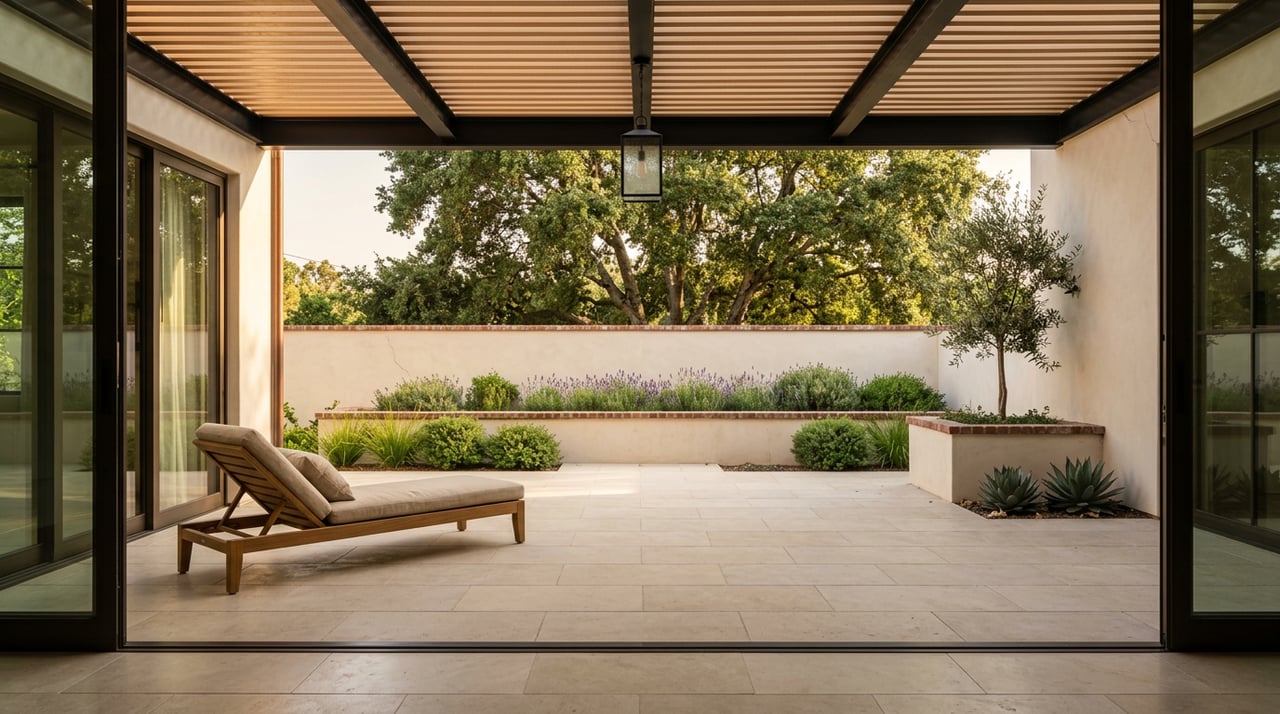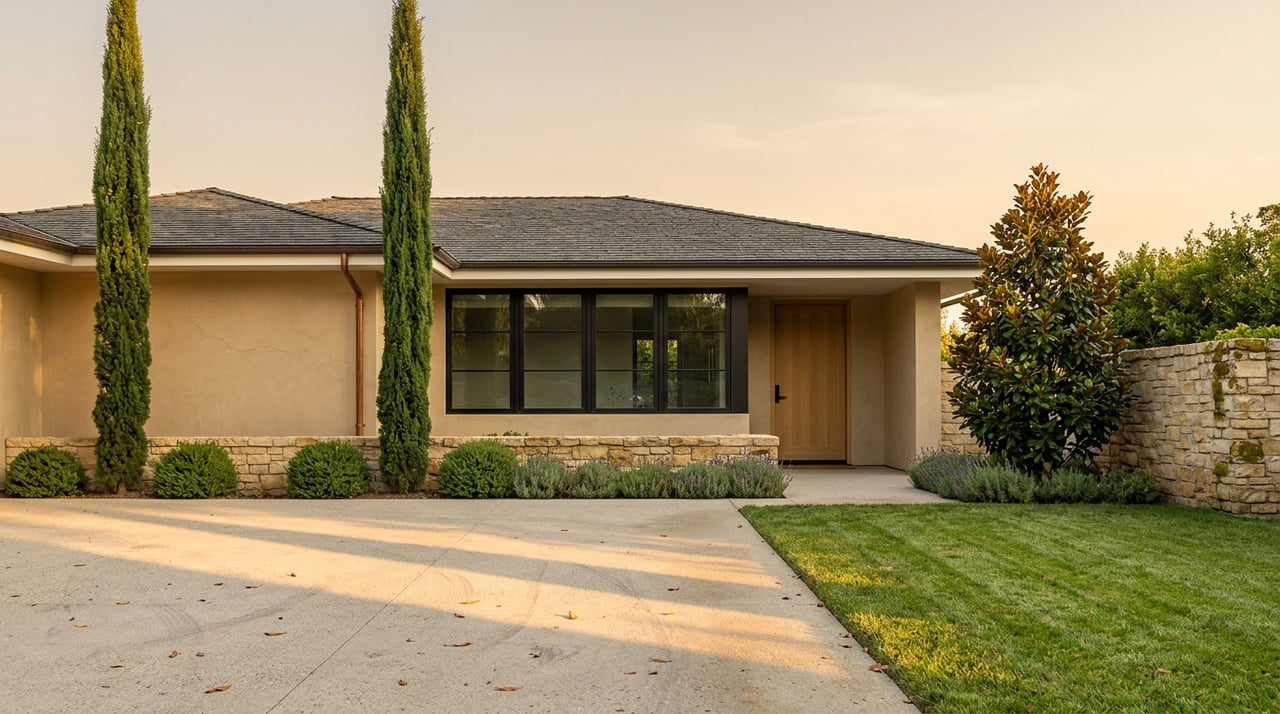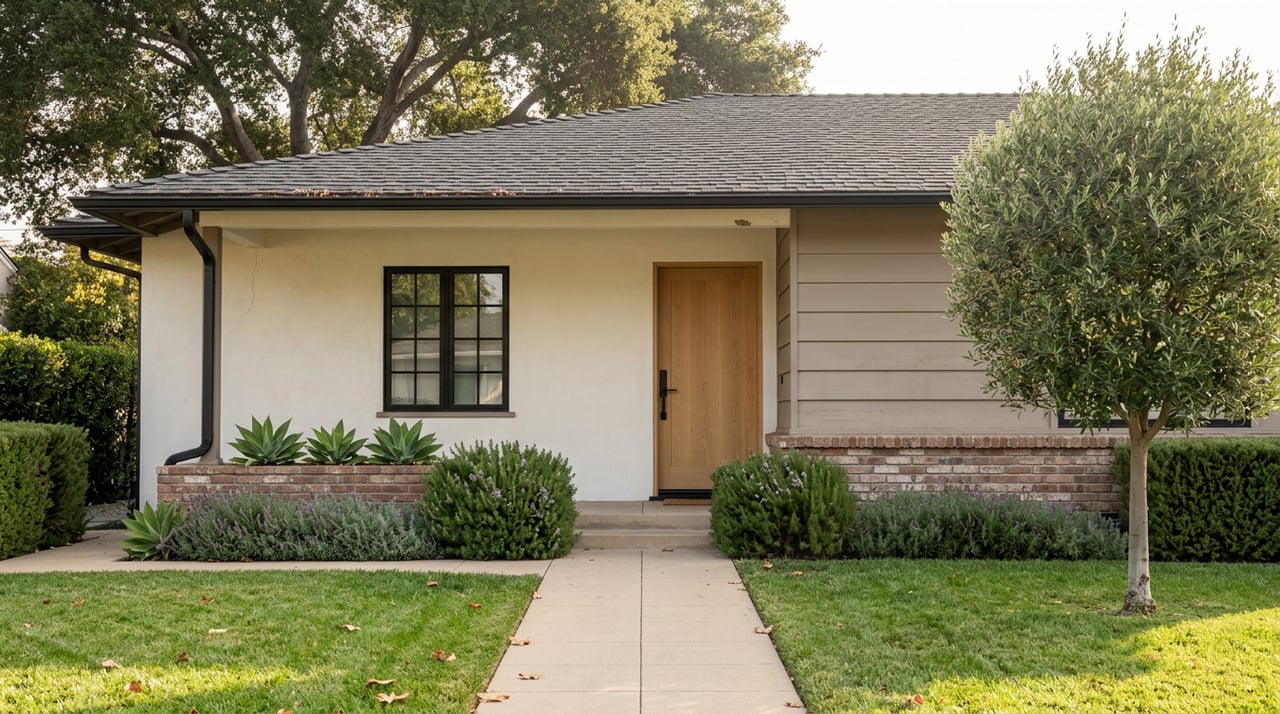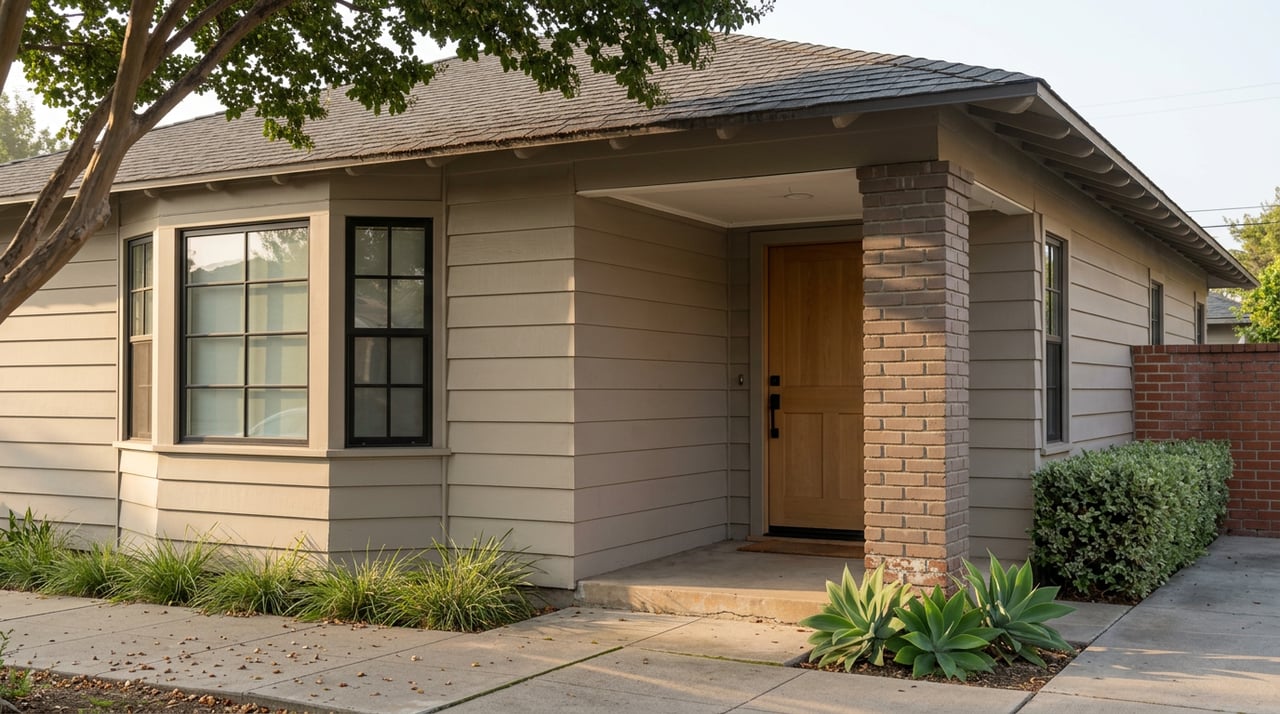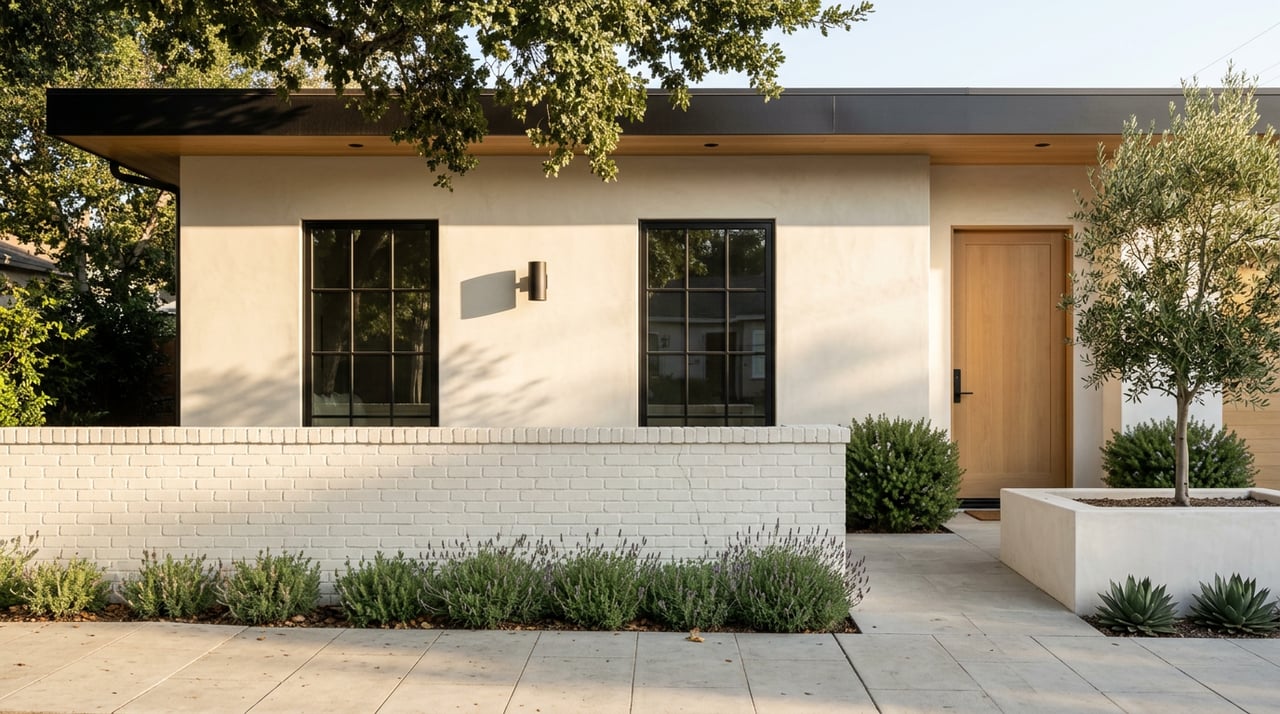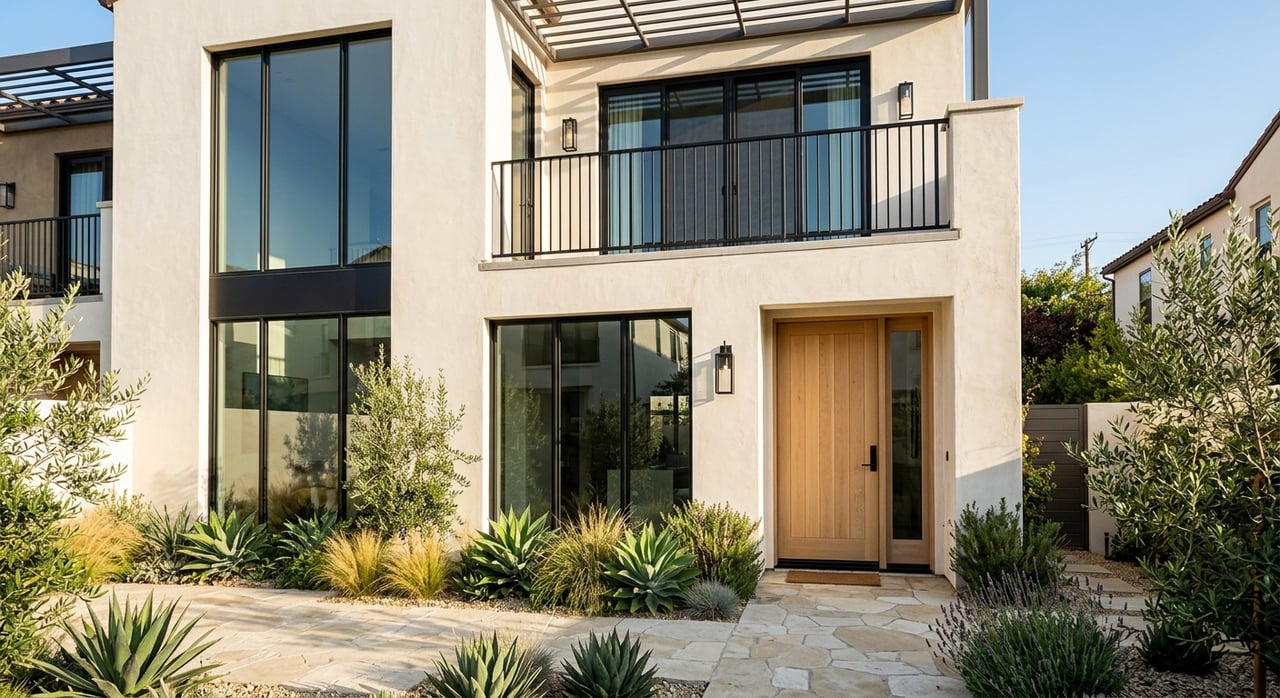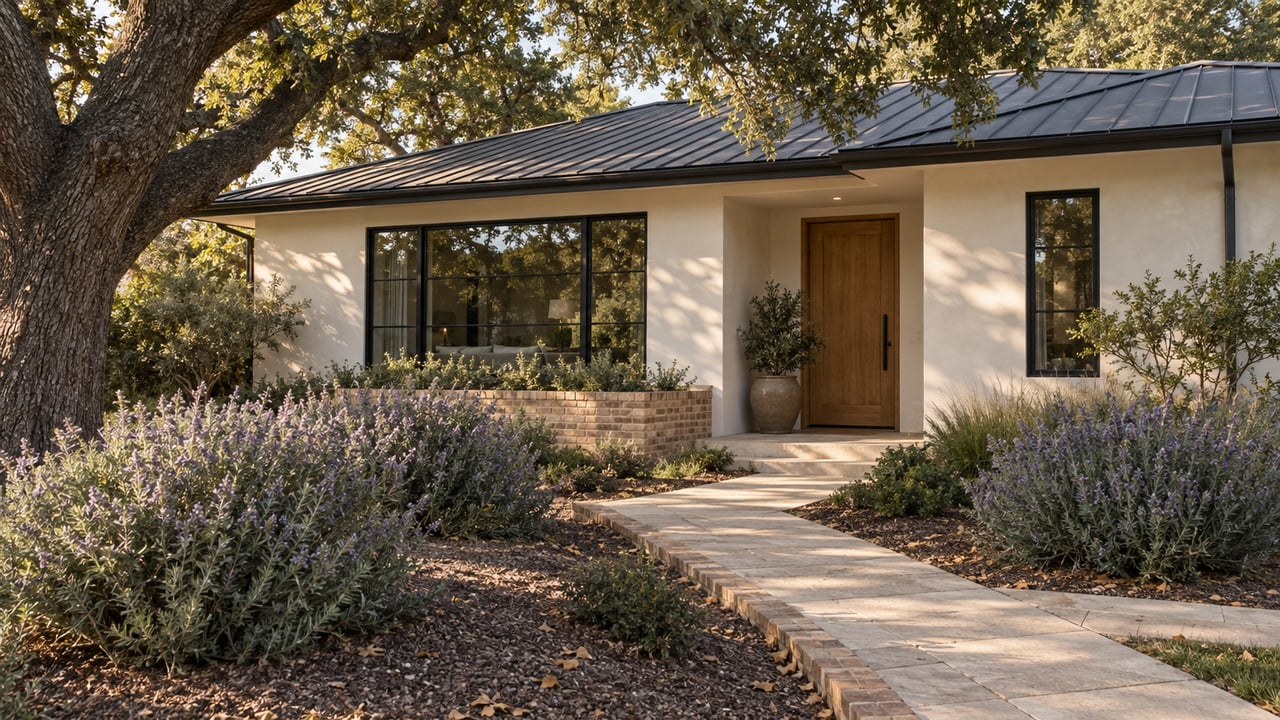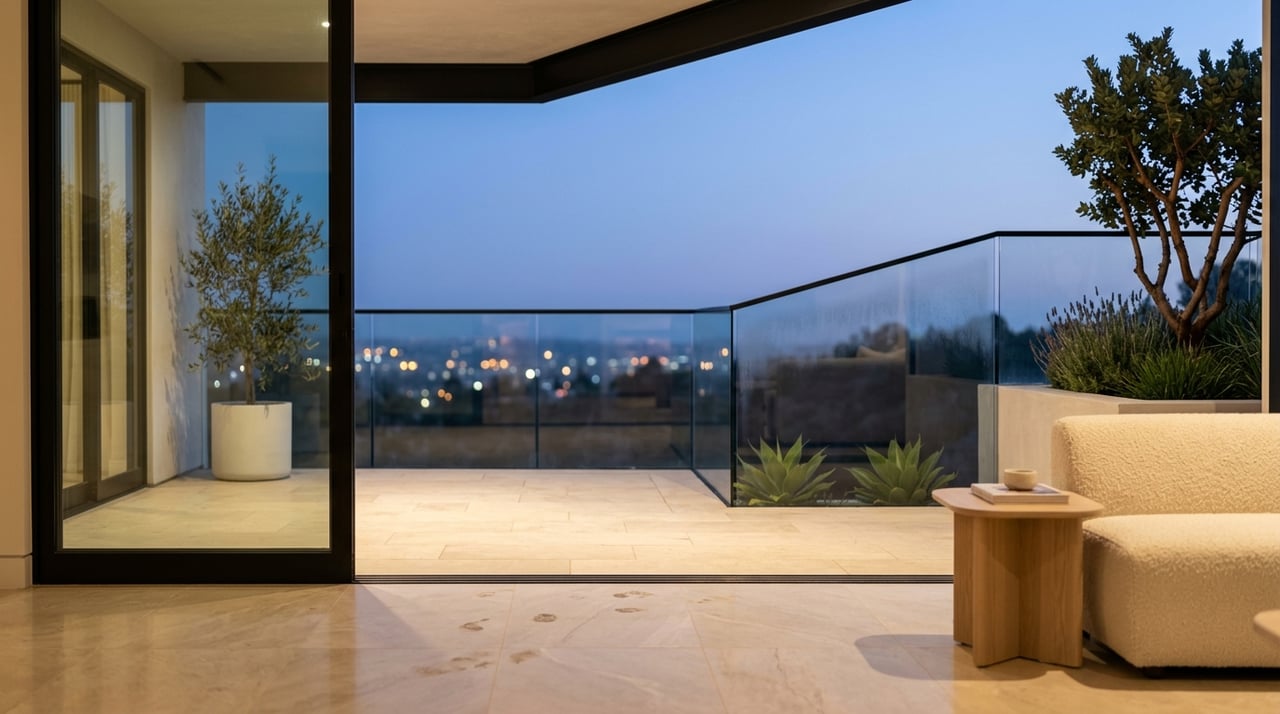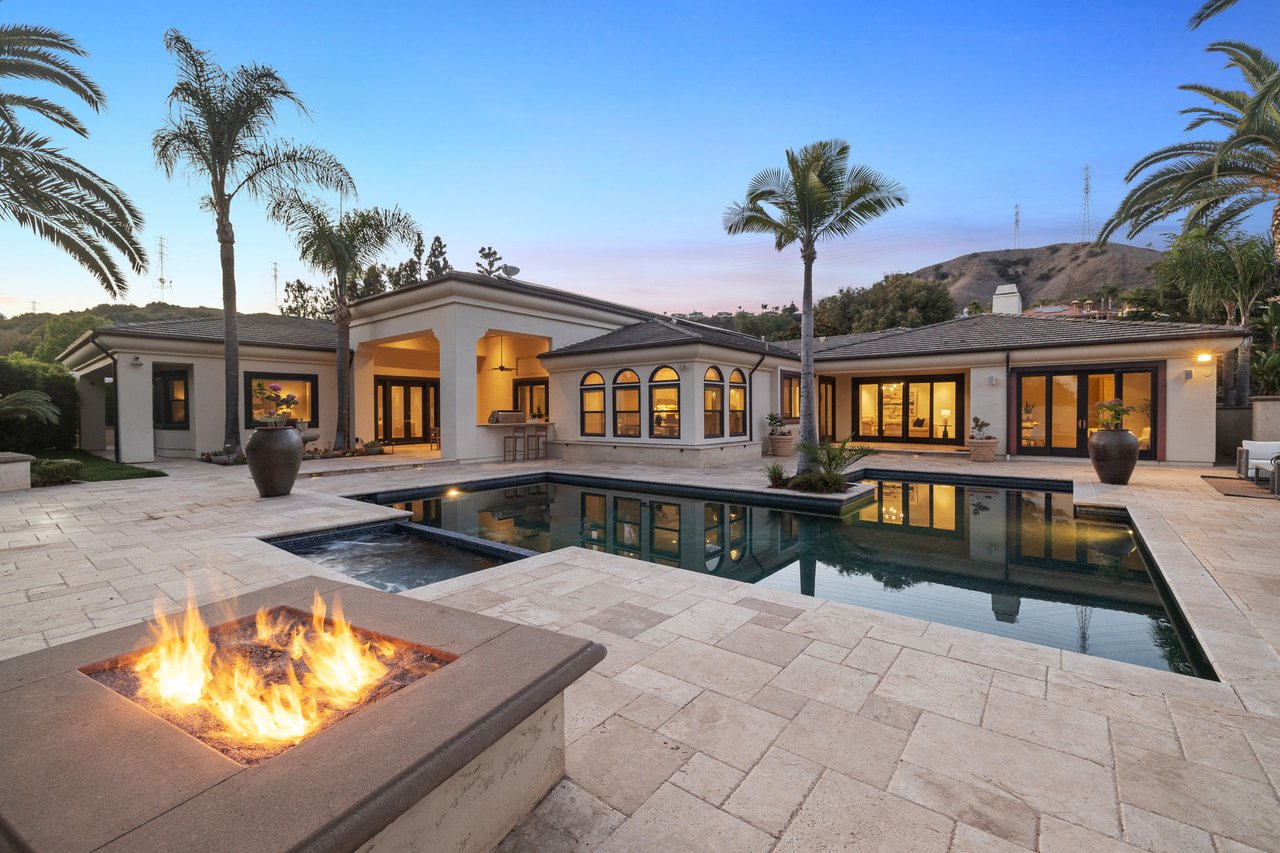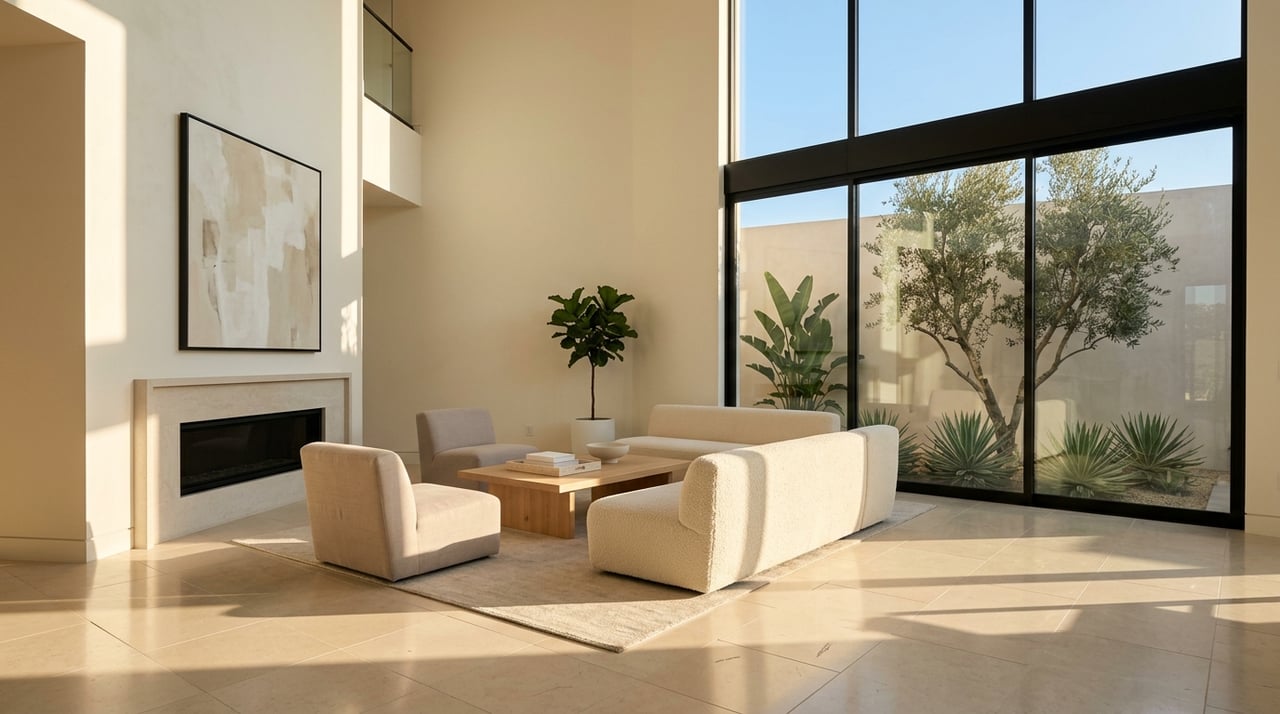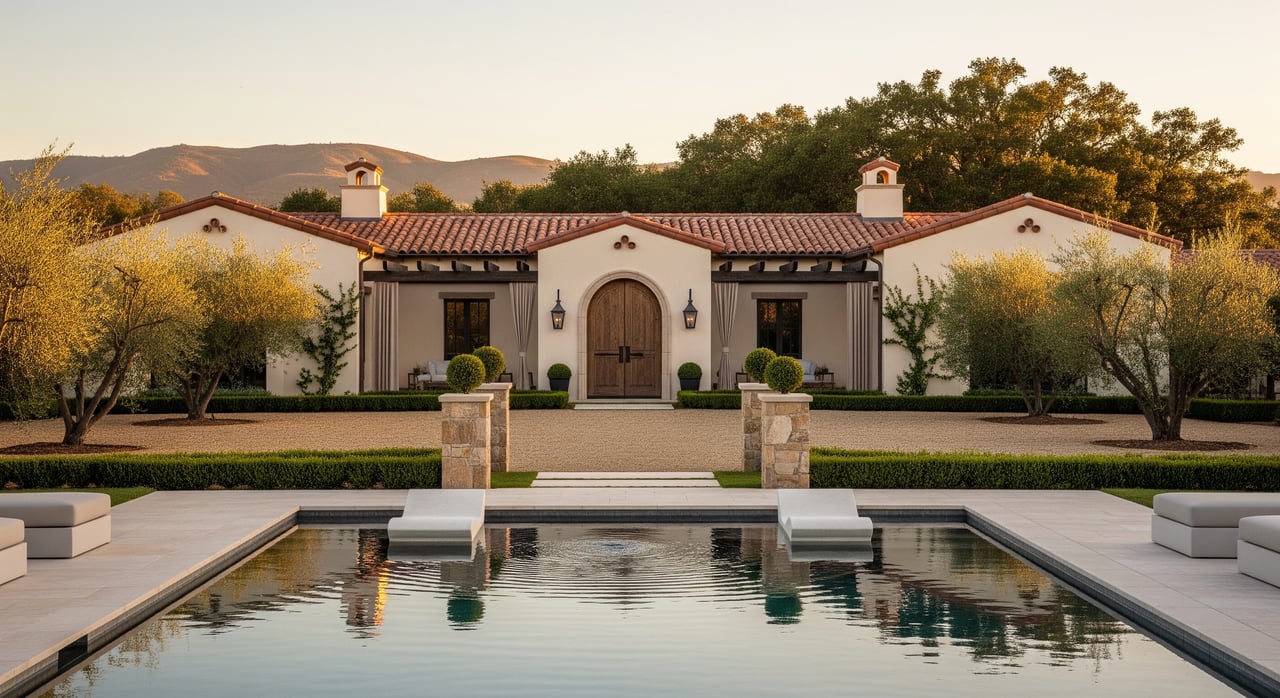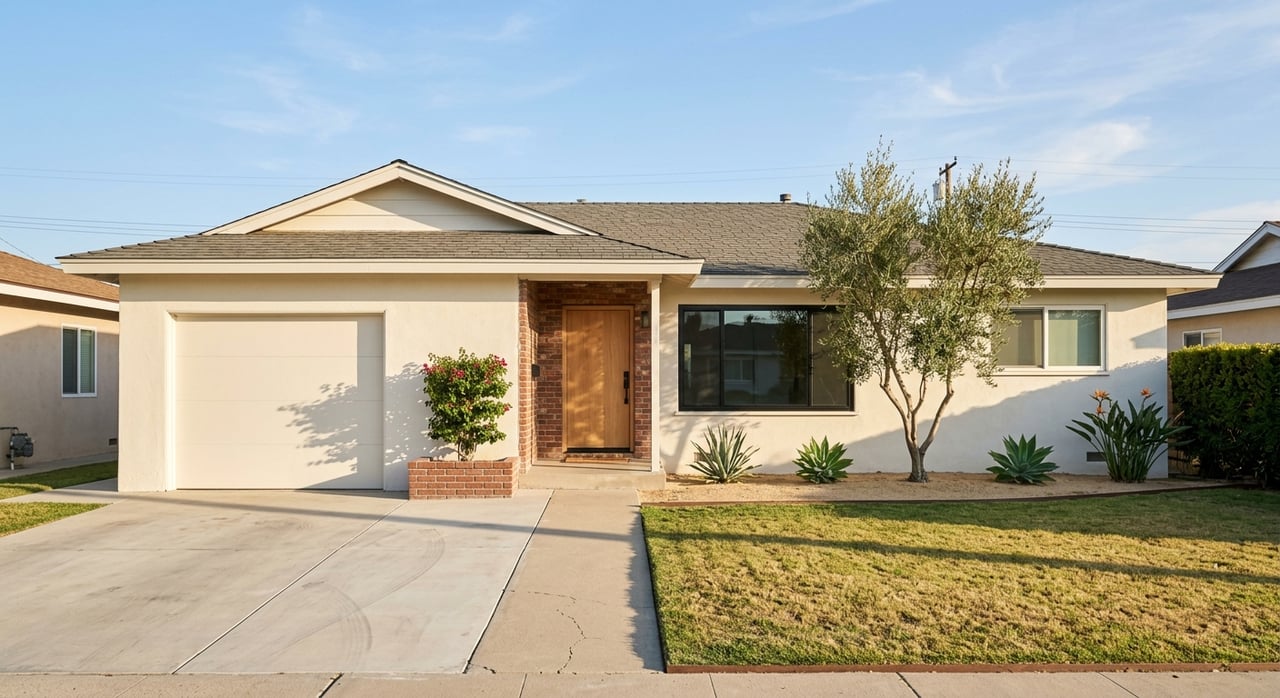
If you are hunting for upside in Tustin, you are probably not looking for a dramatic foreclosure bargain. You are more likely looking for a home that is solid, livable, and priced within a premium market, but still has room for better design, smarter updates, and stronger resale appeal. In this kind of market, the opportunity often comes from spotting what other buyers overlook. Let’s dive in.
Why Tustin Fits Value-Add Buyers
Tustin has the kind of housing mix that can create value-add potential in single-family homes. According to the City of Tustin’s 2025-29 Consolidated Plan, 37% of the city’s housing units are single-unit detached homes, and 50% of all housing was built before 1979. The same report says 46% of occupied homes are more than 45 years old.
That matters because older housing stock often means more homes with dated finishes, older layouts, and deferred cosmetic work. At the same time, only 1.61% of homes lack complete plumbing or kitchen facilities, which suggests many properties are functional but may still benefit from thoughtful updates. In other words, Tustin often offers livable but dated homes rather than severe distress.
The market also supports a more selective strategy. Redfin’s Tustin housing data reports a median sale price of about $1.125 million and 54 days on market, while Realtor.com’s Tustin overview describes Tustin as a balanced market with a 100% sale-to-list ratio. That combination points to a market where finish quality, presentation, and accurate tract-level pricing can have a real impact.
Where To Look In Tustin
Focus on older neighborhoods
If you want the clearest value-add search zone, start with older central Tustin and areas near Old Town. The City of Tustin Historic Resources Survey focuses on properties through 1976 and excludes Tustin Ranch and Tustin Legacy specific plan areas, which reinforces the idea that the city’s older core holds much of its aging residential fabric.
That older fabric can create more renovation opportunities because homes may still carry original materials, compartmentalized layouts, or dated curb appeal. For buyers who can see past surface issues, that can be the difference between paying retail for someone else’s remodel and creating value through your own improvements.
Use tract-era communities as comp anchors
The same historic survey identifies communities such as Enderle Gardens, Laurelwood, and Tustin Meadows as notable 1960s and 1970s-era neighborhoods. These areas are described as cohesive master-planned communities with shared open space and consistent setbacks. For Tustin Meadows, the survey notes that the original planning features remain visible even though many homes have been altered over time.
That is a useful clue for buyers. In neighborhoods with a clear original identity, updates often perform best when they improve the home without ignoring the tract’s character. A renovation that feels aligned with nearby comps may land better than one that is overly customized for the street.
Keep Old Town nearby on your radar
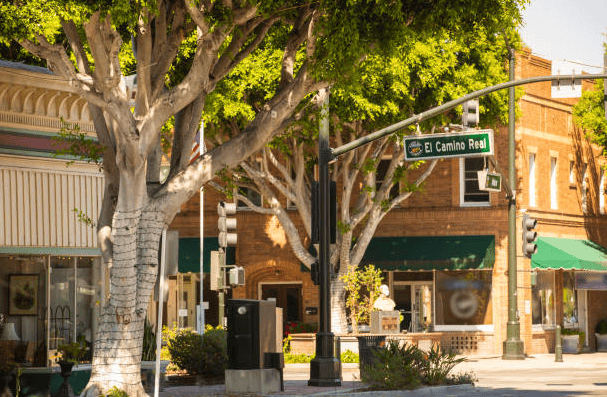
Old Town Tustin remains an important reference point because it contains historic buildings and sites dating back to the 1880s. The city also began Old Town and Main Street improvements in January 2026, including sidewalks, landscaping, parking, wayfinding, and traffic-calming work.
For nearby homes, public investment can add context to the neighborhood story. It is not a guaranteed value driver, but it may support long-term appeal when you are evaluating location quality within the older core of Tustin.
Where Upside May Be Harder To Find
Not every Tustin neighborhood offers the same kind of spread between current condition and future value. Newer planned communities often start from a higher baseline, which can narrow the margin for cosmetic upside.
The city describes Tustin Legacy and Tustin Ranch as newer planned areas, and Realtor.com neighborhood median prices place Tustin Ranch around $1.699 million and Tustin Legacy around $1.499 million. Both figures sit above many citywide market measures, which suggests you may need a more specific under-updated property to find meaningful value-add potential there.
That does not mean you should ignore newer neighborhoods. It just means the strategy may need to shift. Instead of looking for broad cosmetic inefficiency across the neighborhood, you may be looking for the one home with outdated finishes, weaker presentation, or a layout issue relative to nearby sales.
Listing Clues That Can Signal Opportunity
Look at build year first
In Tustin, age is one of the simplest screening tools. The city’s housing data shows that 44% of owner-occupied homes and 52% of renter-occupied homes were built between 1950 and 1979, making that era a major part of local inventory according to the Consolidated Plan.
That date range often lines up with homes that may still have original kitchens, baths, flooring, windows, or systems. Not every older home is a great opportunity, but older inventory gives you a better chance of finding a property where updates can improve both function and marketability.
Watch for layout inefficiency
Floor plan matters in a high-price market. The same city housing report notes that 77% of owner-occupied units have three or more bedrooms. That suggests buyers in Tustin often expect a practical layout with enough bedroom count and usable common areas.
So when you review listing photos, watch for homes with awkward two-bedroom configurations, disconnected kitchen and living areas, or circulation that feels chopped up. Those issues can limit resale appeal unless they can be corrected without over-improving the home for the tract.
Separate cosmetic issues from major distress
Many of the best value-add opportunities are not dramatic fixer-uppers. They are homes with dated finishes, deferred maintenance, uneven past remodels, tired landscaping, or weak presentation.
That idea fits the local housing condition data. The city says roughly 42% of occupied units have at least one selected housing condition, yet only a small share lacks complete plumbing or kitchen facilities. In practical terms, that means a meaningful portion of Tustin homes may be functional but not fully optimized.
Why Tract-Level Comps Matter More
One of the biggest mistakes value-add buyers make is relying too much on broad citywide pricing. Tustin is not one uniform market. Neighborhood medians vary enough that your true resale ceiling is usually found much closer to the subject property.
Realtor.com’s neighborhood overview shows meaningful differences between areas such as Tustin Ranch, Tustin Legacy, and Red Hill. That is why the best comp set is usually the same neighborhood, similar era, and similar bedroom and bath count, not a generic city average.
For example, a dated home in an older tract may look expensive against a broad city median but still be under-positioned against renovated sales nearby. That is where careful comp reading becomes more valuable than headline market numbers.
Design Fit Can Protect Your Margin
In Tustin, renovation upside is not just about spending money. It is about matching the scope and style of updates to the home, the tract, and the likely buyer pool.
This is especially important in neighborhoods with a recognizable architectural rhythm. If surrounding homes share similar setbacks, rooflines, or planning patterns, a design-sensitive renovation may feel more natural and support stronger buyer response. Overshooting the neighborhood can make it harder to recover your cost.
For buyers and homeowner-investors, this usually points toward selective cosmetic or moderate updates rather than full-scale repositioning. Kitchens, baths, flooring, paint, lighting, landscaping, and improved flow can often do more for value than a costly overhaul that ignores the tract’s comp ceiling.
Don’t Ignore Preservation Rules
Before you plan exterior changes, additions, or major visual alterations, check whether the property may fall within an area where preservation review matters. The city’s Historic Preservation program states that special requirements can apply to modifications of commercial and residential properties and directs owners to design guidelines and historic-resource review tools.
That does not mean older homes are off limits. It means you should understand the review context early so your renovation plan matches what may be allowed. In a market like Tustin, good due diligence can protect both timeline and budget.
A Smart Tustin Value-Add Strategy
If you are trying to spot value-add single-family opportunities in Tustin, focus less on finding the cheapest house in town and more on finding the best gap between current condition and neighborhood standard. In many cases, the strongest plays are homes in older areas that are structurally livable, visually dated, and priced below the finish level buyers expect in that tract.
That is where design judgment can make a real difference. When you know how to read the neighborhood, estimate the likely resale ceiling, and choose updates that fit the home, you can make more confident decisions and avoid expensive over-improvement.
If you want help identifying the right kind of opportunity, planning smart updates, or understanding what a home could become before you buy or sell, Cindi Karamzadeh Real Estate + Design offers a design-forward, hands-on approach grounded in local market strategy.
FAQs
What makes Tustin a good market for value-add single-family homes?
- Tustin has a large share of older housing stock, with many homes built before 1979, which can create opportunities for cosmetic or moderate updates rather than major distress rehabs.
Which Tustin areas are most likely to have value-add potential?
- Older central Tustin and areas near Old Town are the most natural places to look because they contain much of the city’s older residential fabric.
Are newer Tustin neighborhoods good for value-add investing?
- They can be, but newer areas like Tustin Ranch and Tustin Legacy often start with higher baseline pricing, so the opportunity may depend on finding a specifically under-updated home.
What listing details should you watch for in Tustin homes?
- Useful signals include older build years, dated kitchens or baths, awkward layouts, deferred maintenance, tired landscaping, and remodels that do not match the home’s overall quality.
Why do neighborhood comps matter so much in Tustin?
- Pricing varies by neighborhood, so the most reliable resale guidance usually comes from homes in the same tract, similar era, and similar bedroom and bath range.
Do older Tustin homes come with renovation restrictions?
- Some may, especially if preservation rules apply, so it is wise to review city guidelines early when considering exterior changes or additions.