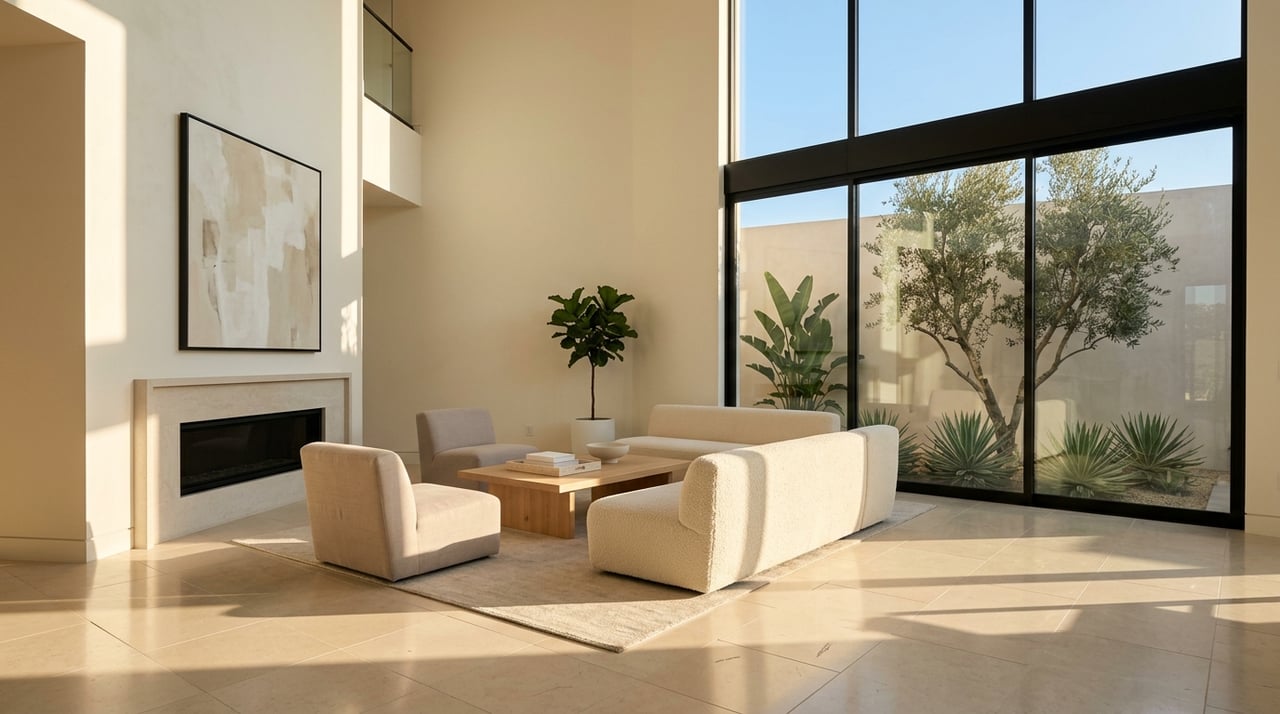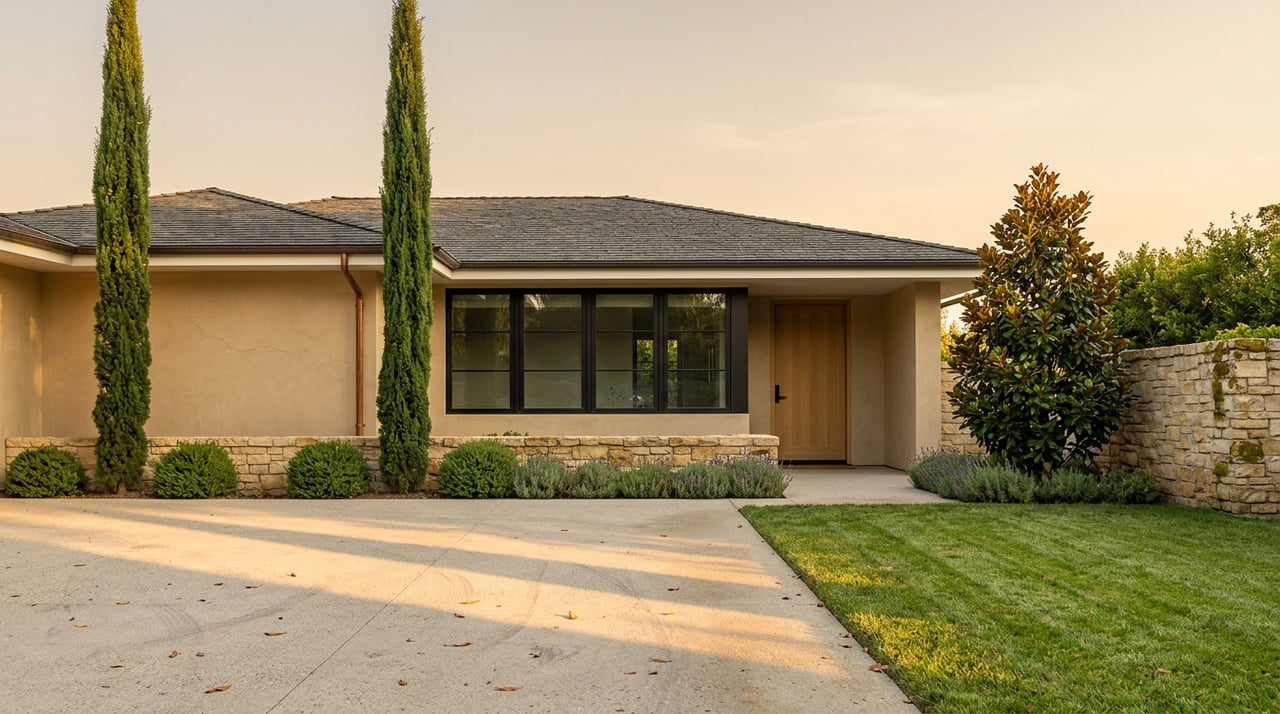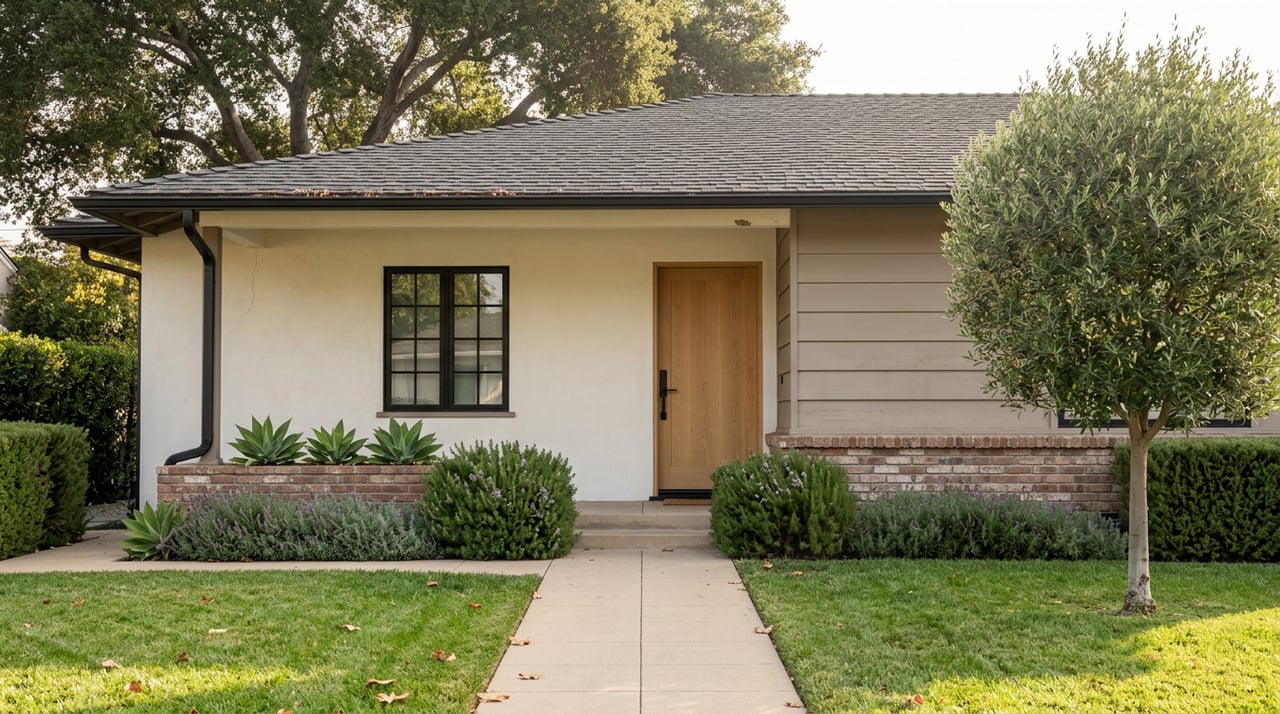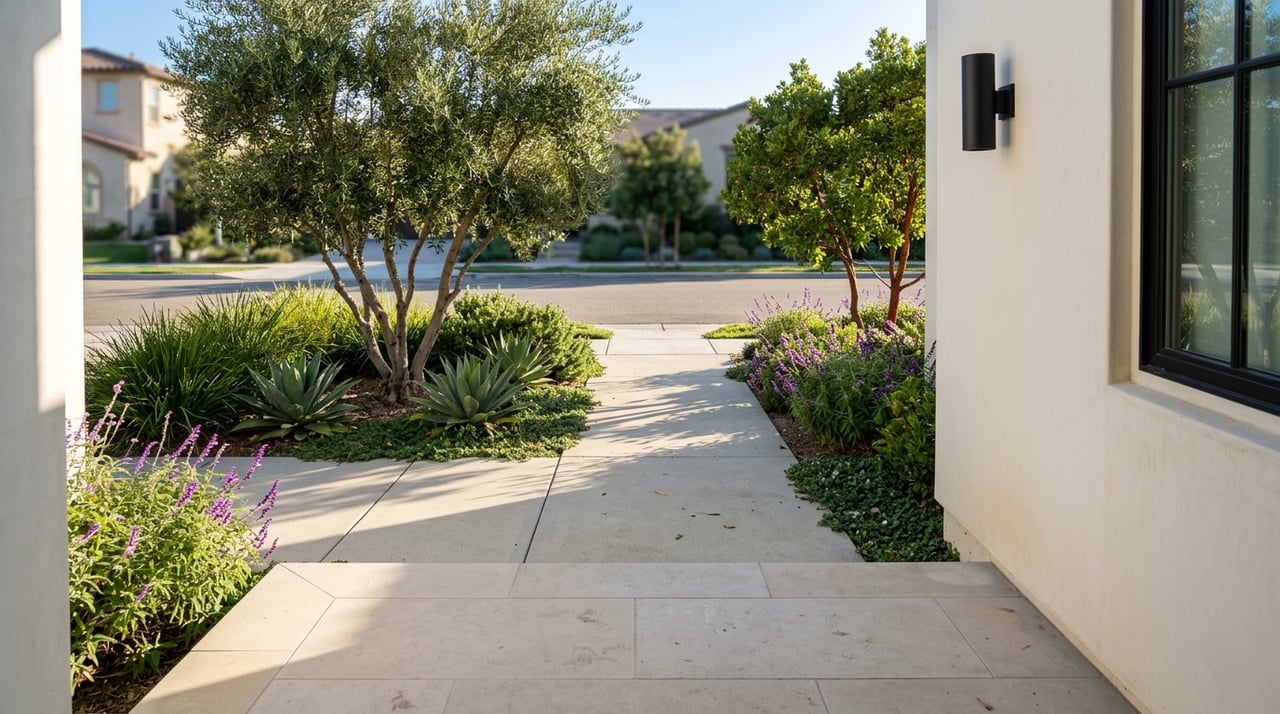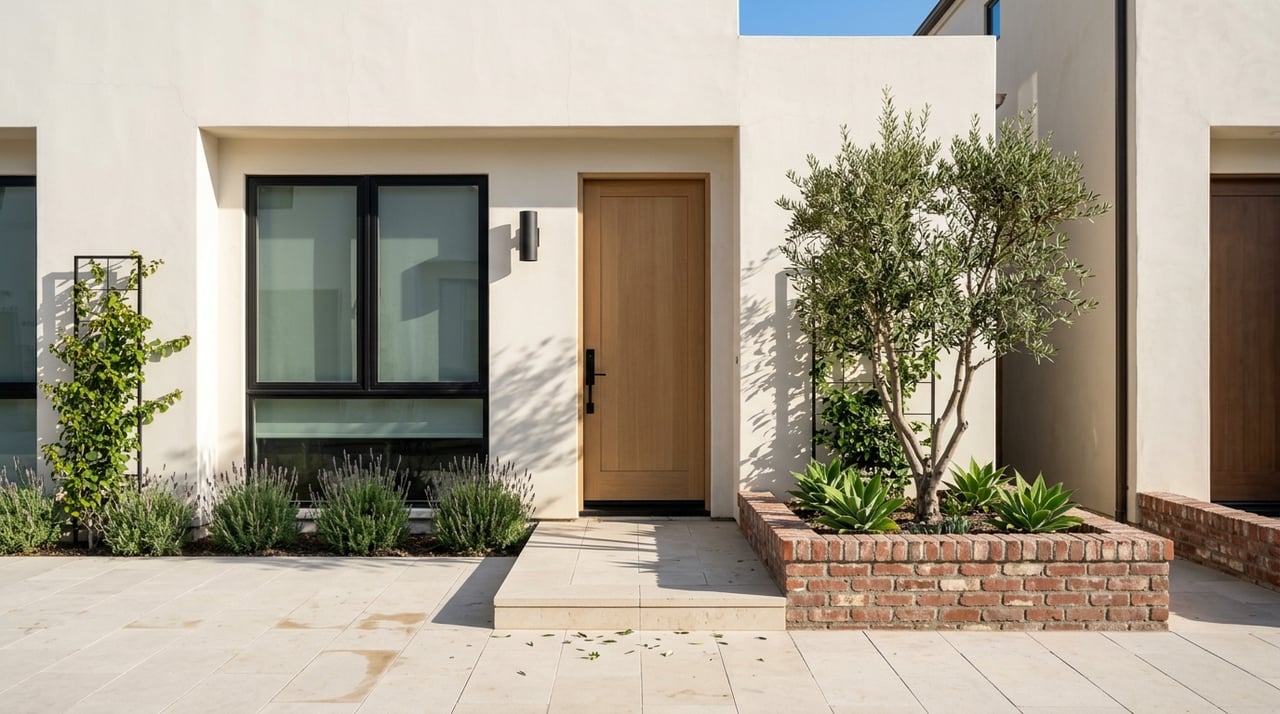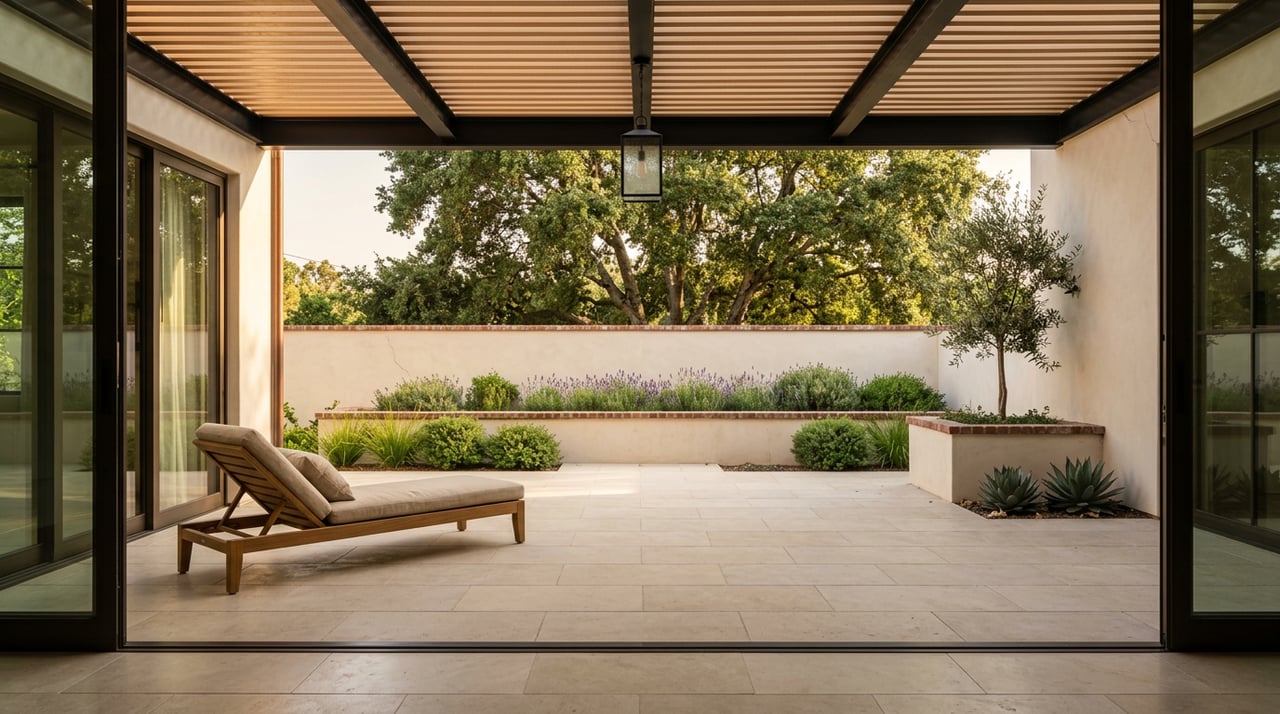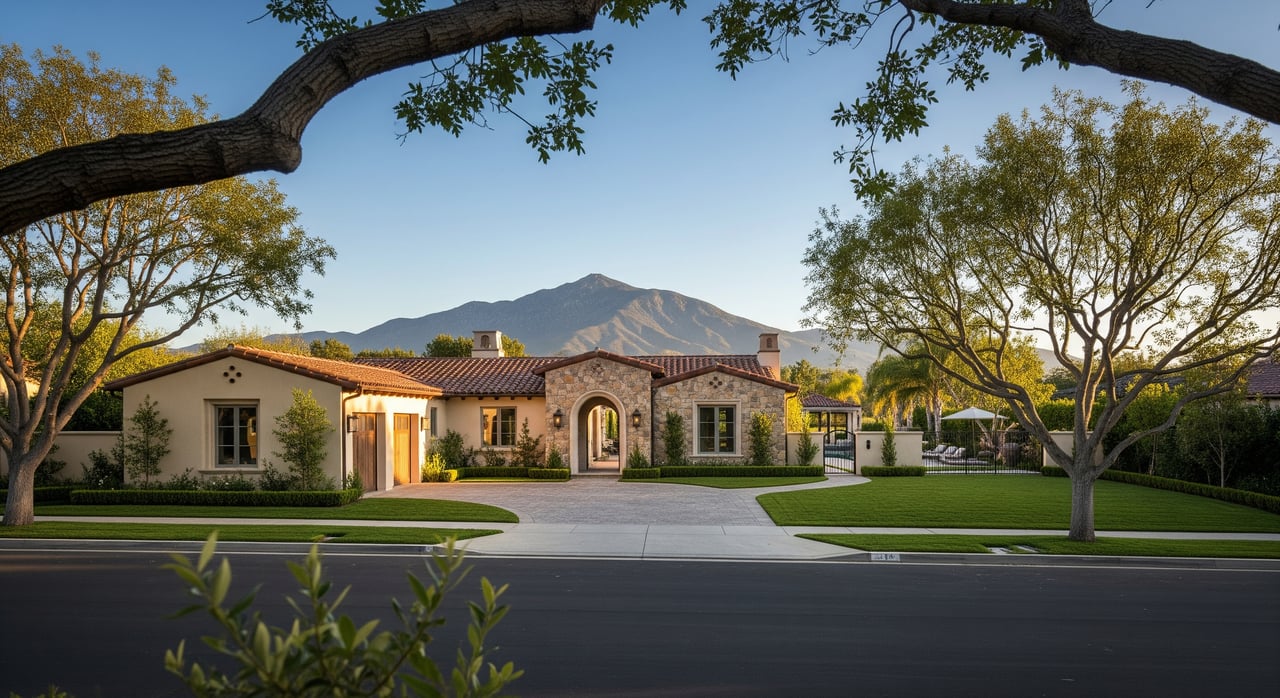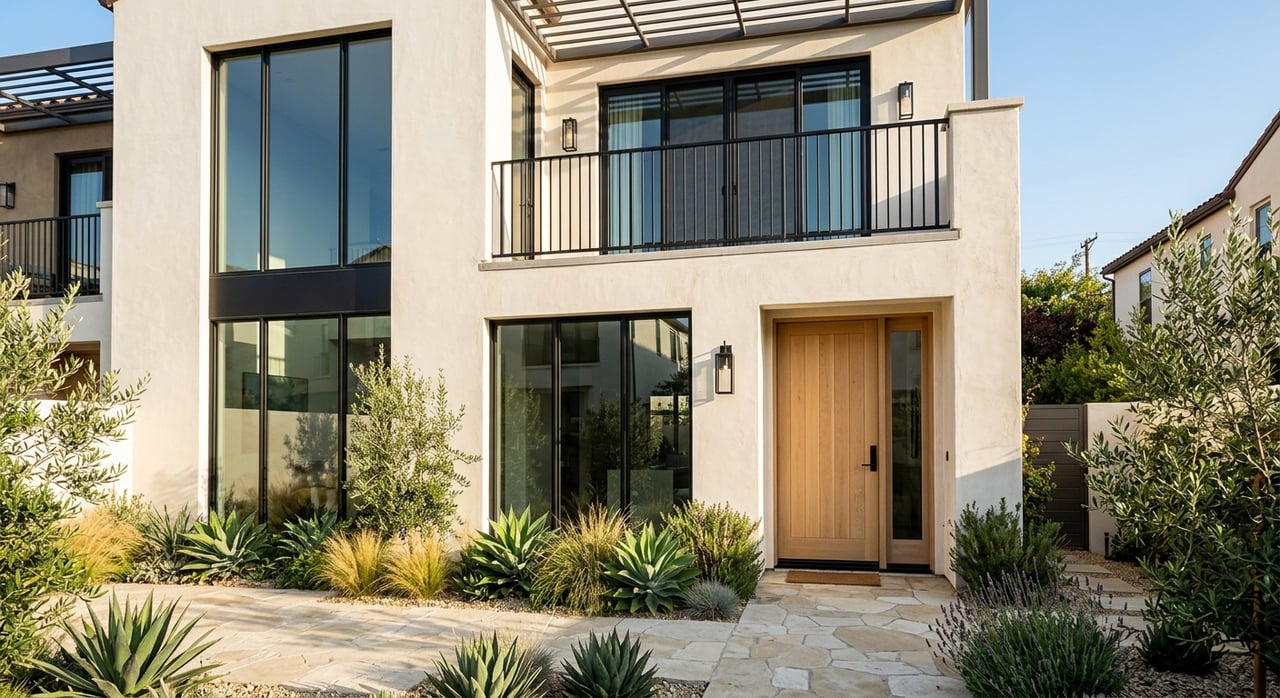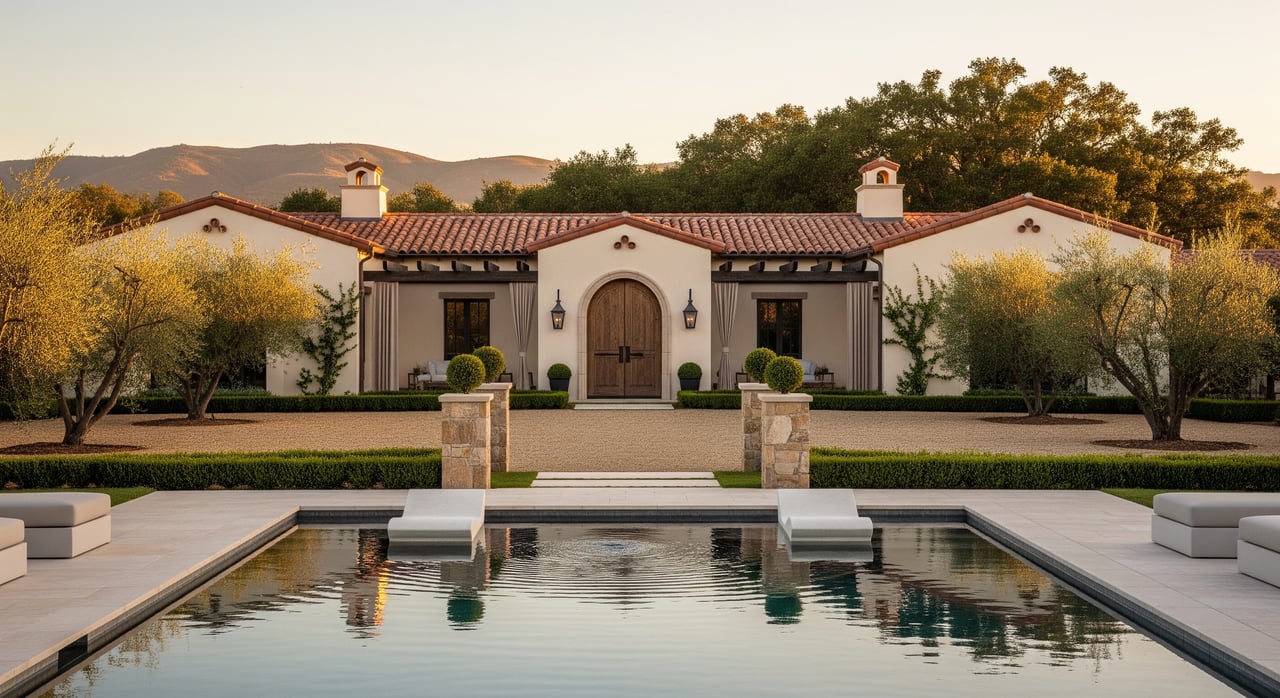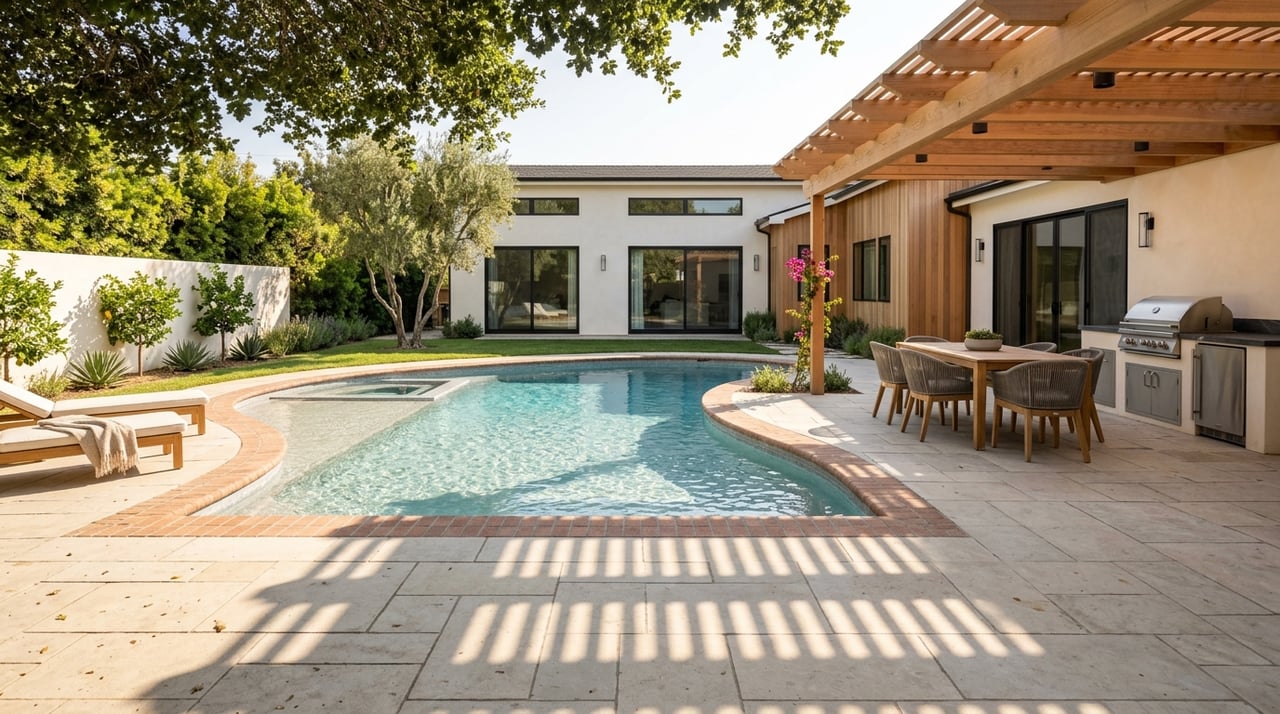
If you have ever looked at a Villa Park backyard and thought, "This space should do more," you are probably right. In a city known for generous lots, warm weather, and an established residential feel, outdoor living is not just a bonus feature. It is one of the most important parts of how a home functions and how it presents. The key is knowing which upgrades add real everyday value while still fitting the property, the climate, and local rules. Let’s dive in.
Why outdoor living matters in Villa Park
Villa Park is a unique Orange County market because it is almost fully built out and largely made up of single-family homes on sizable lots. The city covers about 2.1 square miles, has roughly 2,050 homes, and is almost 99% built out. Most properties sit on half-acre lots, which means the yard often becomes a major living space rather than leftover land.
That local pattern changes how you should think about improvements. In Villa Park, the best outdoor upgrades are not about filling space for the sake of it. They are about using existing yard area in a smarter, more intentional way while preserving the open character that helps define the city.
Villa Park’s zoning standards also reflect that idea. The city’s development standards are designed to keep buildings proportional to the land area and preserve attractiveness and property values. In practical terms, that means the most successful outdoor projects usually feel balanced, useful, and well integrated with the home.
Start with outdoor rooms
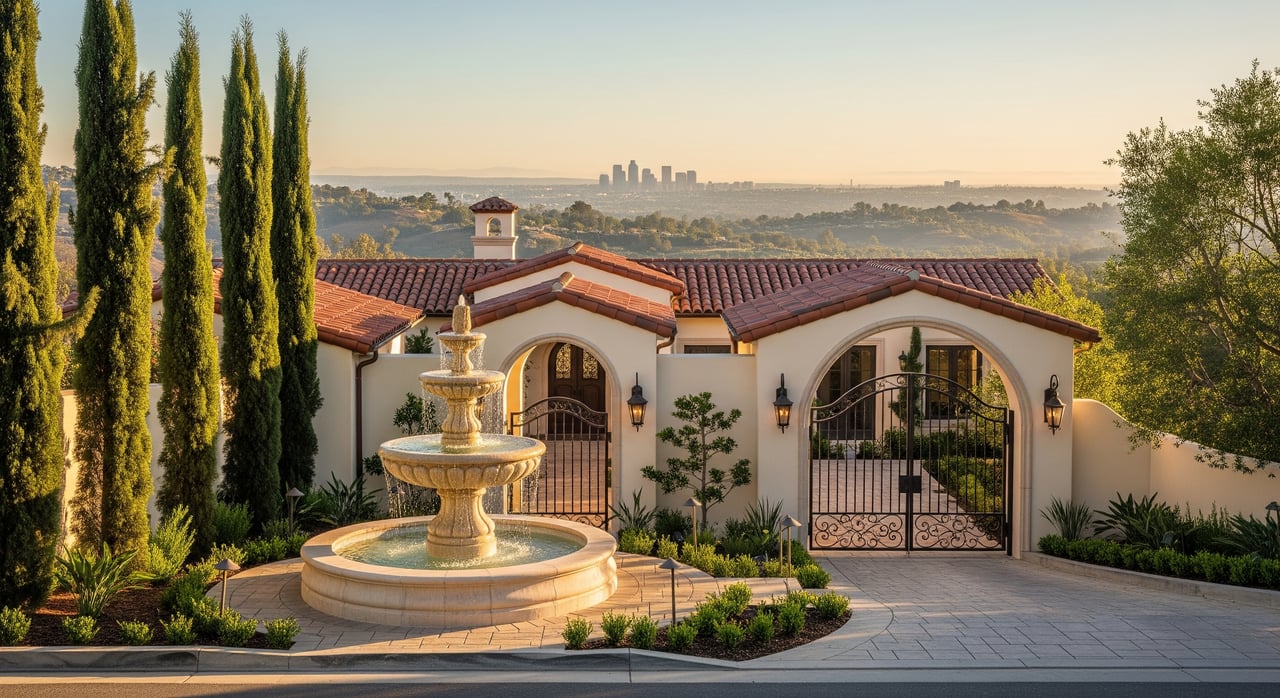
One of the best ways to maximize a Villa Park yard is to break it into outdoor rooms. Instead of treating the backyard as one large open area, think of it as a series of spaces with different jobs. This often creates a layout that feels more finished and more livable.
A strong outdoor plan might include:
- A shaded dining terrace
- A lounge or conversation area
- A garden or planting zone
- A pool or spa area
- Open lawn or flexible recreation space
This approach works especially well in Villa Park because many lots can support multiple uses without feeling crowded. It also helps you avoid overbuilding the yard, which matters in a city where openness and proportion are part of the appeal.
Prioritize shade for daily use
In inland Orange County, shade is not a luxury feature. It is a practical one. NOAA climate data for nearby Anaheim shows annual precipitation of 13.52 inches, very little rain in summer, and summer highs in the upper 80s. That makes comfort planning essential if you want to use your yard consistently.
A covered terrace or patio cover often delivers more everyday value than a decorative feature that looks nice but does not improve function. If your home already has a good connection between the kitchen, family room, or main entertaining areas and the backyard, a shaded dining or lounge space can extend your living area in a way buyers and homeowners immediately understand.
Patio covers, enclosures, and decks require permits in Villa Park, so the planning stage matters. Before starting a project, it is smart to review zoning and development requirements with the city so the design fits the property and approval process.
Design with water efficiency in mind
Water-smart landscaping is one of the clearest value-add opportunities for Villa Park homeowners. The local climate supports outdoor living, but it also demands practical landscape choices. The California Department of Water Resources notes that about 40% of household water use in California happens outdoors, and its Model Water Efficient Landscape Ordinance emphasizes climate-adapted plants and efficient irrigation.
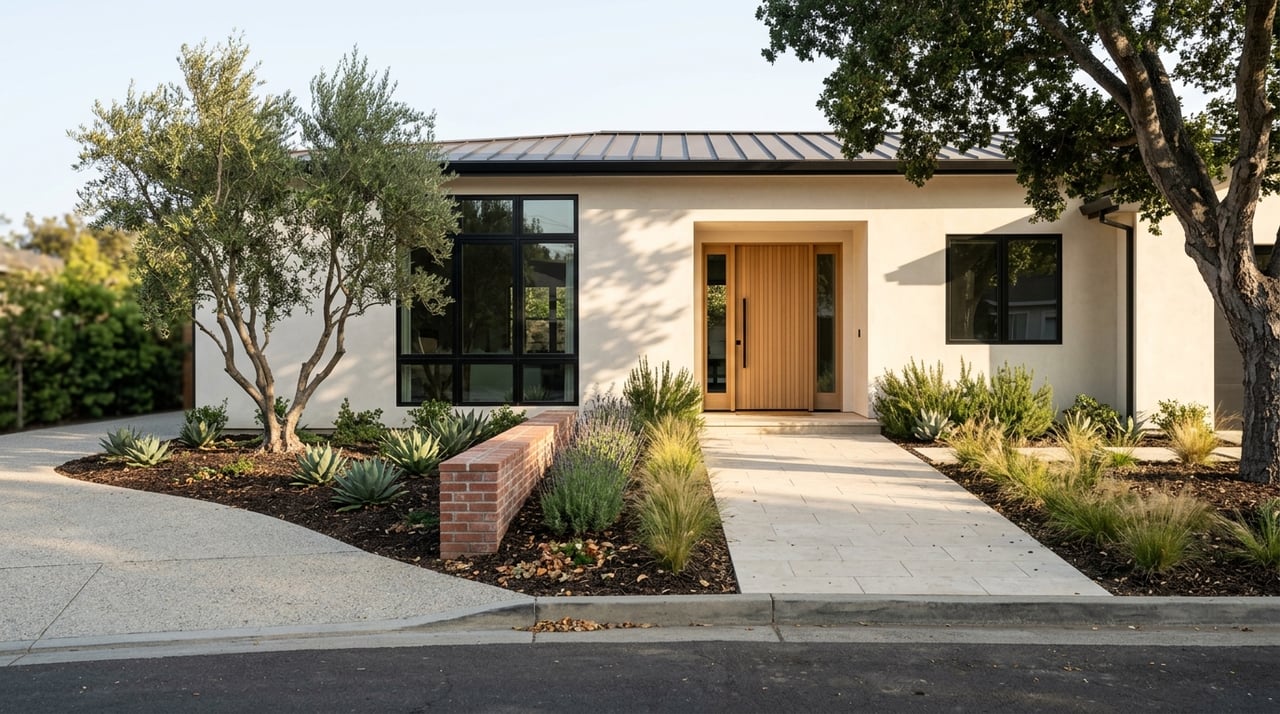
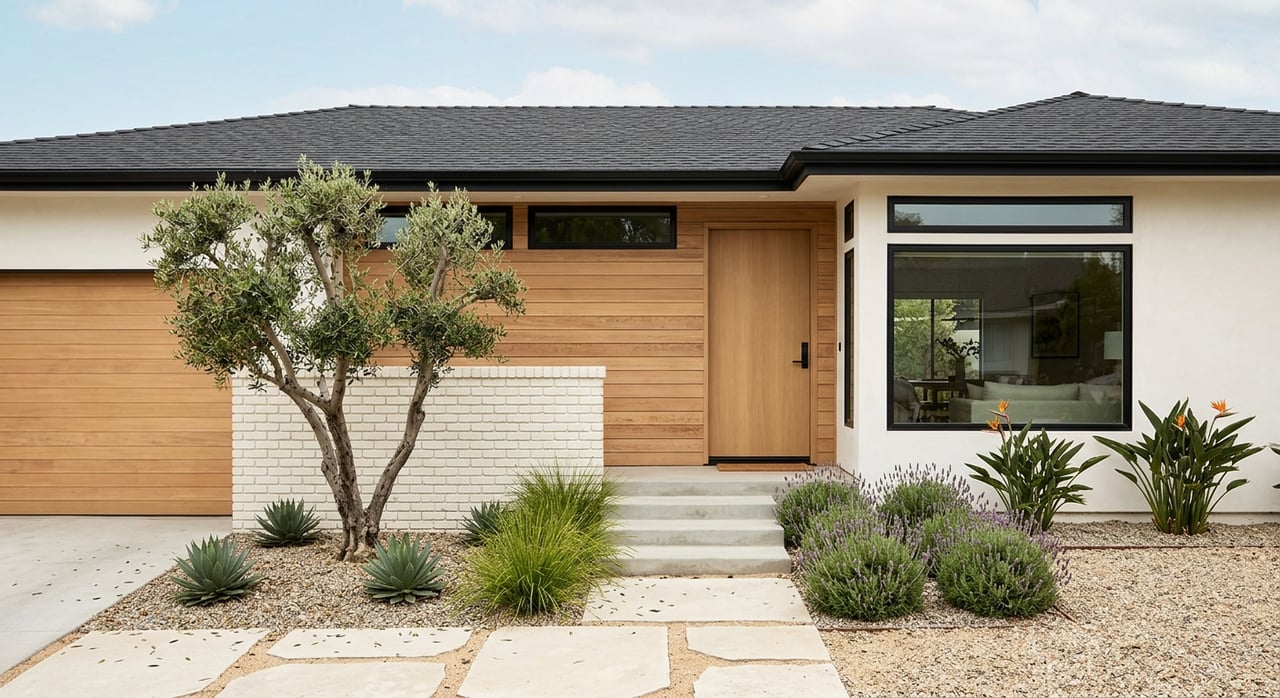
That means a beautiful yard in Villa Park does not have to depend on high water use. In fact, many of the strongest landscape plans today combine drought-conscious planting, efficient irrigation, and thoughtfully placed hardscape to create a polished look with easier long-term upkeep.
MWDOC also offers support that can make this kind of upgrade more attractive. Residents can access free water-smart landscape designs, along with rebates for smart irrigation timers, turf replacement, and certain tree and design incentives. Turf replacement rebates start at $2 per square foot of grass removed, and synthetic turf is not eligible under that program.
If you are thinking about resale, this matters for another reason too. A water-smart yard often reads as updated, intentional, and better suited to the way Southern California homeowners actually live.
Make pools part of a full plan
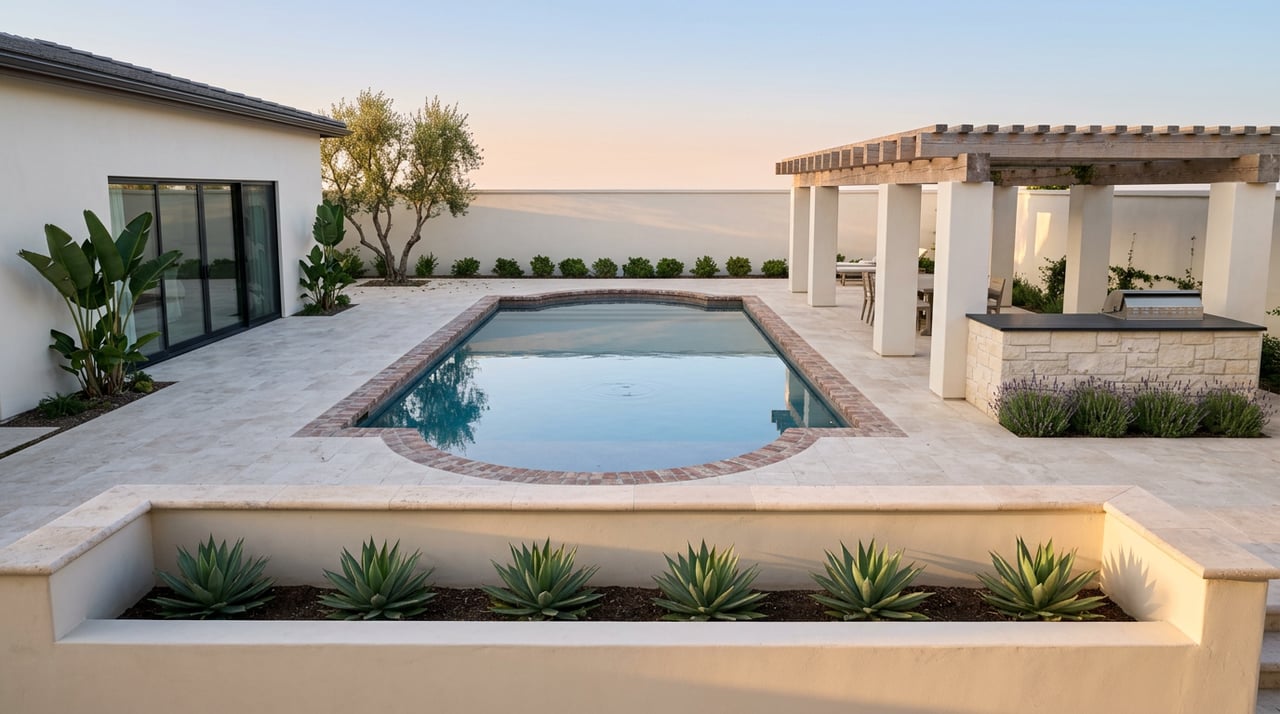
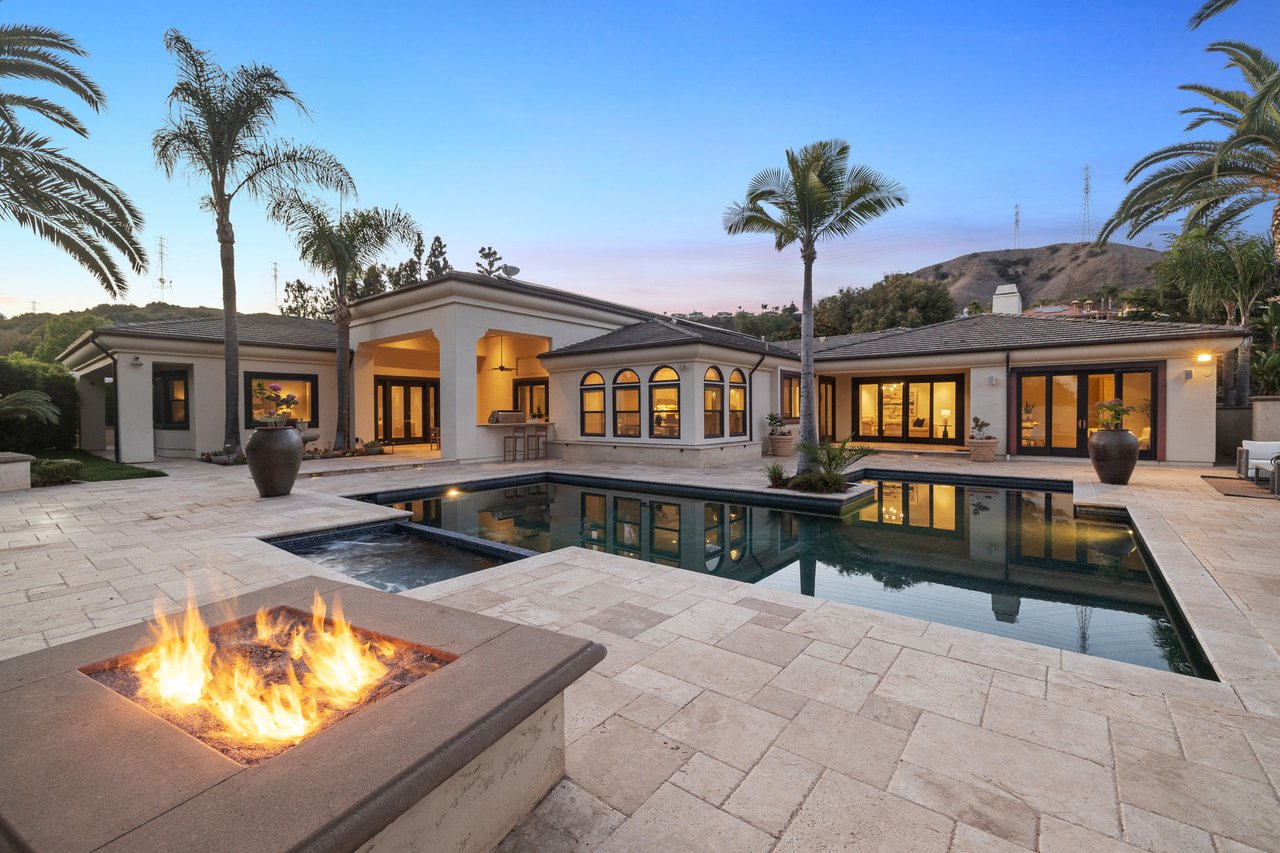
A pool or spa can be a natural fit for Villa Park’s warm, dry climate, but it works best as part of a complete outdoor-living plan. A pool by itself does not create a lifestyle. The surrounding spaces do.
The most successful pool-centered yards usually include adjacent seating, shade, and a clear path to dining or entertaining areas. That combination makes the backyard feel cohesive instead of fragmented. It also helps the pool area function beyond occasional use.
Pools and spas require permits in Villa Park, so they should be planned together with decking, equipment screening, circulation, and nearby gathering space. If you are investing in a pool project, thinking through the whole composition from the start usually leads to a stronger final result.
Build privacy without closing in the lot
Privacy is a common goal in established Villa Park neighborhoods, but the best solution is not always a taller fence. Local rules allow fences or walls up to 6 feet through minor site plan review, while taller fences and walls require regular site plan review.
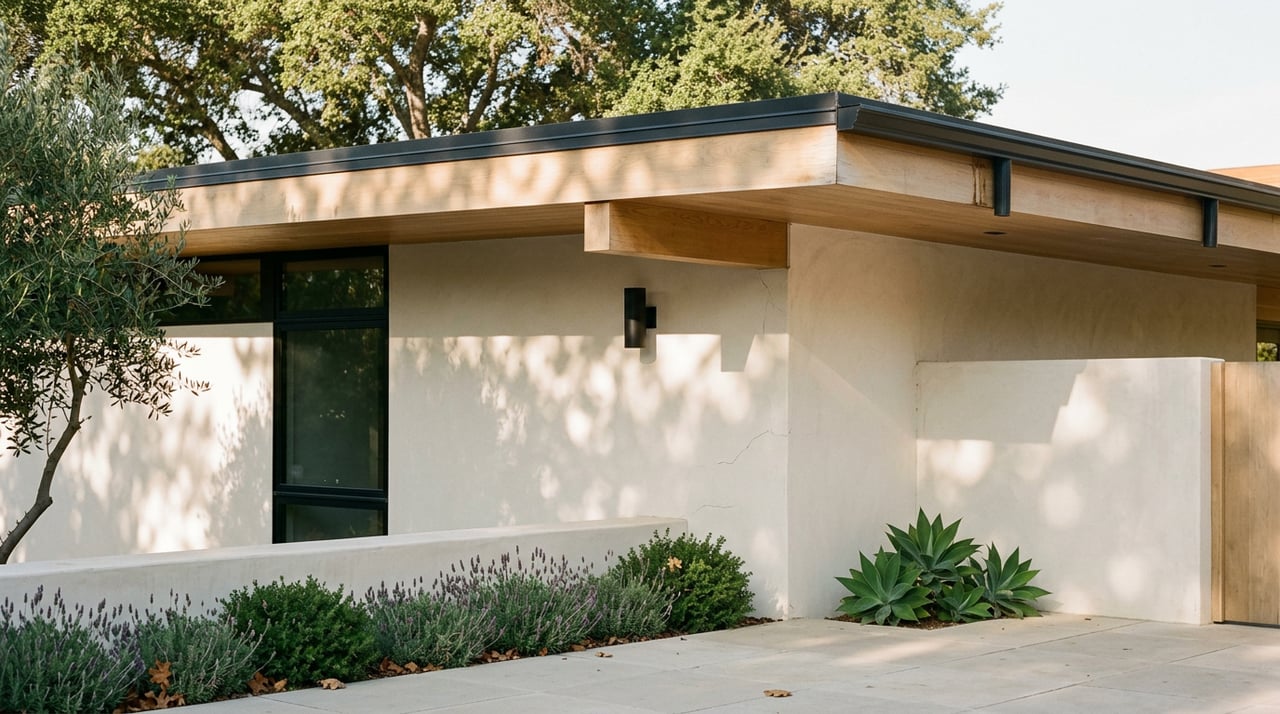
Because of that, layered privacy design is often the smarter route. Strategic planting, low walls, and selective screening can create separation and comfort without making the yard feel heavy or boxed in. This is especially important on larger lots, where openness is part of the appeal.
Villa Park also has lot coverage standards that reinforce this balanced approach. Residential standards cap lot coverage at roughly 33 to 35 percent in R-1 zones and 32 to 35 percent in E-4 zones, with a floor-area ratio of 38 percent. In simple terms, the most attractive projects usually preserve breathing room instead of hardscaping every available square foot.
Use hardscape where it matters most
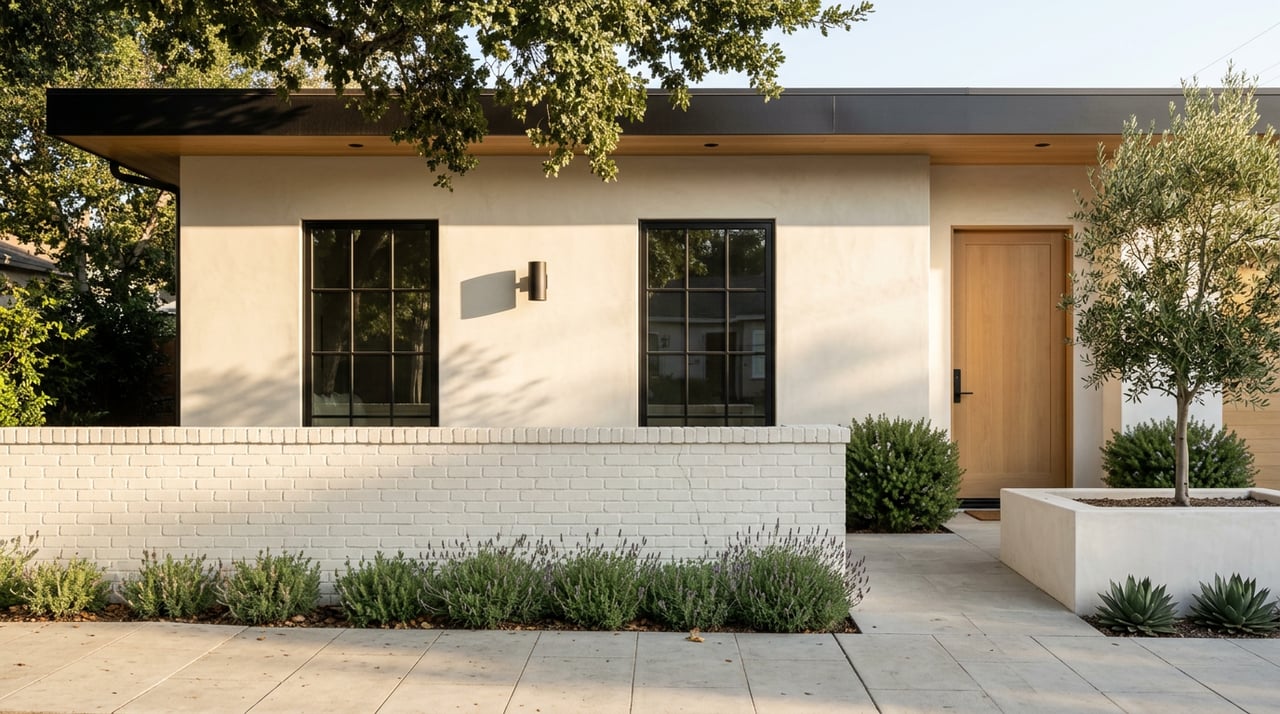
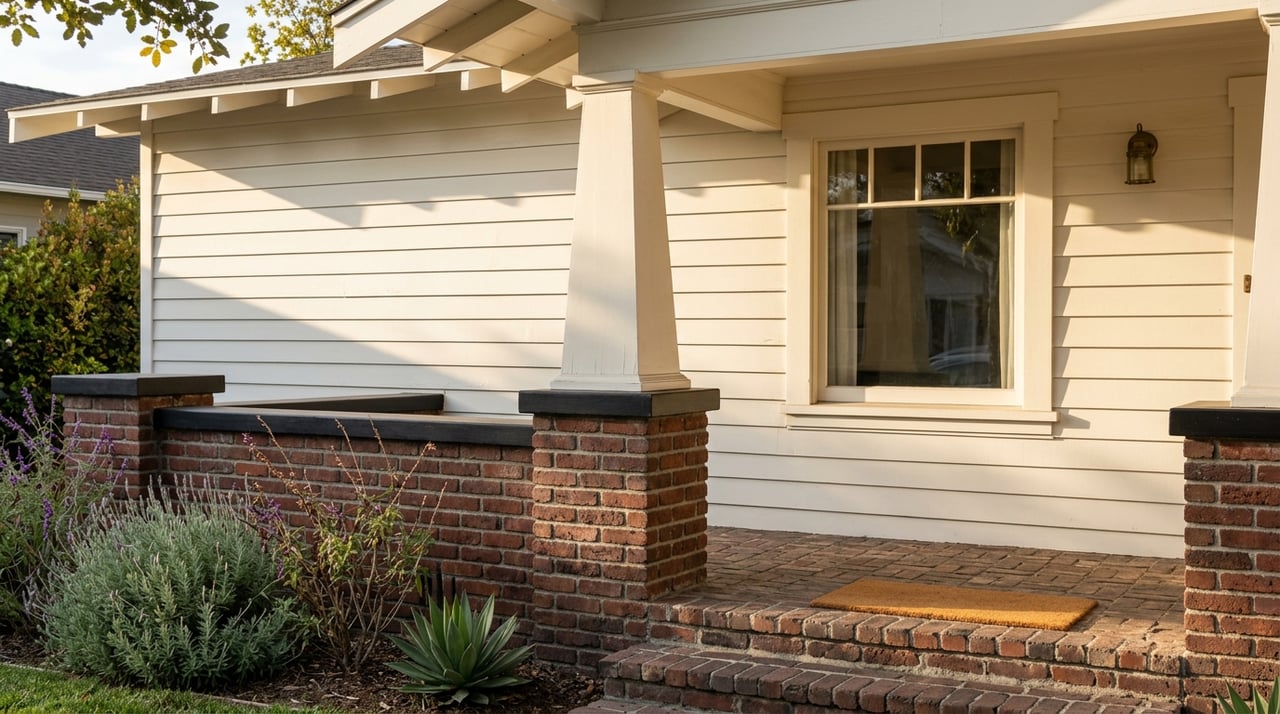
Hardscape does more than define patios and walkways. In Villa Park, it can also improve durability, maintenance, and safety. Given the dry climate, hardscape choices near the home deserve extra thought.
CAL FIRE advises that the first five feet from a home is the most important zone for reducing fire risk. It recommends hardscape such as gravel, pavers, or concrete in that area, with no combustible bark or mulch next to structures. For homeowners, that means the planting plan should support both appearance and function, especially near decks, eaves, and exterior walls.
This does not mean your yard needs to feel stark. It means the space closest to the home should be deliberate. Well-placed stone, pavers, or gravel can create a clean transition from house to landscape while supporting a more resilient design.
Account for permits early
One of the easiest ways to lose momentum on an outdoor project is to treat permitting as an afterthought. In Villa Park, many common backyard improvements require permits, including pools and spas, patio covers, enclosures and decks, accessory structures, sports courts, retaining walls supporting a surcharge, and block walls over 6 feet.
The city’s building department handles inspections and can issue stop-work notices for work done without proper permits. Depending on the scope, engineering and public works review may also be needed if the project affects grading, drainage, curb and gutter work, sewer laterals, or any encroachment into the public right-of-way.
For homeowners preparing to sell, permit awareness matters even more. A well-designed improvement can add appeal, but buyers also care about whether major work was handled correctly. Planning properly from day one helps protect both usability and marketability.
Respect local project timing and maintenance realities
Even a beautiful backyard project needs to work within local operating rules. Villa Park allows construction on weekdays from 7:00 a.m. to 8:00 p.m. and Saturdays from 8:00 a.m. to 8:00 p.m. Yard work is also allowed on Sundays from 8:00 a.m. to 8:00 p.m., but construction itself is not permitted on Sundays.
That may seem like a small detail, but it affects timelines and contractor coordination. If you are planning a larger renovation, understanding those limits early can make scheduling smoother and help set realistic expectations.
Maintenance also matters in Villa Park’s semi-rural setting. The city notes that residents may experience occasional wildlife due to hillside topography and advises keeping yards free of thick brush and weeds, storing trash in covered containers, removing fallen fruit, and enclosing the bottoms of porches and decks. A finished, intentional landscape is not just more attractive. It can also be easier to maintain responsibly.
Best upgrades for resale and enjoyment
If your goal is to improve both daily living and long-term value, a few outdoor features stand out in Villa Park.
Covered dining terraces
A shaded dining terrace creates usable square footage without adding interior walls. It is especially effective when it connects naturally to the main living areas of the home.
Water-smart landscape updates
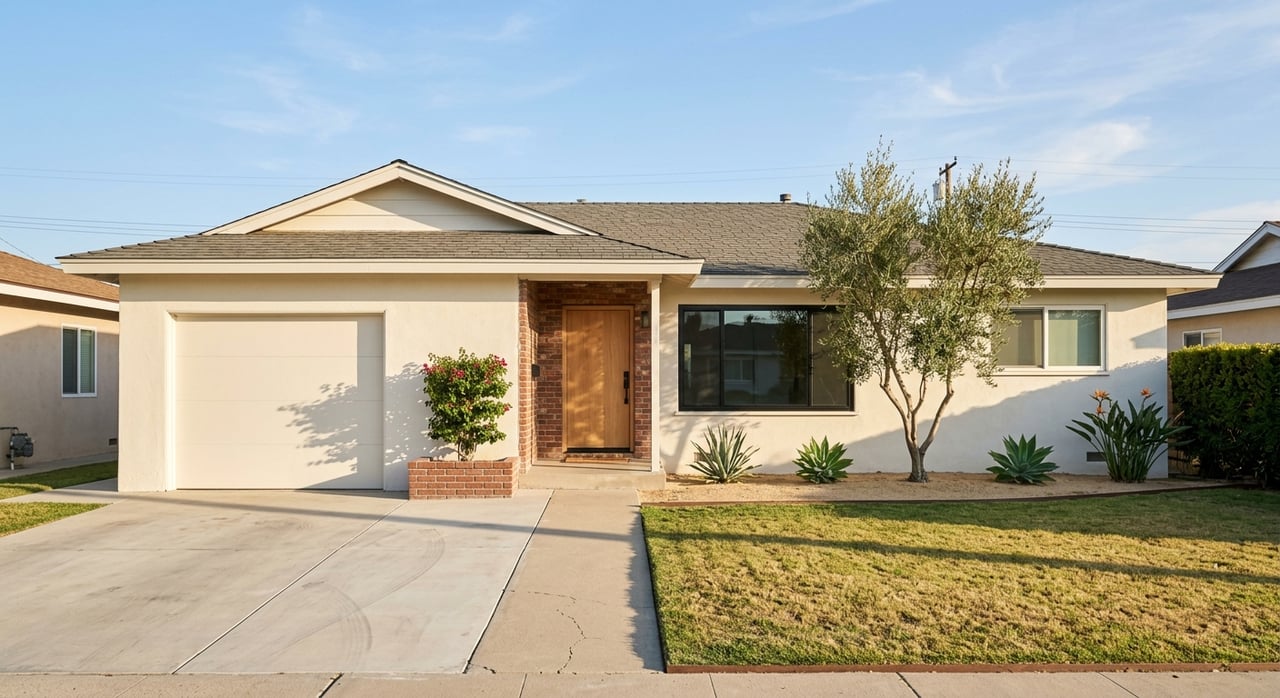
Climate-adapted plants, smart irrigation, and reduced turf can improve curb appeal, lower water demands, and create a more current Southern California look.
Integrated pool areas
If a pool is part of the plan, treat it as one element in a larger outdoor lifestyle layout. Seating, shade, and circulation are what make the space feel complete.
Privacy planting and screening
Layered screening often looks more refined than relying on a single oversized wall or fence. It also supports the open, established character many buyers appreciate in Villa Park.
Fire-conscious hardscape
Using pavers, gravel, or concrete near the house can strengthen both design and function. It is a practical update that supports a more durable landscape plan.
The Villa Park mindset: better, not bigger
The biggest takeaway for Villa Park homeowners is simple. Maximizing outdoor living potential is usually not about adding more. It is about planning better.
The homes here often already have the land. What creates value is turning that land into useful, attractive, code-aware space that works with the climate and respects the property’s proportions. When the yard feels intentional, the whole home feels more complete.
If you are thinking about which outdoor upgrades make sense for your property, design strategy matters as much as square footage. A thoughtful plan can improve how you live now and strengthen how your home presents when it is time to sell. To explore a design-forward strategy for your Villa Park home, connect with Cindi Karamzadeh.
FAQs
What outdoor improvements usually add the most value to a Villa Park home?
- In Villa Park, some of the most practical upgrades are shaded dining terraces, water-smart landscaping, integrated pool areas, privacy screening, and hardscape that improves function near the home.
Do Villa Park outdoor projects require permits?
- Many do. The city requires permits for projects such as pools and spas, patio covers, enclosures, decks, accessory structures, certain retaining walls, sports courts, and block walls over 6 feet.
Why is shade so important for Villa Park backyards?
- Villa Park’s inland Orange County climate includes warm summers, little summer rainfall, and limited natural cooling, so shaded areas make outdoor spaces more comfortable and usable throughout the year.
How can you create privacy in a Villa Park yard without overbuilding it?
- A layered approach usually works best, using plantings, low walls, and strategic screening to create separation while preserving openness and staying aligned with local review standards.
What makes a landscape plan water-smart in Villa Park?
- A water-smart plan typically uses climate-adapted plants, efficient irrigation, and thoughtful hardscape to reduce outdoor water use while keeping the yard attractive and functional.
What maintenance issues should Villa Park homeowners keep in mind outdoors?
- Homeowners should keep yards clear of thick brush and weeds, store trash in covered containers, remove fallen fruit, and keep porches and decks enclosed underneath to help manage wildlife and maintain a finished landscape.