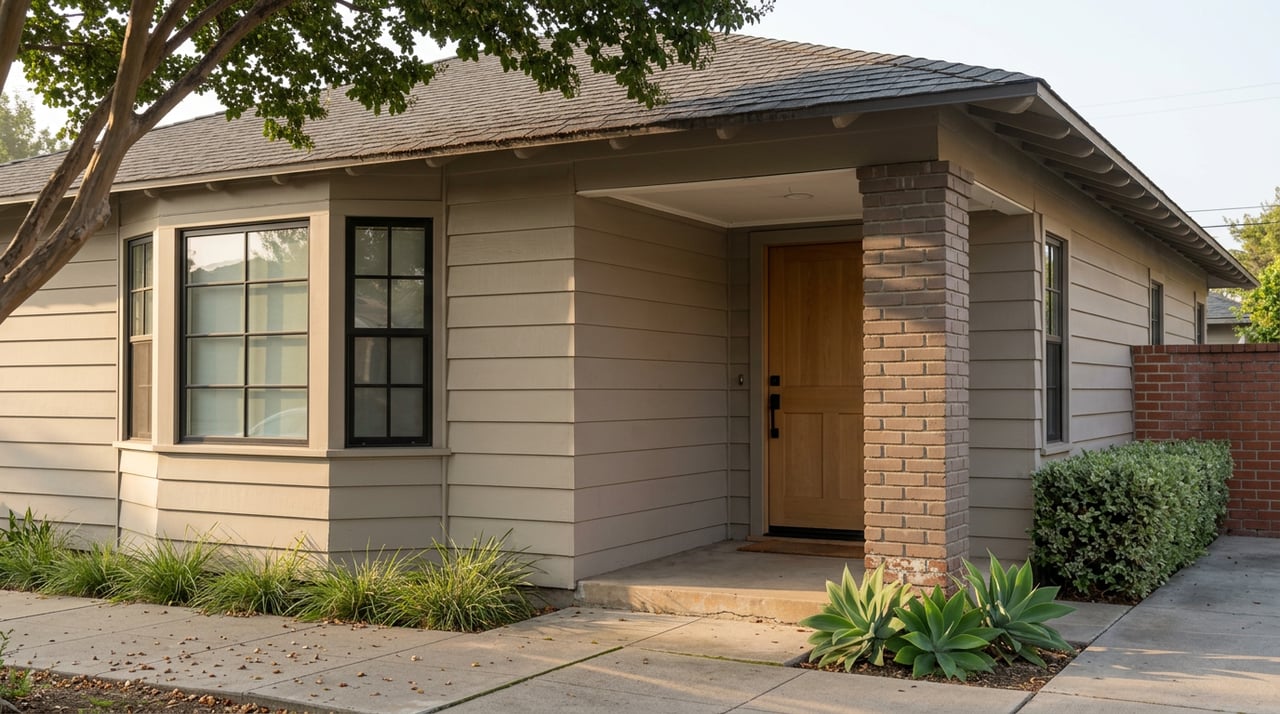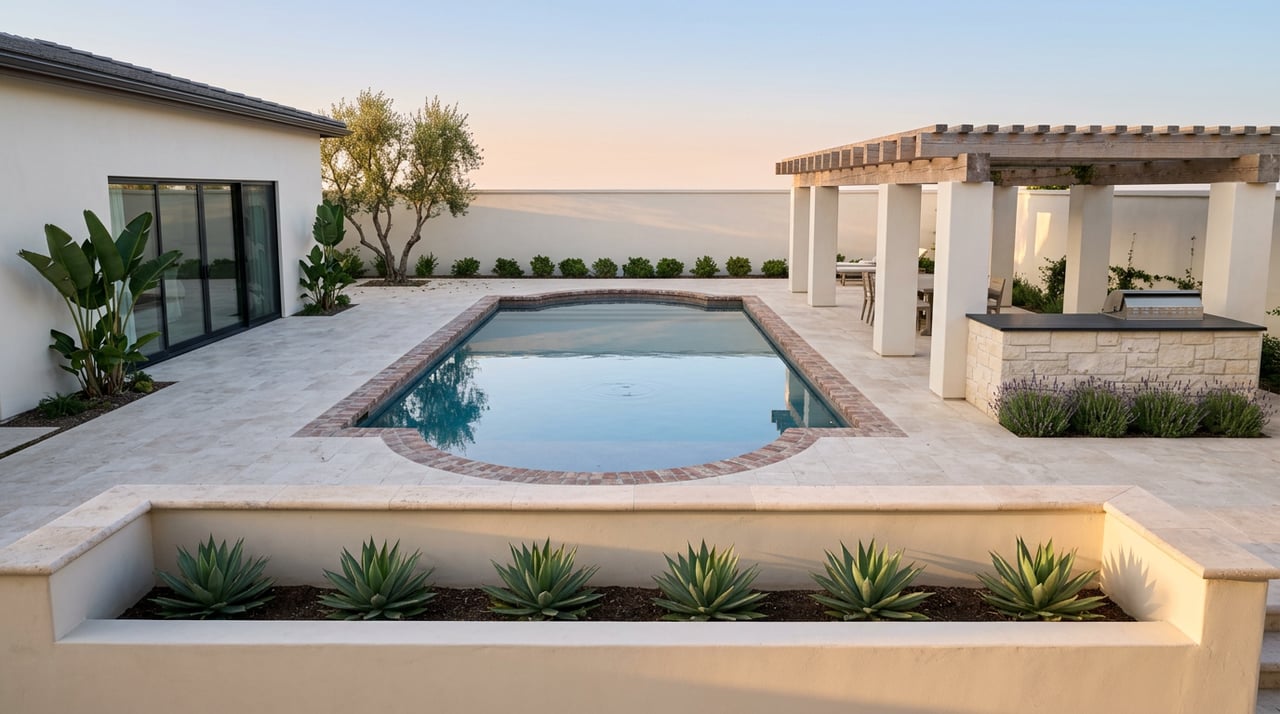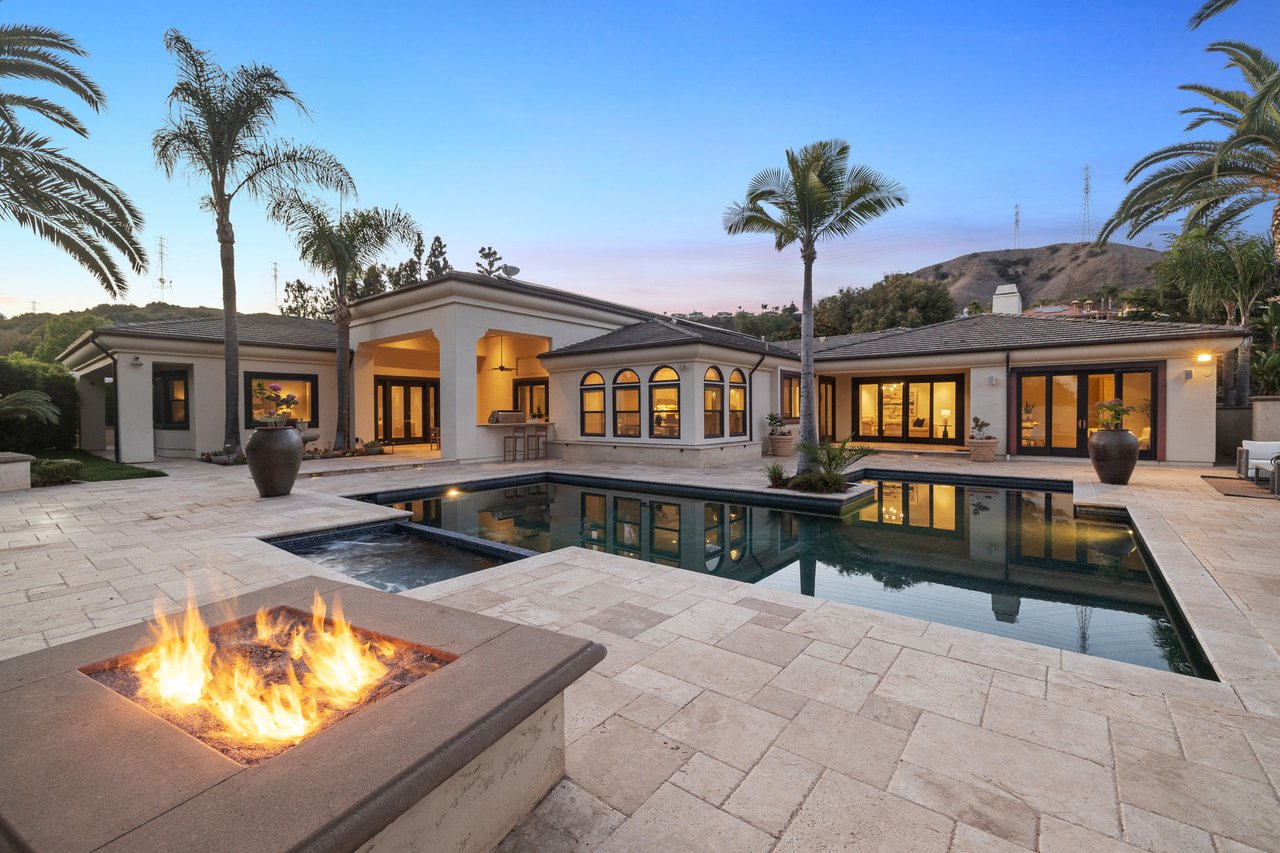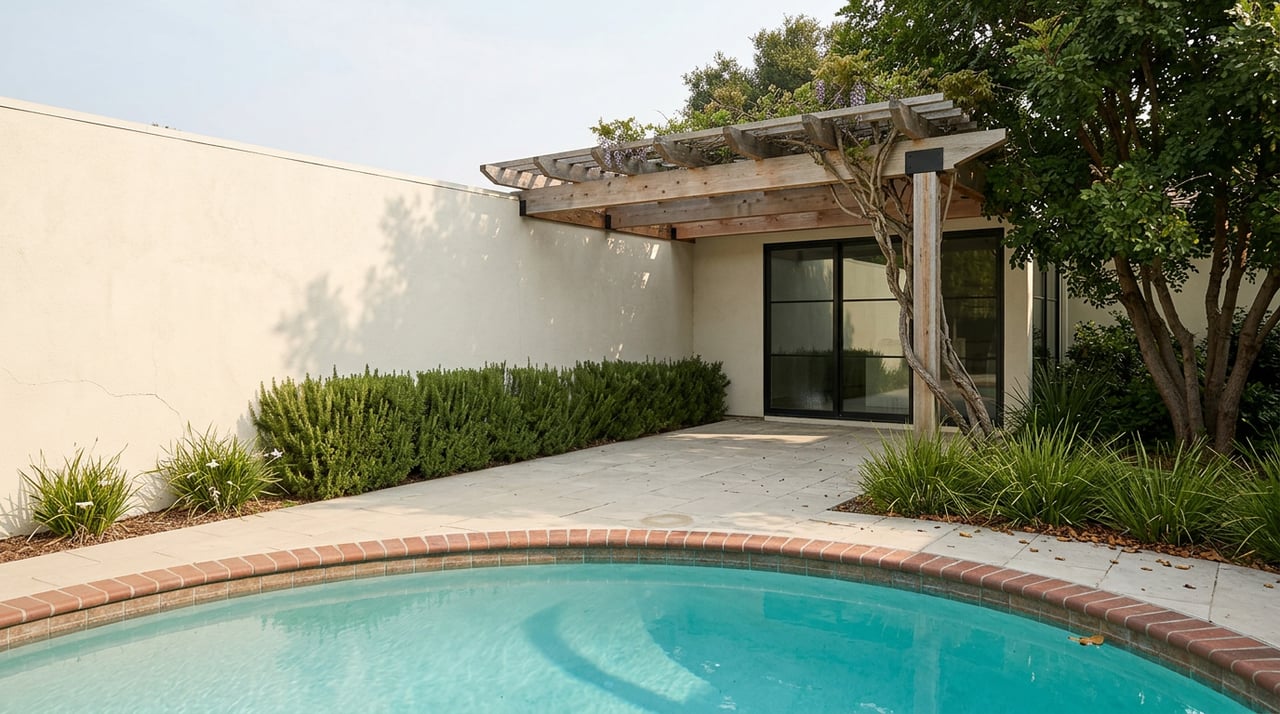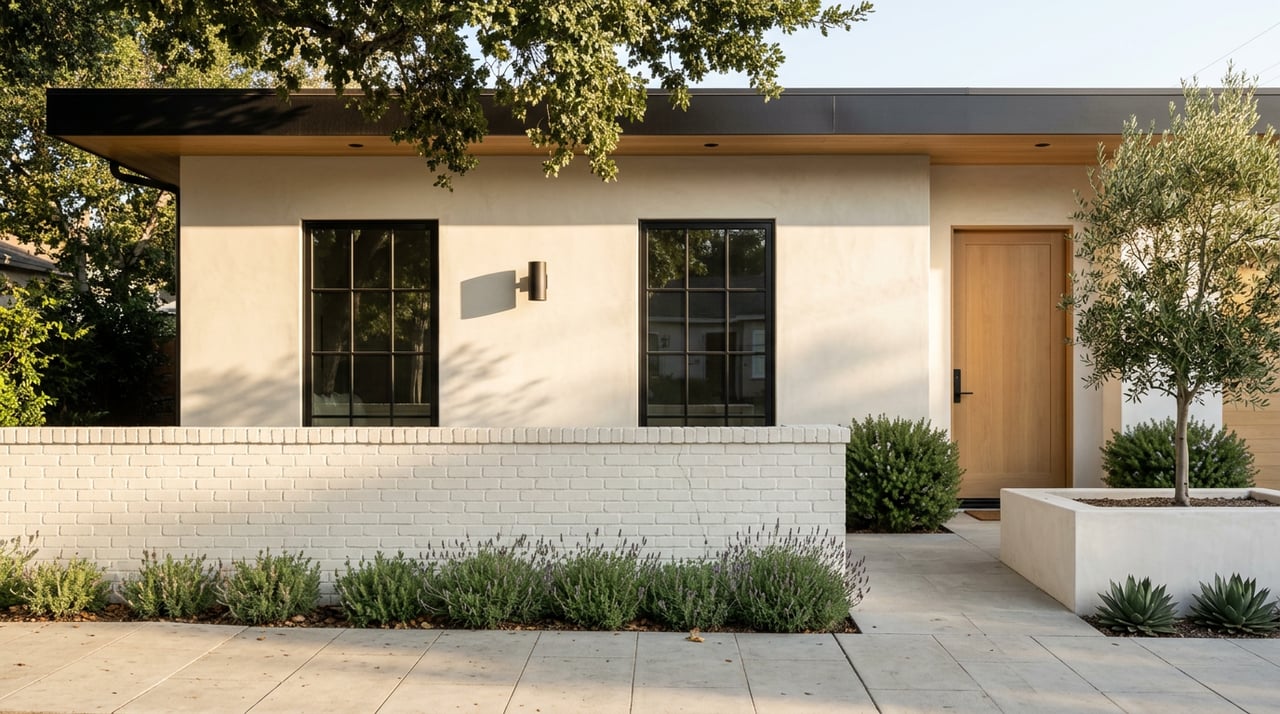
If you are thinking about buying in Tustin Ranch, you are not just choosing a home. You are choosing a place within a larger master-planned community where lot position, HOA structure, and access to open space can shape both daily life and future resale. That can feel exciting, but it also means you need to look beyond square footage and finishes. This guide will help you understand how Tustin Ranch is laid out, what types of homes you will find, and what details matter most before you make an offer. Let’s dive in.
Why Tustin Ranch Stands Out
Tustin Ranch is a large master-planned village that extends north from I-5 and Jamboree Road. The community covers about 1,850 acres and includes roughly 7,650 homes, four educational institutions, two retail centers, four neighborhood parks, and one community park.
The overall plan includes a flatter southern portion, a hillier northern section, and a continuous open-space spine that connects neighborhoods. For you as a buyer, that means two homes with similar square footage can feel very different depending on where they sit within the community and how they relate to trails, parkways, and neighborhood circulation.
What You Can Expect From the Homes
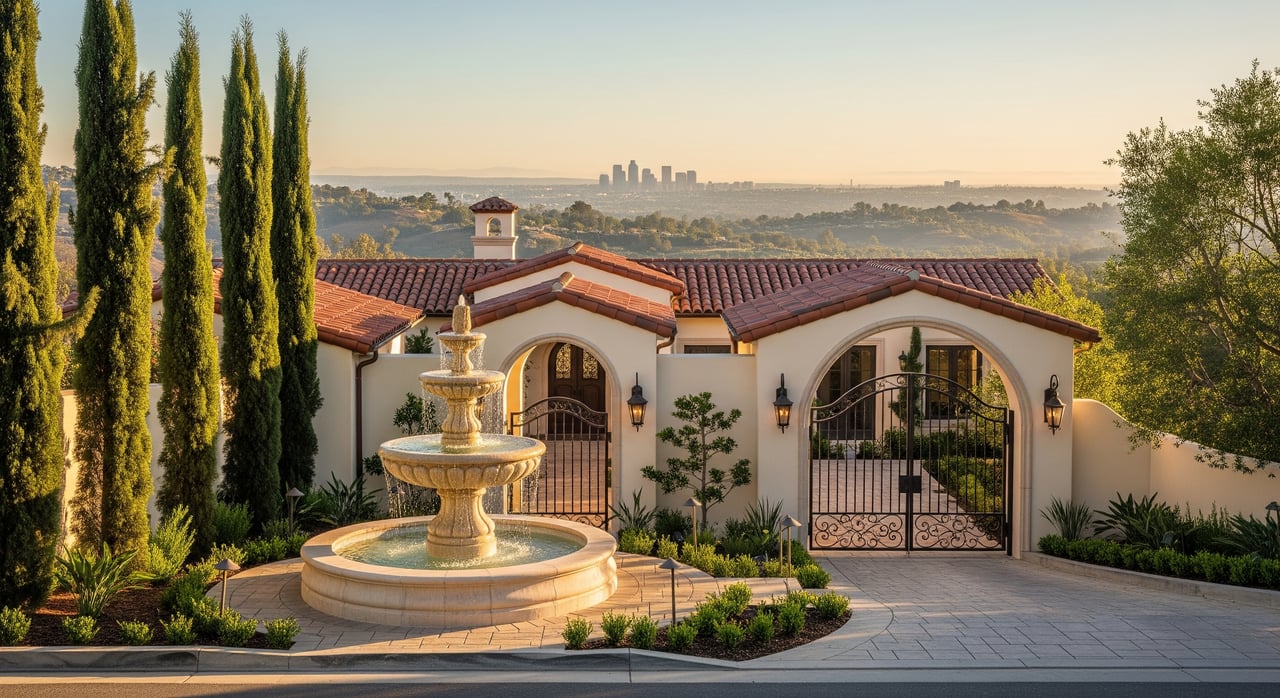
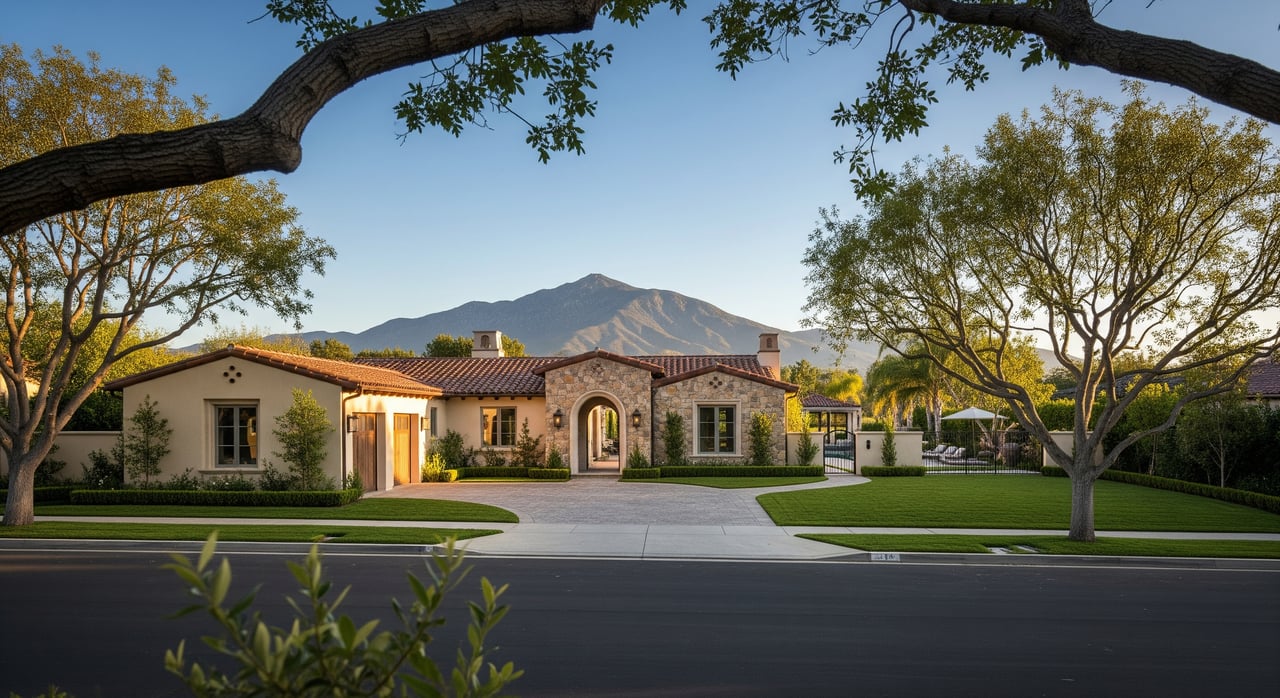
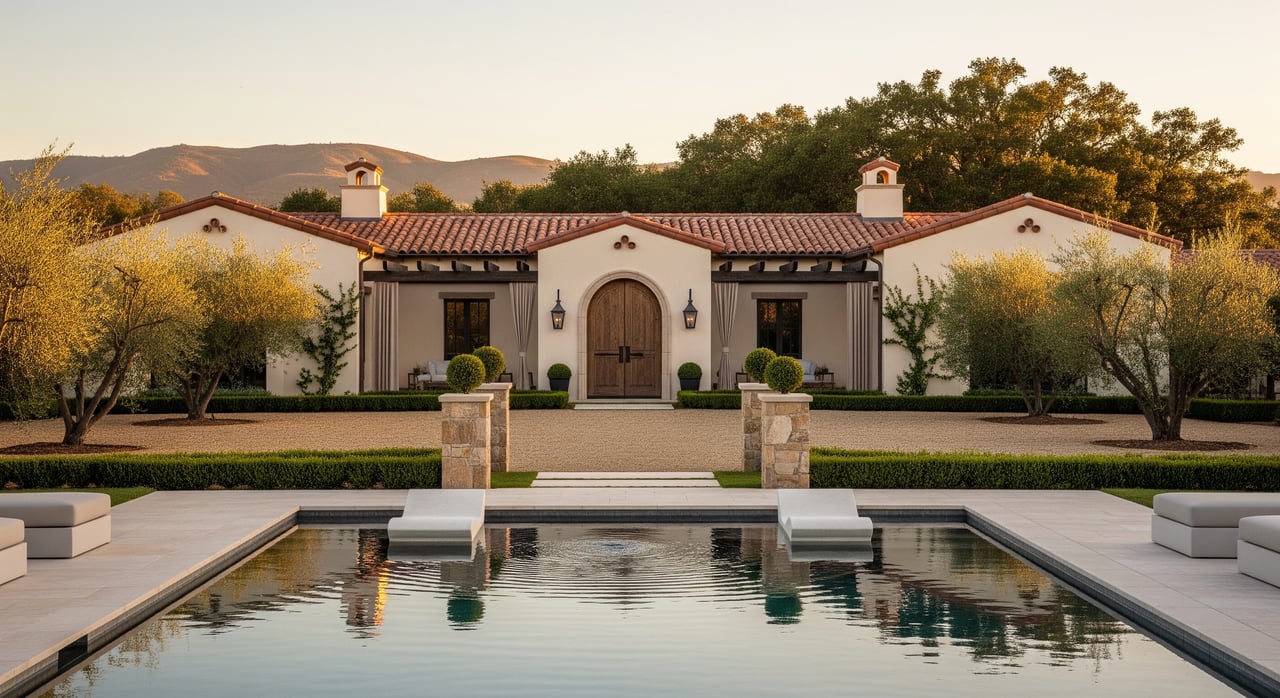
Tustin Ranch offers a mix of single-family homes and attached properties like condos and townhomes. Much of the housing stock was built primarily in the 1990s, and many homes reflect Mediterranean or Tuscan-inspired design with stucco exteriors and red-tile roofs.
That mix is part of what makes the area appealing, but it also creates a wide price range. You may see attached homes and detached homes grouped under the same neighborhood label, even though they serve different buyer needs and often trade at very different price points.
Why pricing can vary so much
Recent market snapshots show how wide that spread can be. One recent Redfin snapshot reported a median sale price of $1.406 million over the last three months ending April 2026, while Homes.com reported a 12-month median sale price of $1.173 million and a median single-family sale price of $1.9825 million. Realtor.com showed 25 active listings with a median for-sale price of $2.0 million.
Those differences do not necessarily mean the data is conflicting. They usually reflect different timeframes, listing versus sold data, and the fact that Tustin Ranch includes both attached and detached homes. The better way to evaluate value is to compare the same product type, similar lot position, and similar level of updates.
Compare Like With Like
When you tour homes in Tustin Ranch, broad neighborhood averages only tell part of the story. A remodeled detached home on a strong interior lot may perform very differently than an attached unit with original finishes, even if both are in the same master-planned area.
To make a smart comparison, focus on a few core variables:
- Property type, such as condo, townhome, or single-family
- Interior condition and update level
- Lot placement within the community
- Relationship to open space, streets, and parkways
- HOA structure and monthly ownership costs
This is especially important in a market where recent reports suggest competitive conditions. Redfin noted an average of 36 days on market in a recent three-month snapshot and reported that 39.9 percent of homes sold above list price. Other market pages showed roughly 40 days on market and a median sale-to-list ratio of 99 percent.
HOA Review Matters More Here
In many Tustin Ranch communities, buying a home also means buying into a common-interest development. That makes HOA review a major part of your due diligence, especially for attached homes and planned communities with shared amenities and maintained common areas.
Under California law, sellers in common-interest developments must provide buyers with key documents. These include governing documents, the most recent annual budget and reserve materials, current regular and special assessments, unpaid assessments and fines, unresolved violation notices, and in some cases recent board minutes and inspection reports.
What to look for in HOA documents
The annual budget report can tell you a lot. It must disclose reserves, reserve funding plans, anticipated special assessments, loans, insurance summaries, and FHA or VA status for condo projects.
This matters because underfunded reserves can create real risk. The California Department of Real Estate warns that when reserves are inadequate, an HOA may struggle to maintain common areas and may need special assessments that can be large enough to affect value and saleability.
Community rules may be more detailed than you expect
In Tustin Ranch, some associations have very specific rules. Community materials for Sycamore Glen, for example, show architectural approval requirements for items such as garage doors, windows, and front doors. Rules may also cover parking, pets, rentals, fines, and shared amenity use.
If you plan to personalize a home after closing, this is an important step. Before you assume you can replace windows, change an entry door, or adjust exterior details, make sure you understand what requires association approval.
Do Not Overlook the Tustin Ranch Assessment
One detail many buyers miss at first is the city-managed Tustin Landscape and Lighting District. This district was formed in 1985 and levies annual special assessments on property tax bills for certain maintenance within Tustin Ranch.
According to the City of Tustin, the district helps maintain landscaping and lighting in areas such as parkways, trails, slopes, and street lighting. It does not cover public parks or landscaped median islands. The city has also stated that service levels have been reduced in recent years as costs have risen, and a reassessment effort was proposed in 2025.
Why this affects your real monthly cost
Your carrying cost may include more than a mortgage payment and HOA dues. If a property falls within the district benefit area, you may also see a separate city assessment on the tax bill.
That is why it makes sense to verify the property tax bill early in the process. It is a simple step, but it can help you build a more accurate ownership budget before you move forward.
Lifestyle Features That Support Long-Term Appeal
Tustin Ranch remains a high-interest area partly because the master plan offers more than housing. Buyers are often drawn to the combination of community layout, recreational options, and nearby services.
Tustin Ranch Golf Club describes itself as a Ted Robinson-designed course and offers golf instruction, dining, patio seating, and event space. Peters Canyon Regional Park adds another layer of outdoor access with trails for hikers, mountain bikers, and equestrians.
City parks also add practical everyday value. Citrus Ranch Park and Veterans Sports Park include amenities such as playgrounds, picnic areas, pickleball, tennis, baseball, soccer, basketball, turf areas, and skate features.
Schools and Location Context
For buyers who want to understand the local school framework, Tustin Unified School District states that its boundaries include the City of Tustin, the City of Irvine, and some unincorporated areas. Tustin Ranch Elementary is located within the neighborhood.
According to the school page, Tustin Ranch Elementary opened in 1995 and serves about 550 students. As with any home search, you should confirm attendance and enrollment details directly with the district if school assignment is important to your decision.
A Smart Buyer Checklist for Tustin Ranch
As you narrow your search, it helps to stay disciplined and ask the same questions on every property. That creates a cleaner comparison and helps you spot hidden costs or future limitations.
Use this checklist as a starting point:
- Is the property part of a master HOA, a sub-association, or both?
- What do the current HOA budget, reserve study, and latest minutes say about upcoming repairs or assessments?
- Does the property tax bill include the Tustin Landscape and Lighting District assessment?
- What changes require architectural approval?
- How do the finishes and updates compare with recent closed sales in the same product type?
How to Buy With More Confidence
Buying in Tustin Ranch can be a great move, but the smartest buyers look at the full picture. The master plan, home type, HOA health, city assessments, and amenity access all play a role in value.
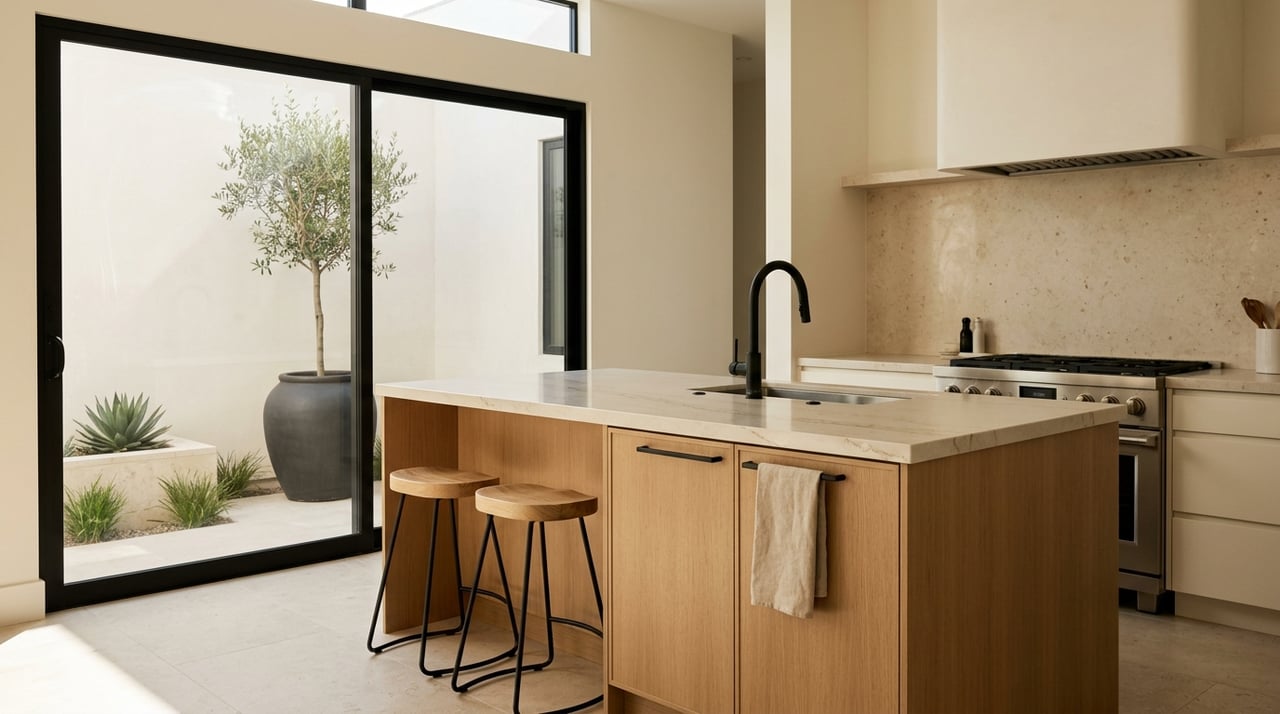
If you want to buy well here, focus on details that affect both your experience and your resale position later. A polished kitchen matters, but so do reserves, rules, lot placement, and total monthly cost.
When you want guidance that goes beyond the listing sheet, working with someone who can evaluate both market positioning and design potential can make a real difference. If you are considering a move in Tustin Ranch, connect with Cindi Karamzadeh for a design-forward market consultation.
FAQs
What types of homes are available in Tustin Ranch master-planned communities?
- Tustin Ranch includes single-family homes, condos, and townhomes, with much of the housing stock built in the 1990s and often featuring Mediterranean or Tuscan-style design elements.
What should buyers review in Tustin Ranch HOA documents?
- Buyers should review governing documents, the annual budget, reserve information, current and special assessments, unpaid balances, unresolved violations, and when available, recent board minutes and inspection reports.
Does buying in Tustin Ranch include costs beyond mortgage and HOA dues?
- Yes. Some properties may also be subject to the Tustin Landscape and Lighting District assessment, which appears on the property tax bill and should be verified early.
How competitive is the Tustin Ranch housing market for buyers?
- Recent market snapshots suggest competitive conditions, with reported average days on market around 36 to 40 days and some sources showing many homes selling close to or above list price.
Why do home prices vary so much within Tustin Ranch?
- Prices can vary because the area includes both attached and detached homes, and value is influenced by product type, update level, lot location, and overall community positioning.