Pull up a few different real estate data sites for Villa Park right now and you will get three different stories about the same city. One says home values fell nearly two percent over the past year. Another, using Redfin's latest confirmed figure from December 2025, says the median sale price jumped almost twenty-seven percent year over year. A third puts the typical home value at less than half what the other two suggest. These are not rounding errors. They are symptoms of a market so small that a single closed sale can swing the headline number in either direction, and understanding why matters more than any individual figure if you are buying, selling, or comparing Villa Park to its neighbors.
The Same City, Three Different Stories
As of August 2026, Zillow's zip-code level tool for 92861 shows an average home value of $2,341,225, up 2.7 percent over the past year. Zillow's separate city-level tool for Villa Park shows a typical home value of $2,040,233, down 1.7 percent over the same period. Those are two tools from the same company, looking at overlapping geography, disagreeing on both the number and the direction.
Redfin's closed-sales tracker, most recently confirmed for December 2025, puts the median sale price at $2.6 million, up 26.8 percent year over year. Movoto's August 2026 snapshot shows a median list price of $2.69 million, a price per square foot of $741, and homes spending a median of 39 days on the market, a 39 percent drop from a year earlier. A fourth site, Realty.com, lists a median price per square foot of $698 and an average of 46 days on market, with a headline median home value under $1.3 million, a figure so far below every other estimate that it is measuring something different entirely.
Here is the table, side by side:
| Source | Metric | Figure | As Of |
|---|---|---|---|
| Zillow (zip 92861) | Average home value | $2,341,225, up 2.7% YoY | August 2026 |
| Zillow (city tool) | Typical home value | $2,040,233, down 1.7% YoY | August 2026 |
| Redfin | Median sale price | $2.6M, up 26.8% YoY | December 2025 |
| Movoto | Median list price / days on market | $2.69M, $741/sqft, 39 days (down 39% YoY) | August 2026 |
| Realty.com | Median price per sqft | $698, 46 days average | 2026 |
None of these sources is wrong exactly. They are measuring list prices, sold prices, averages, and medians across slightly different boundaries and time windows. But the spread between them is unusually wide for a market this size, and that spread is the story.
Why One Sale Can Move the Whole City
Villa Park has roughly 2,050 total homes. The city is about 99 percent built out, with only a handful of vacant lots suitable for anything beyond low-density infill because of topography and access constraints. Earlier this year, active listings across the entire city numbered in the single digits, a pattern typical for a place with almost no vacant sub-dividable land and a housing stock that rarely turns over.
When your total transaction count in any given month is small, a median is not really an average of the market. It is closer to a description of whichever two or three houses happened to close. A five-bedroom home on Fleet Road closed in January 2026 for $2,950,000, about 2 percent below its original asking price, after 72 days on the market. That single sale, and the handful like it, carries far more weight on a monthly median in Villa Park than the same sale would in a city with hundreds of closings.
This is why the days-on-market numbers look contradictory too. One dataset from earlier in 2026 showed a median days-to-close figure of 206 days, with three out of four closed sales finishing below asking price and none closing at or above list. Movoto's August figure shows a much faster 39-day median. These are likely measuring different things, one tracking total time from list to close including escrow, the other tracking active market exposure before an accepted offer. Both can be true at once, and neither tells you what will happen with the next listing.
The Zoning Decision Behind All of This
None of this happened by accident. Villa Park became Orange County's 24th incorporated city on January 11, 1962, after citrus ranchers who had farmed the area for decades organized to prevent annexation by the neighboring city of Orange. The Villa Park Incorporation Committee, led by James Workman, argued that folding into Orange would mean higher density zoning and the loss of the estate lot sizes the ranchers had built their community around. Opponents, organized as Villa Park Against Incorporation, worried about higher taxes. Residents voted 264 to 134 in favor, and the city drew its boundaries specifically to include the large-lot ranch land its founders wanted protected.
The zoning that resulted set a minimum net lot area of 20,000 square feet, about half an acre, across most of the city. A few transitional zones near the western border with Orange allow smaller lots, down to 8,000 square feet in one section, as a compromise reached during later development disputes. But the baseline has held since 1962. There are no condominiums, townhomes, or apartment buildings anywhere within city limits. The Serrano Water District, established by those same ranching families in 1876, still supplies the city's water today.
For perspective on how much the underlying land has changed hands in value terms, the entire proposed city in 1962, all 1,800 acres of it, was appraised at approximately $2 million. Today that figure describes roughly one home.
What Half an Acre Actually Buys
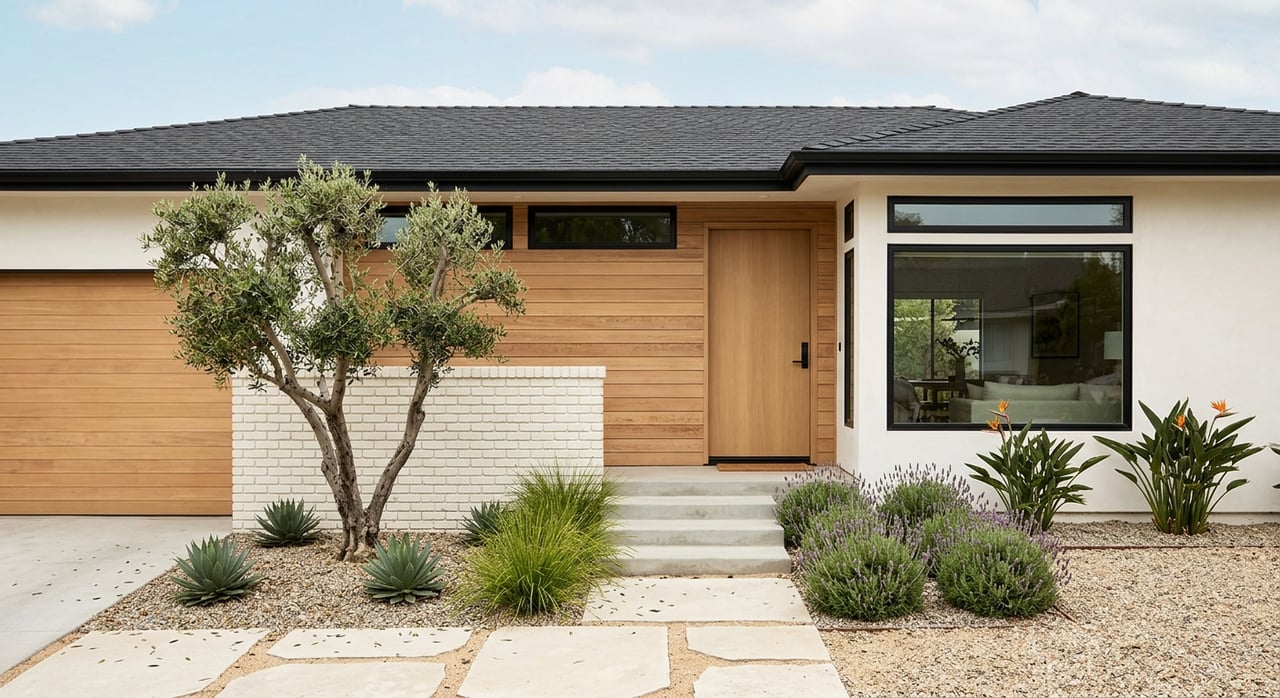
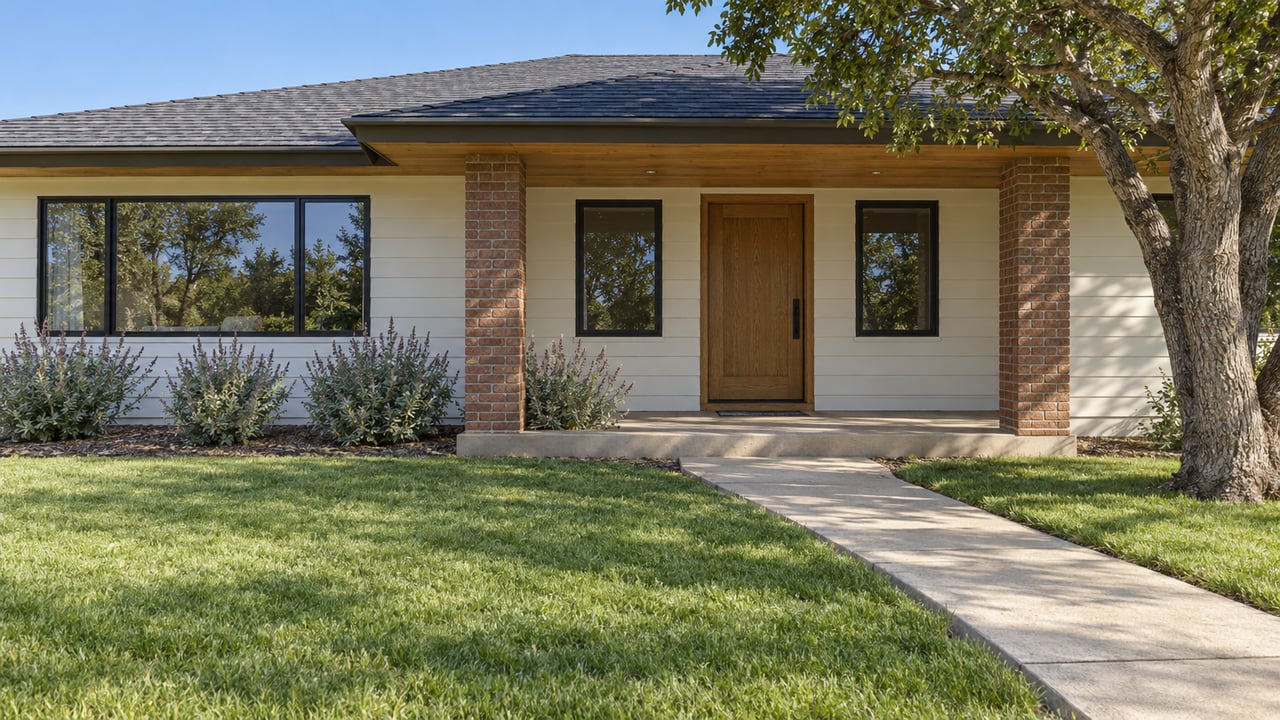
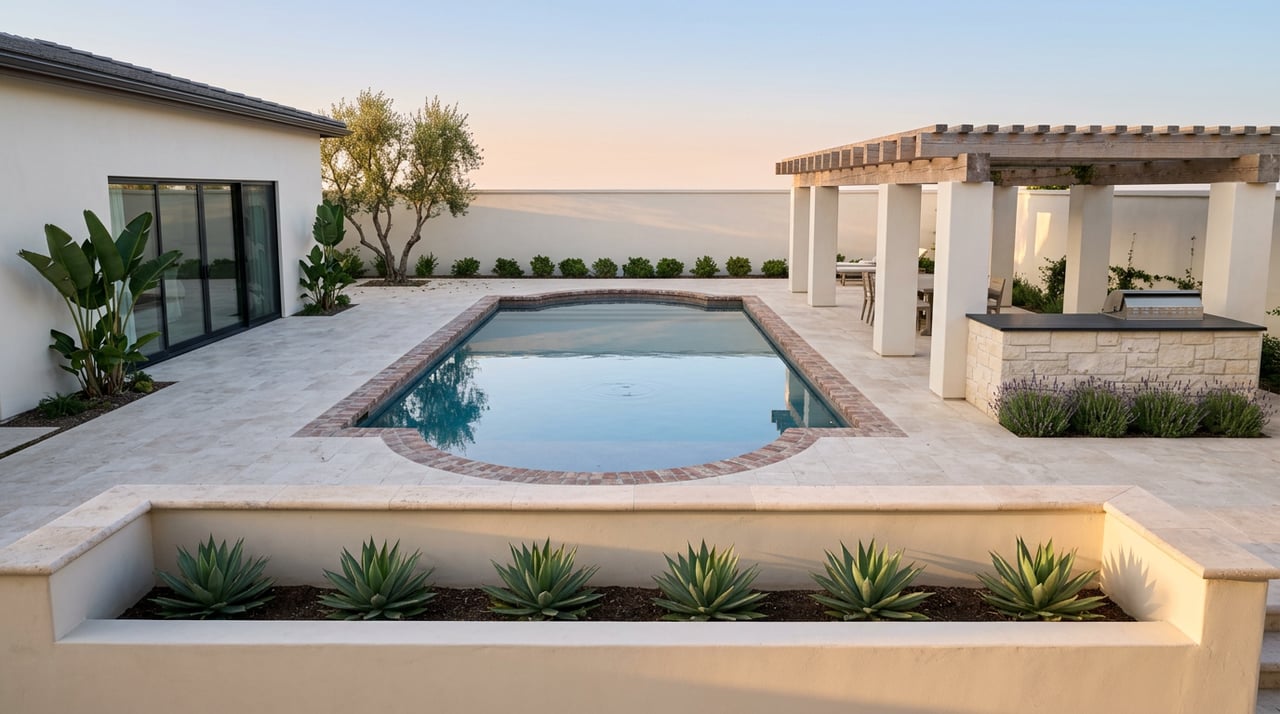
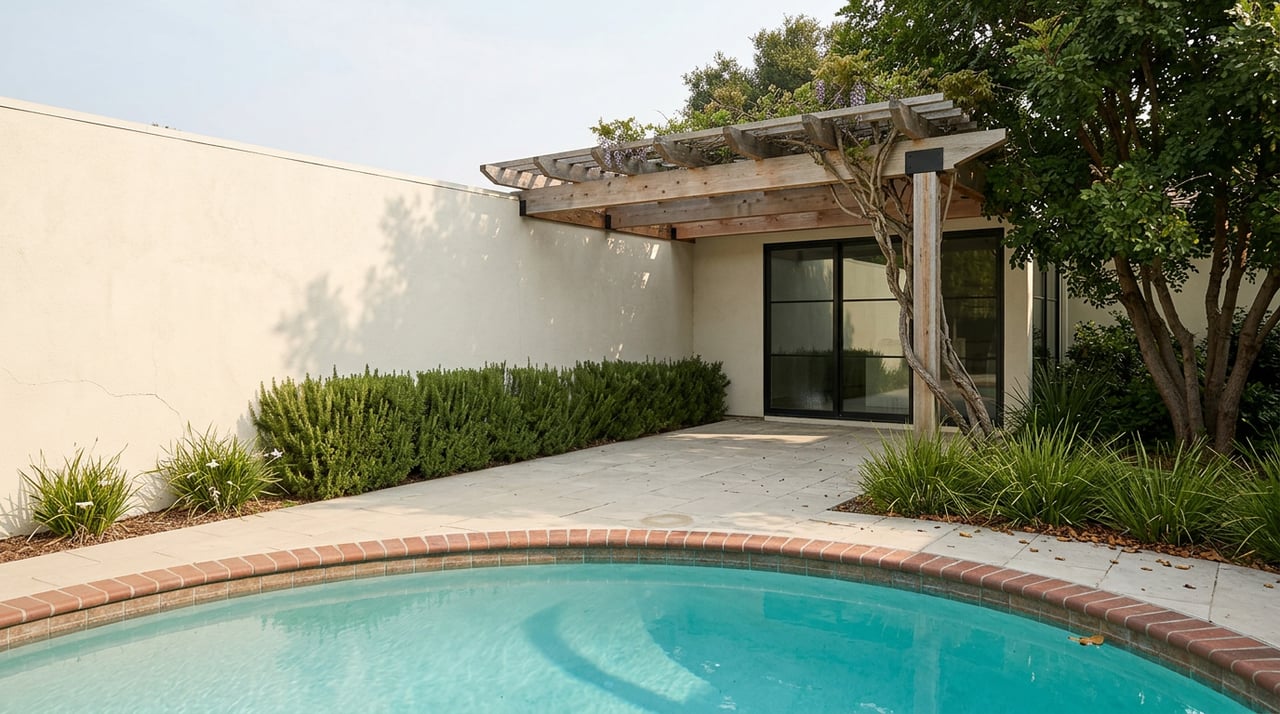
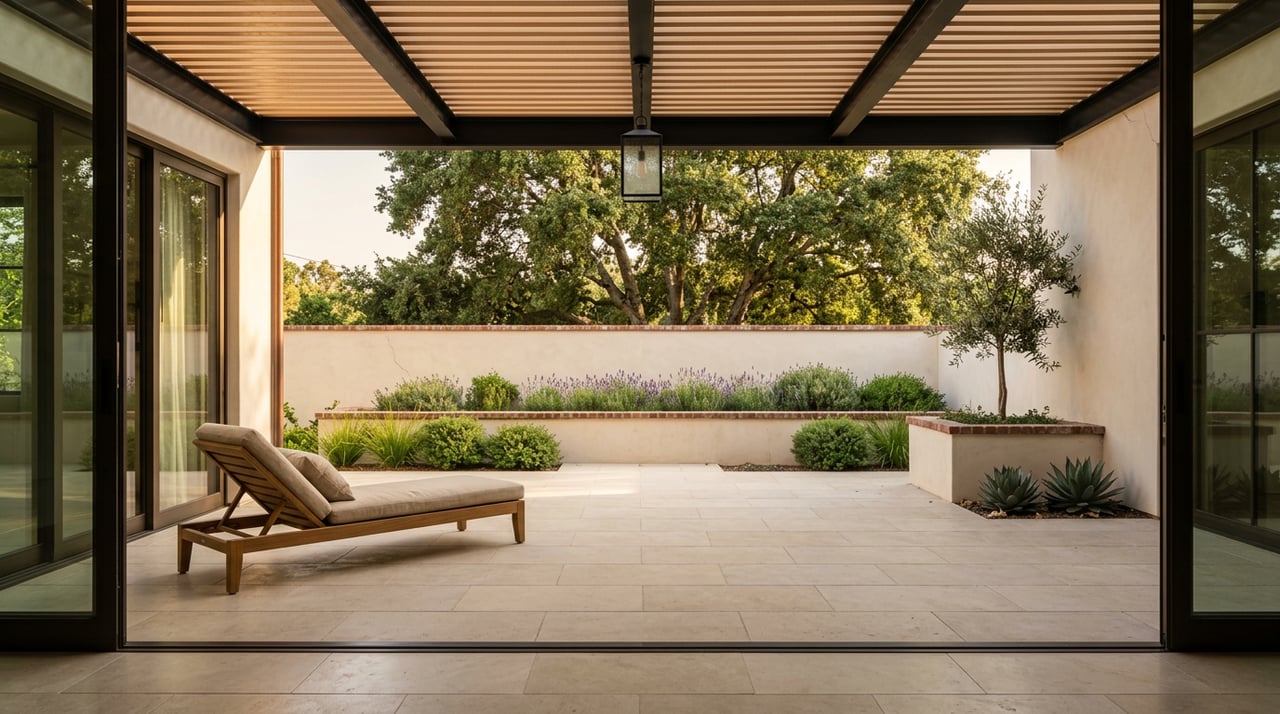
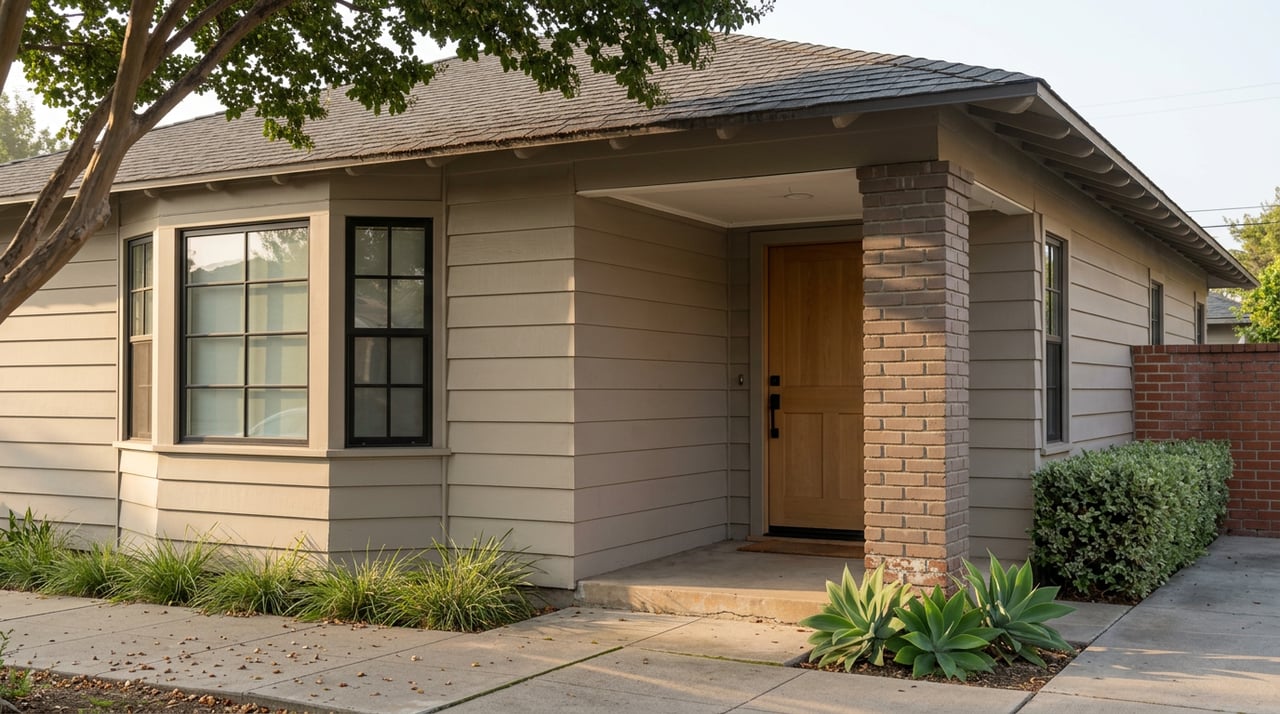
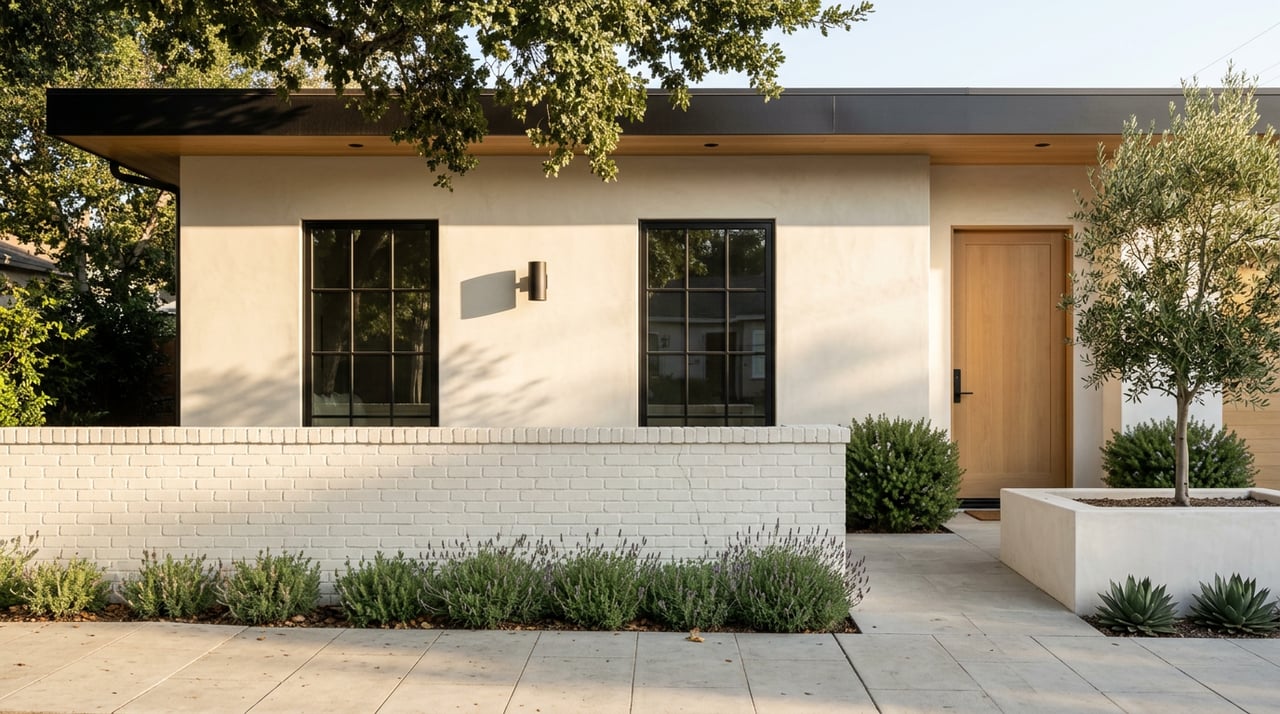
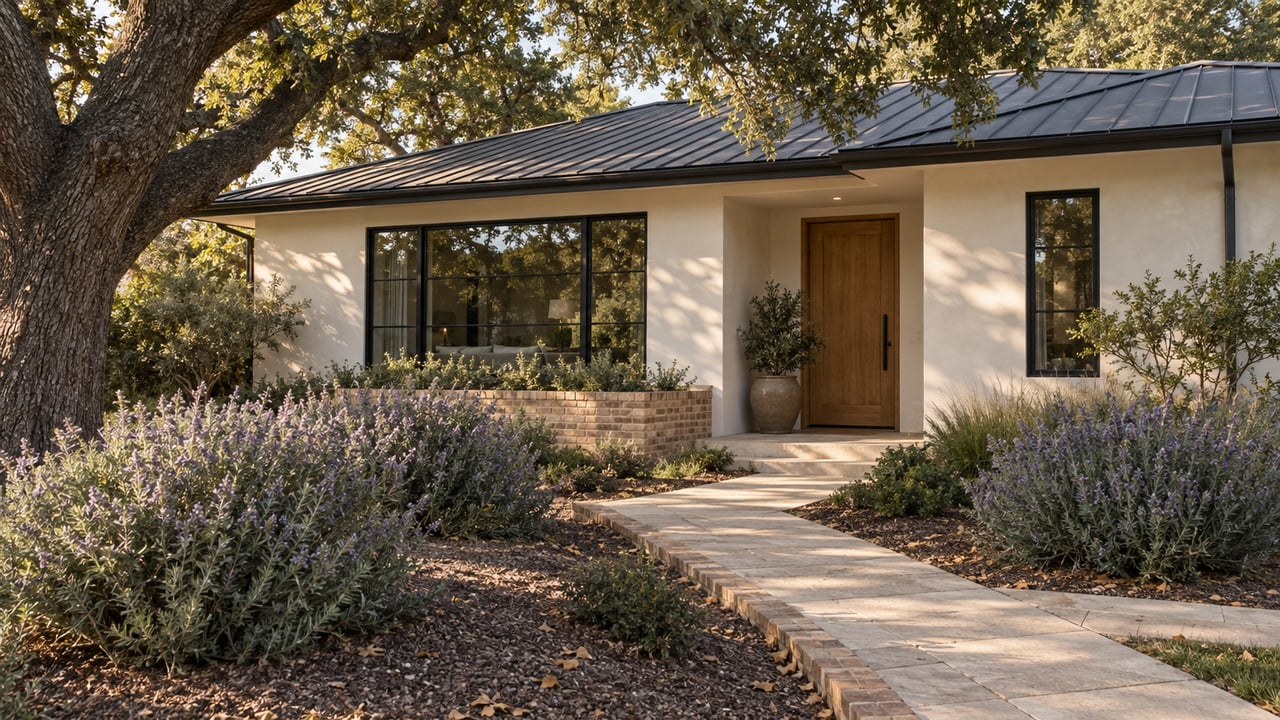
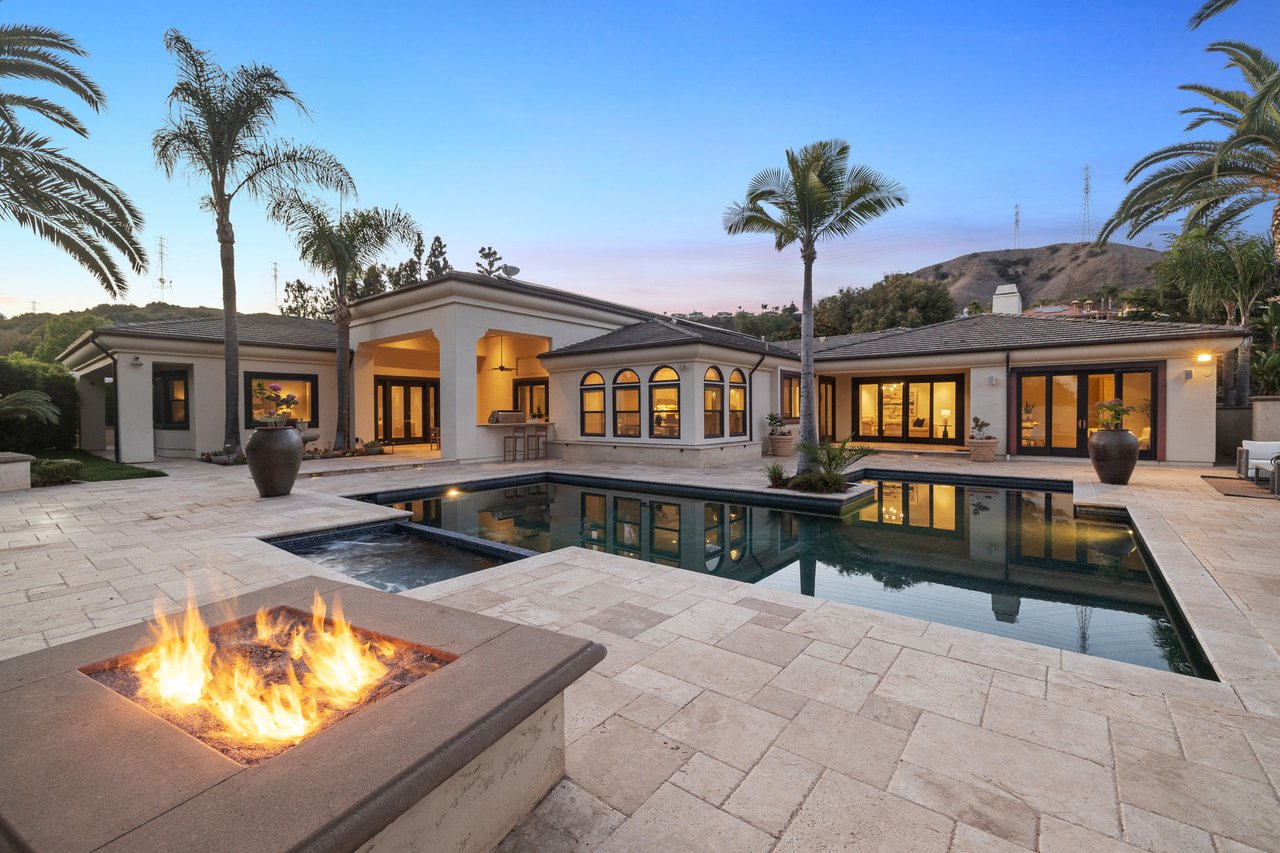
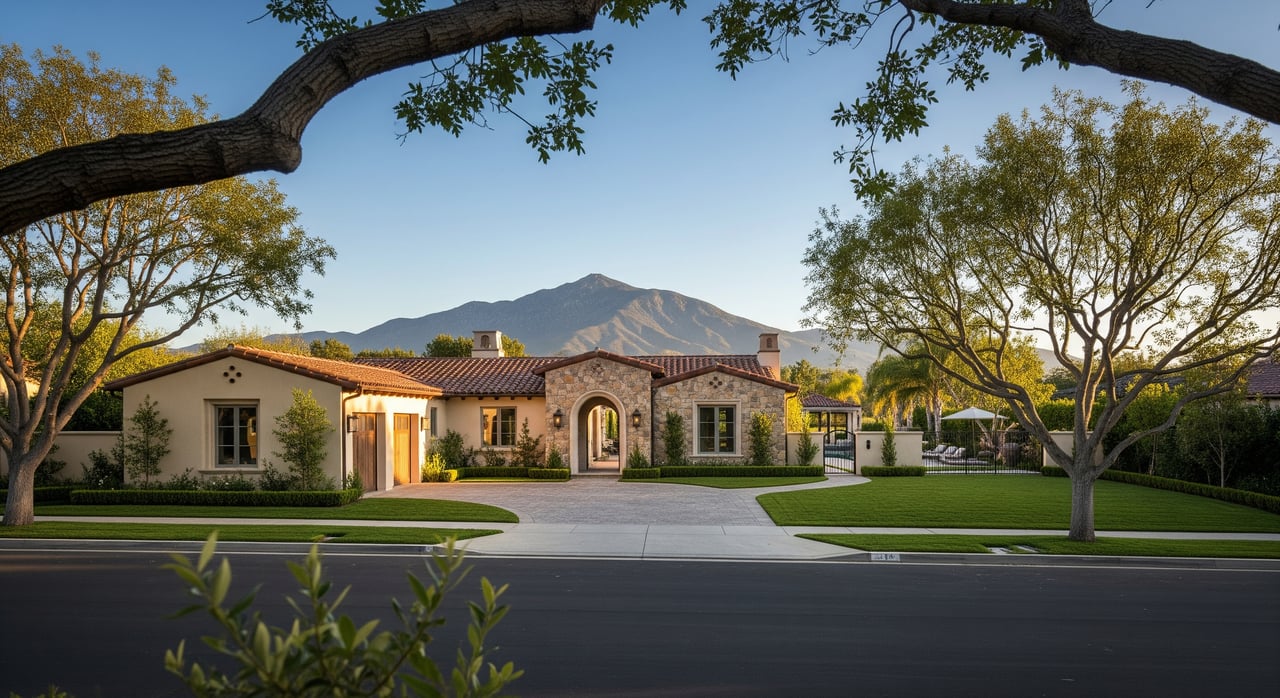
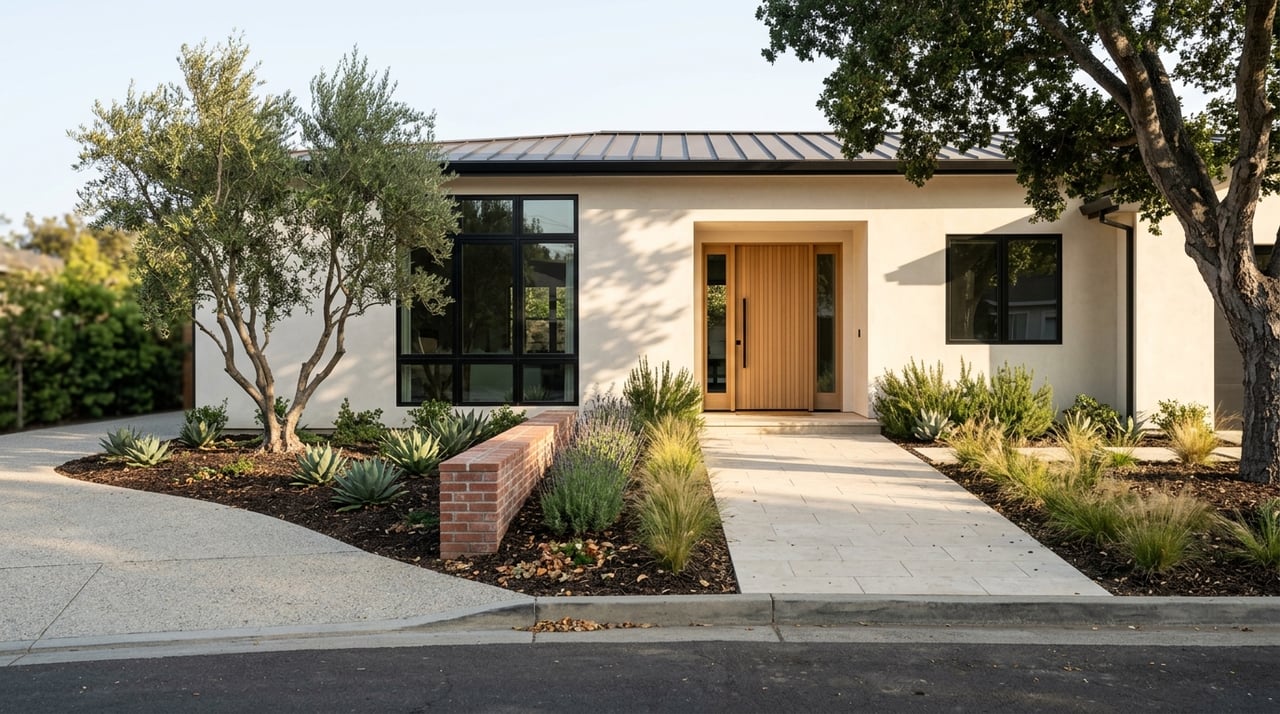
The zoning floor is the reason Villa Park's inventory stays this thin, and it is also the reason the lots themselves look different from almost anywhere else nearby. A half-acre minimum is well above what most Orange County foothill communities require. It means more separation between houses, more room for a pool or a detached structure, and a built environment that reads as rural even though the city sits only about fifteen miles from the coast and is bordered by Anaheim, Orange, and Yorba Linda.
That trade-off cuts both ways. Villa Park has one shopping center, originally zoned commercial over resident objections, with a grocery store, a handful of specialty shops, a library branch, and city hall. There is no walkable downtown beyond that single site, and driving remains the default way to get anywhere, since the city has no direct freeway access of its own. If proximity to restaurants and nightlife matters more to you than lot size, that is worth weighing honestly before comparing price tags across city lines.
What This Means for Pricing a Home Here
If you are selling in Villa Park, the thin-inventory dynamic changes how you should think about pricing from day one. In a market with dozens of active comparables, an aggressive list price gets corrected quickly by buyer feedback and competing showings. In a market with single-digit inventory, there may be no directly comparable active listing to react against, which means an overpriced home can sit for months before the market forces a correction, dragging down the eventual sale price relative to a more accurately priced original number. The pattern in the data, where a majority of recent closings finished below asking and none finished at or above list, points in exactly that direction.
For buyers, the lesson runs the other way. A median price swinging by double digits year over year does not necessarily mean the market is moving that fast. It may mean two or three unusually large or unusually modest homes closed in sequence. The number to watch is not the headline median but the trailing pattern across several months, alongside how each individual home's price per square foot compares to recent, similar closed sales rather than to the city average.
Frequently Asked Questions
Does the half-acre lot rule apply to every property in Villa Park? Most of the city sits on the 20,000-square-foot minimum, but a transitional strip along the western border with Orange allows smaller lots, down to 8,000 square feet in places, as part of a zoning compromise reached during the city's early development years.
If inventory is this thin, does that mean prices will keep rising? Not necessarily. Thin inventory means the monthly numbers are noisy in both directions, not that they are biased upward. A single large estate closing can push the median up one month and a smaller, more modest sale can pull it back down the next, independent of any underlying trend in buyer demand.
If you are weighing a move into Villa Park, or trying to price a listing accurately in a market where the comparables are this scarce, the headline number from any one site is not enough to build a strategy on. Real Estate by Cindi reads the local zoning history, the actual closed comparables, and the design details that separate a fast sale from a stalled one. Request a design-forward market consultation before you set a number.
This article is general information, not legal, tax or financial advice. Consult a qualified professional about your situation.